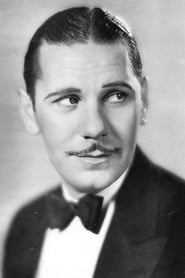
Brooks Benedict
Actor
Born: June 6, 1896 in Omaha, Nebraska, USA Died: January 16, 1968 Active: 1925-1945
Films
6 films
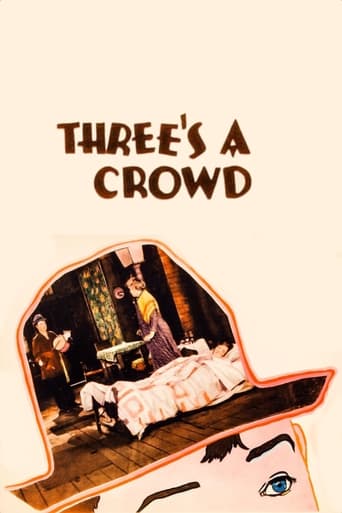
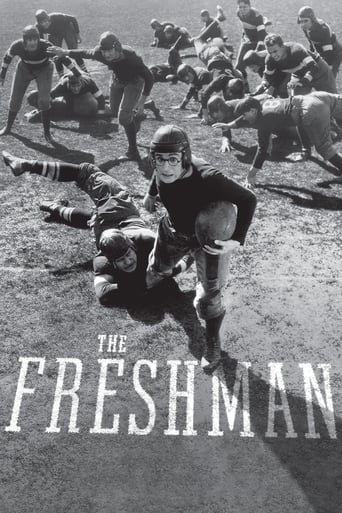
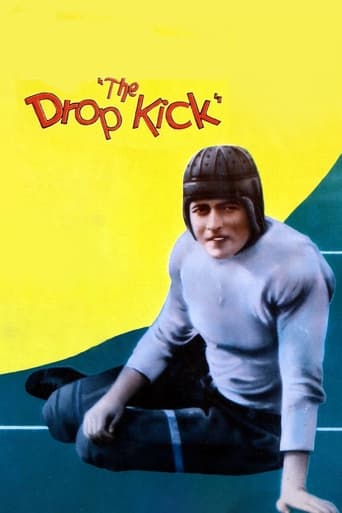
About Brooks Benedict
Prolific American character actor who became a familiar face in silent film comedies during the 1920s, particularly through his frequent collaborations with comedy legend Harold Lloyd. Born in Nebraska in 1896, Benedict developed a niche playing stuffy authority figures, antagonists, and comic relief characters who often served as perfect foils to the leading comedians. His career peaked during the silent era, where he appeared in dozens of films, most notably in Harold Lloyd's productions where his distinctive appearance and timing made him an invaluable supporting player. Beyond his work with Lloyd, Benedict also appeared in films starring other comedy greats like Harry Langdon and Harold Lloyd's contemporary Buster Keaton. As the transition to sound began in the late 1920s, Benedict's career gradually diminished, though he continued to appear in smaller roles throughout the 1930s and 1940s. His contributions to silent comedy, while often uncredited, helped shape the visual language of American film comedy during its golden age.
The Craft
On Screen
Specialized in playing authority figures, antagonists, and comic relief characters with a distinctive deadpan expression and precise timing. Benedict excelled at creating memorable characters through physical comedy and facial expressions, often serving as the perfect straight man to leading comedians. His ability to convey both menace and comedy through subtle gestures and expressions made him a valuable supporting player in silent comedies.
Milestones
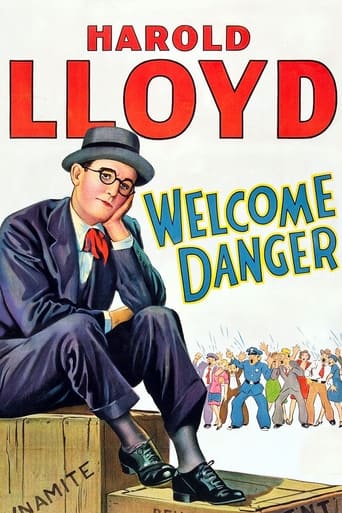
- Regular supporting actor in Harold Lloyd films
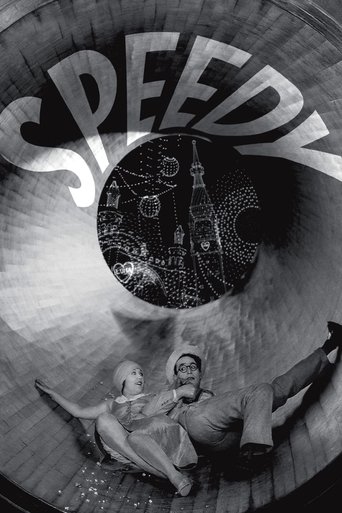
- Appeared in classic silent comedies including The Freshman and Speedy
- Worked with major comedy stars of the silent era
- Transitioned successfully from silent to sound films in smaller roles
- Appeared in over 100 films during his career
Best Known For
Iconic Roles
Must-See Films
Accolades
Special Recognition
- Contributor to the Golden Age of Silent Comedy
Working Relationships
Worked Often With
Studios
Why They Matter
Impact on Culture
Brooks Benedict played a crucial role in the development of American silent comedy by providing reliable, memorable supporting performances that enhanced the work of major comedy stars. His ability to create distinct character types through physical comedy and expression helped establish the visual language of silent film comedy. While never a leading man, his consistent presence in dozens of classic films contributed to the overall quality and effectiveness of the golden age of silent comedy. Benedict's work exemplifies how character actors were essential to the success of silent films, creating the world in which the stars could shine.
Lasting Legacy
Brooks Benedict's legacy lies in his contributions to some of the most beloved silent comedies ever made. Though largely forgotten by general audiences today, film historians and silent cinema enthusiasts recognize him as a reliable and talented character actor who elevated every film he appeared in. His performances in Harold Lloyd's classics, particularly The Freshman and Speedy, continue to be studied and appreciated for their comic timing and character work. Benedict represents the legion of skilled supporting actors who were essential to Hollywood's golden age but rarely received the recognition they deserved.
Who They Inspired
While not a major star who directly influenced other performers, Benedict's work as a character actor influenced how supporting roles in comedies were developed. His ability to create memorable, distinct characters with limited screen time demonstrated the importance of well-crafted supporting performances in ensemble comedy. Contemporary character actors in comedy films continue to benefit from the techniques and approaches that performers like Benedict helped establish during the silent era.
Off Screen
Brooks Benedict maintained a relatively private personal life away from the Hollywood spotlight. He married actress and fellow silent film performer Martha Sleeper in 1930, though the marriage ended in divorce. Unlike many of his contemporaries, Benedict successfully transitioned to a quieter life outside of acting as his film career diminished in the late 1930s. He spent his later years in Los Angeles, where he passed away in 1968 at the age of 71.
Education
Limited information available about his educational background
Family
- Martha Sleeper (1930-1934)
Did You Know?
- Appeared in over 100 films during his 20-year career
- Was a regular member of Harold Lloyd's stock company of actors
- Often played the same type of character - stuffy, pompous authority figures
- Successfully made the transition from silent films to talkies
- His distinctive appearance included a prominent mustache in many roles
- Worked with virtually every major silent comedy star of his era
- Often without on-screen billing in his later film appearances
- Was particularly effective at physical comedy despite his slender build
- His characters frequently served as antagonists to Harold Lloyd's earnest protagonists
- Continued acting in small roles well into the sound era
In Their Own Words
As a character actor, Benedict rarely delivered memorable lines, instead relying on physical comedy and expressions to create his characters. His performances were primarily visual, as was typical of the silent film era where actors conveyed emotion and character through gesture and facial expression rather than dialogue.
Frequently Asked Questions
Who was Brooks Benedict?
American character with credits in this catalog.
What films is Brooks Benedict best known for?
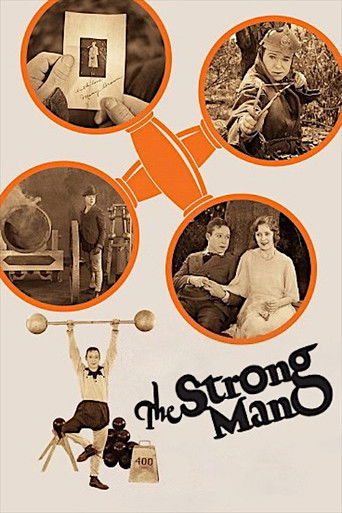
Titles linked here include The Freshman (1925), The Strong Man (1926).
When was Brooks Benedict born and when did he die?
Born June 6, 1896; died January 16, 1968.
What awards did Brooks Benedict win?
Brooks Benedict did not receive major awards or nominations during his career, as was common for character actors of his era. His recognition comes from his contributions to classic silent comedies.
What was Brooks Benedict's acting style?
Benedict specialized in physical comedy and character acting, using deadpan expressions and precise timing to create memorable authority figures and antagonists. He excelled at visual storytelling through gestures and facial expressions typical of silent film performance.
Did Brooks Benedict appear in sound films?
Yes, Benedict successfully transitioned to sound films, though in smaller roles. He continued acting through the 1930s and 1940s, appearing in both dramatic and comedic films as the industry evolved.
How did Brooks Benedict contribute to silent comedy?
Benedict provided essential supporting performances that enhanced the work of major comedy stars. His ability to create distinct character types helped establish the visual language of silent film comedy and demonstrated the importance of well-crafted supporting roles.
Was Brooks Benedict married?
Yes, Brooks Benedict was married to actress Martha Sleeper from 1930 to 1934. Both were performers in the film industry during the transition from silent to sound films.