Films
3 films
About Arthur Thalasso
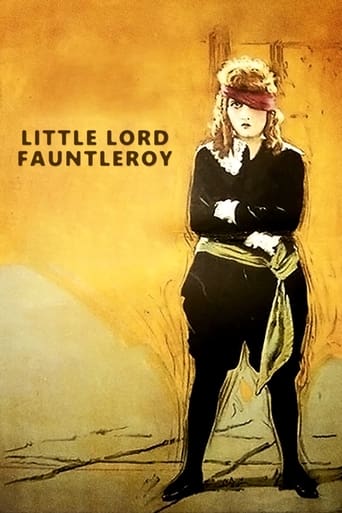
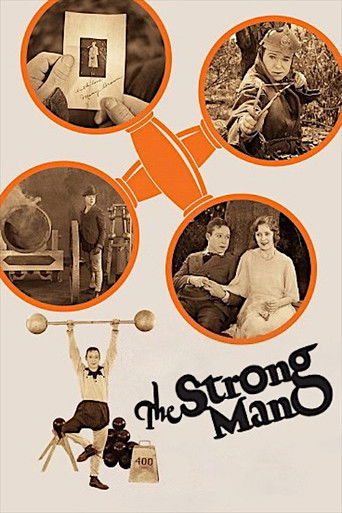
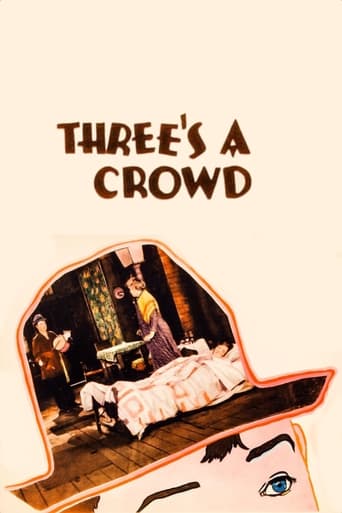
Supporting actor in silent-era American cinema: screen career appears to have been concentrated in the 1920s. He is known from surviving film credits for appearances in films such as Little Lord Fauntleroy (1921), The Strong Man (1926), and Three's a Crowd (1927), placing him in the busy period of studio-produced silent features and comedy vehicles. Like many character players of the era, he worked in smaller but important roles that helped fill out the social worlds of period dramas, comedies, and ensemble pictures. Available records about his personal life and off-screen biography are limited, and he does not appear to have become a major star or a heavily documented public figure. His filmography suggests steady employment in Hollywood during the mid-1920s, a time when studios relied on a large pool of reliable supporting actors for varied productions. Because he worked during the transition from silent film toward sound, his surviving legacy is largely preserved through film credits and historical databases rather than extensive contemporary publicity. He remains of interest to classic-film researchers as one of the many performers whose work helped shape the texture of silent and early studio-era cinema.
The Craft
On Screen
No detailed contemporary performance analysis survives for Arthur Thalasso, but his career as a silent-era supporting actor suggests a style grounded in clear physical expression, efficient screen presence, and service to ensemble scenes. Actors in his position typically relied on readable gestures, reactive expressions, and disciplined blocking to communicate character function without extensive dialogue. His roles appear to have been the kind that supported leads rather than dominated them, indicating a practical, adaptable screen manner suited to studio filmmaking.
Milestones
- Appeared in Little Lord Fauntleroy (1921), an early credited screen role associated with the classic literary adaptation tradition of silent Hollywood.
- Worked in The Strong Man (1926), a notable silent comedy feature associated with one of the era's major comic traditions.
- Appeared in Three's a Crowd (1927), placing him in the late silent-period feature-film landscape.
- Built a screen career as a supporting player during a highly productive decade for American silent cinema.
- Contributed to ensemble storytelling in films where character actors were essential to period atmosphere and narrative support.
Best Known For
Iconic Roles
Must-See Films
Why They Matter
Impact on Culture
Arthur Thalasso's cultural impact lies less in celebrity status than in his participation in the functioning of silent-era Hollywood as a working character actor. Performers like him were essential to the industrial system of early American cinema, helping create believable worlds around headline stars and giving depth to adaptations, comedies, and melodramas alike. Although he did not become a marquee name, his surviving credits connect him to films that continue to be studied by historians and silent-film enthusiasts. His career is representative of the thousands of dependable players whose labor gave early film its density, rhythm, and social texture.
Lasting Legacy
Thalasso's legacy is primarily archival: his name endures through film credits, cast lists, and historical filmographies rather than through a large body of surviving publicity. For classic-cinema researchers, he is part of the essential background cast that made silent films function as coherent dramatic and comic spaces. His presence in recognized titles such as The Strong Man helps ensure that his contribution remains traceable in film history. He stands as an example of the many under-documented actors whose work survives in the films themselves even when detailed personal records do not.
Who They Inspired
There is no evidence that Arthur Thalasso exerted a documented direct influence on later actors or directors in the way major stars did. His influence is better understood collectively, through the tradition of reliable supporting performers in studio-era filmmaking. By fulfilling character parts with professionalism, actors like Thalasso helped establish the ensemble conventions that later Hollywood continued to rely on. His work reflects the broader influence of silent-era acting discipline on the craft of screen performance.
Off Screen
Little reliable biographical information about Arthur Thalasso's personal life is readily available in standard film references. No widely documented marriages, children, or family background could be verified from the available record. He seems to have maintained a low public profile, which was not unusual for supporting players of the silent era whose careers were documented mainly through studio credits and trade listings. As a result, his off-screen life remains largely obscure to modern researchers.
Did You Know?
- Arthur Thalasso is remembered primarily through film credits rather than extensive publicity or biographical coverage.
- His known screen activity falls entirely within the silent-film era.
- He appeared in both literary adaptation material and comedy features, suggesting versatility as a supporting player.
- The surviving record of his career is brief, which is common for many working actors of the 1920s.
- His appearances in late-1920s films place him near the end of the silent era before the industry-wide shift to sound.
- He is an example of the many background and supporting performers whose names are preserved in old cast lists even when their personal histories are obscure.
- His credited films connect him to significant trends in early Hollywood, including adaptations, star-driven comedy, and ensemble storytelling.
Frequently Asked Questions
Who was Arthur Thalasso?
Supporting with credits in this catalog. He is best remembered today through his roles in films such as Little Lord Fauntleroy, The Strong Man, and Three's a Crowd.
What films is Arthur Thalasso best known for?
Titles linked here include Little Lord Fauntleroy (1921), The Strong Man (1926).
When was Arthur Thalasso born and when did he die?
His birth and death dates are not readily verified in the available classic-film record. The surviving documentation focuses mainly on his film credits rather than detailed biographical data.
What awards did Arthur Thalasso win?
No verified awards or major nominations are known for Arthur Thalasso. As with many supporting actors of the silent era, his recognition appears to have come through employment in studio films rather than formal awards.
What was Arthur Thalasso's acting style?
A detailed contemporary analysis of his style does not survive, but as a silent-era supporting actor he likely relied on clear physical expression, readable gestures, and efficient ensemble playing. His work would have been shaped by the visual demands of silent cinema and the needs of studio-era storytelling.
What is Arthur Thalasso's legacy in film history?
His legacy lies in the archival record of silent-era Hollywood, where supporting actors were essential to the success of every production. While not a major star, he contributed to films that remain of interest to historians and fans of classic cinema.