Douglas Haig
Actor
Born: March 9, 1910 in Denver, Colorado, USA Died: February 1, 1971 Active: 1926-1929
Films
2 films
About Douglas Haig
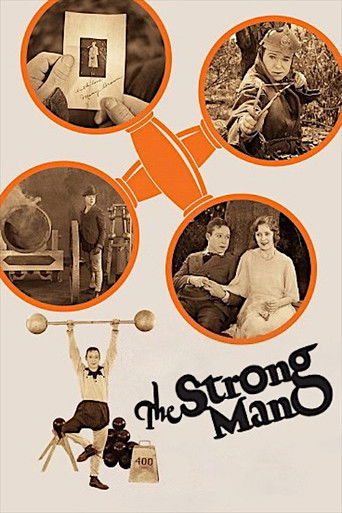
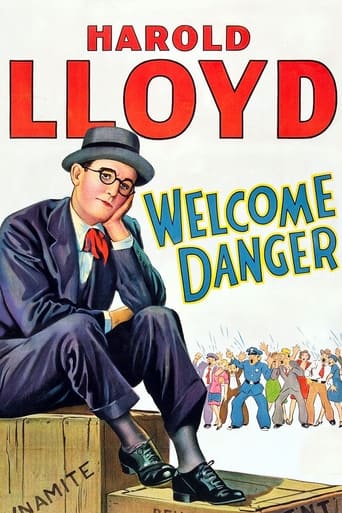
American child actor who rose to prominence during the final years of the silent era and the transition to sound cinema. Born in 1910, he began his film career as a teenager and quickly established himself as a reliable juvenile performer capable of holding his own alongside established adult stars. His most notable work came in 1926 with Harry Langdon's comedy classic 'The Strong Man,' directed by a young Frank Capra, where he demonstrated remarkable screen presence and natural acting ability that set him apart from many child performers of the era. In 1929, he appeared in Harold Lloyd's 'Welcome Danger,' one of the comedian's early ventures into sound filmmaking, showcasing his adaptability to the new technical demands of talking pictures. Haig's career, though brief, spanned transformative periods in cinema history, making him a valuable witness to Hollywood's evolution from silent spectacle to sound storytelling. Like many juvenile actors of his generation, his film career diminished as he entered adulthood, and he eventually left the entertainment industry entirely. His performances remain important examples of child acting during cinema's most revolutionary decade.
The Craft
On Screen
Natural and understated for his era, Haig avoided the exaggerated gestures and mugging common among child actors in silent films. Instead, he delivered performances that felt genuine and emotionally authentic, with a remarkable ability to convey complex emotions through subtle expressions and body language. His acting style was notably modern for its time, anticipating the more naturalistic approach that would become standard in sound cinema.
Milestones
- Starred opposite Harry Langdon in 'The Strong Man' (1926)
- Appeared in Harold Lloyd's 'Welcome Danger' (1929)
- Worked with director Frank Capra before his rise to fame
- One of the prominent child actors during the silent-to-sound transition
Best Known For
Iconic Roles
Must-See Films
Working Relationships
Worked Often With
Studios
Why They Matter
Impact on Culture
Douglas Haig represents an important but often overlooked aspect of Hollywood history - the child actors who helped define the late silent era and facilitated the transition to sound cinema. His performances in major productions demonstrated that children could contribute meaningfully to storytelling rather than serving merely as props or comic relief. His work during this critical technological transition provides valuable insight into how juvenile performers adapted to the new demands of sound filmmaking, where vocal performance became as important as visual expression. Though his career was brief, it coincided with one of cinema's most transformative periods, making his surviving films important historical documents of the era.
Lasting Legacy
Douglas Haig's legacy is preserved primarily through his surviving film work, which serves as an important record of child acting during the silent-to-sound transition. His performances continue to be studied by film historians interested in the evolution of juvenile performance techniques and the challenges faced by child actors during Hollywood's technological revolution. While not as famous as contemporaries like Jackie Coogan or Baby Peggy, Haig's work with major comedy stars ensures his place in the historical record of late silent cinema. His career trajectory - from prominent child performer to private citizen - mirrors the experience of many juvenile actors of his generation who found brief fame in Hollywood's golden age before returning to ordinary lives.
Who They Inspired
Haig's naturalistic approach to child acting influenced subsequent generations of performers, demonstrating that children could deliver subtle, nuanced performances rather than relying on the exaggerated techniques common in the silent era. His ability to work effectively with established adult stars helped pave the way for more integrated casting of children in dramatic and comedic roles. His successful transition from silent to sound films, while brief, provided a template for other child actors facing the same technological challenges in the late 1920s.
Off Screen
After his brief but notable acting career ended in the late 1920s, Douglas Haig largely disappeared from public view and entertainment industry records. Like many child actors of his era, he appears to have struggled with the transition to adult life outside the spotlight of Hollywood. He eventually found employment outside the film industry and lived a relatively private life away from the public eye. Haig passed away in 1971 at the age of 60, having spent the majority of his adult life away from the entertainment world that briefly made him a recognizable face during his youth.
Did You Know?
- Douglas Haig was approximately 16 years old when he appeared in 'The Strong Man,' making him older than most child actors of the era
- His role in 'Welcome Danger' (1929) came during Harold Lloyd's difficult and expensive transition to sound films
- He worked with director Frank Capra before Capra became one of Hollywood's most acclaimed directors
- Unlike many child stars who struggled with fame, Haig successfully transitioned to a private life away from Hollywood
- His active years covered only three years but included work with two of the biggest comedy stars of the 1920s
- The Strong Man was selected for preservation in the National Film Registry in 2007, ensuring Haig's performance survives for future generations
- Contemporary critics noted his natural acting style as unusual for child performers in silent films
Frequently Asked Questions
Who was Douglas Haig?
Screen credits include several silent films during the late 1920s, most notably working with comedy stars Harry Langdon and Harold Lloyd during Hollywood's transition from silent to sound cinema.
What films is Douglas Haig best known for?
Titles linked here include The Strong Man (1926), Welcome Danger (1929).
When was Douglas Haig born and when did he die?
Born March 9, 1910; died February 1, 1971.
What awards did Douglas Haig win?
There are no records of Douglas Haig receiving major film awards or nominations during his brief acting career in the late 1920s, which was common for supporting child actors of that era.
What was Douglas Haig's acting style?
Haig was known for his natural and understated acting style, which contrasted with the exaggerated performances common in silent films. His ability to convey genuine emotion without overacting made him stand out among child actors of his time.
Why did Douglas Haig's career end so quickly?
Like many child actors of the silent era, Haig's career ended as he entered adulthood. This was typical as juvenile performers often struggled to transition to adult roles, and the industry preferred younger children for such parts.
Did Douglas Haig work with any famous directors?
Yes, Haig worked with Frank Capra on 'The Strong Man' (1926) before Capra became one of Hollywood's most directors, making him part of Capra's early career development.