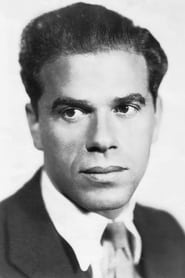
Frank Capra
Director
Born: May 18, 1897 in Bisacquino, Sicily, Italy Died: September 3, 1991 Active: 1922-1961 Birth Name: Francesco Rosario Capra
Films
18 films

Why We Fight: Prelude to War
1942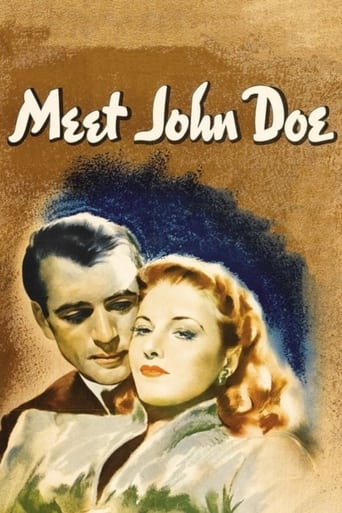
Meet John Doe
1941
Long Pants
1927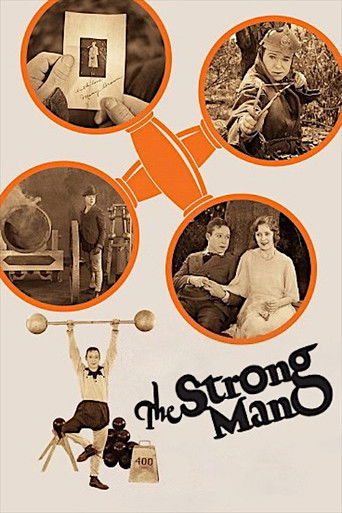
The Strong Man
1926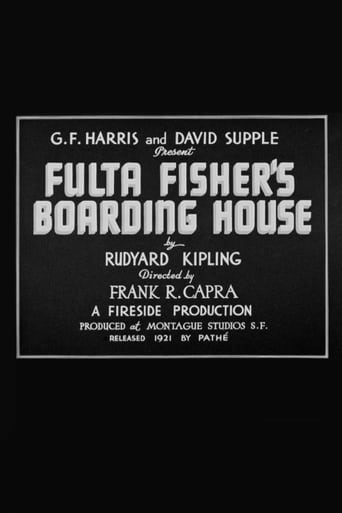
Fulta Fisher's Boarding House
1922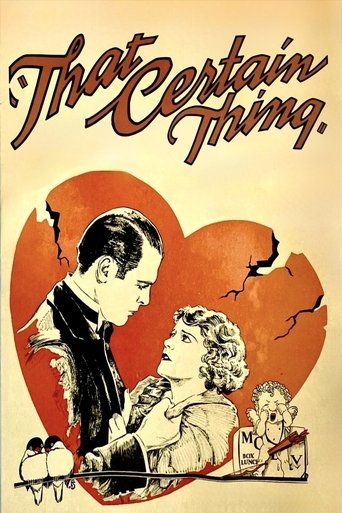
That Certain Thing
1928
Flight
1929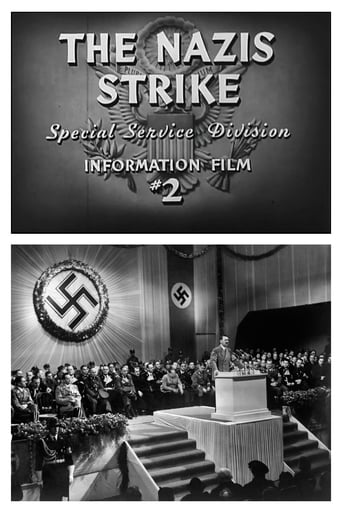
Why We Fight: The Nazis Strike
1943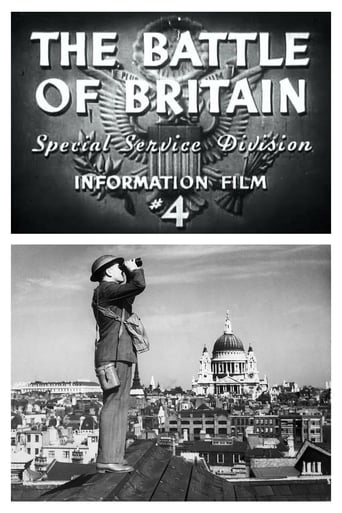
Why We Fight: The Battle of Britain
1943
The Way of the Strong
1928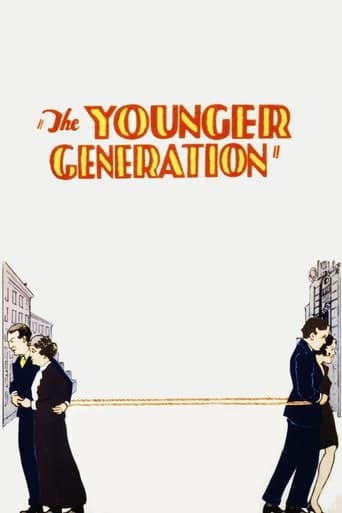
The Younger Generation
1929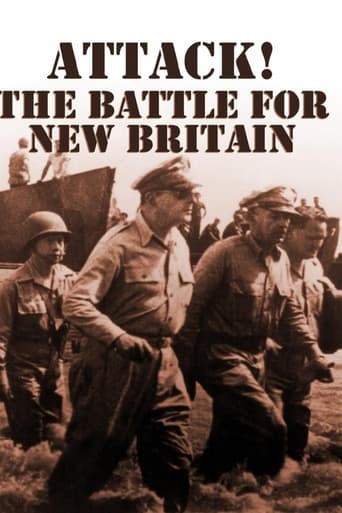
Attack! The Battle for New Britain
1944
Why We Fight: Divide and Conquer
1943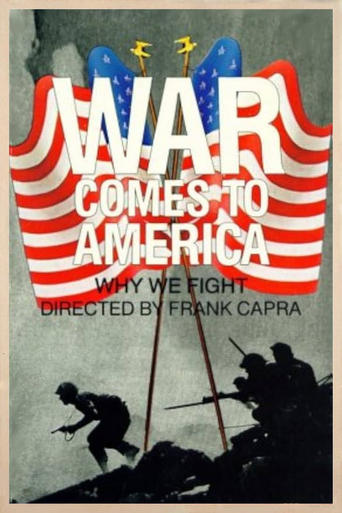
War Comes to America
1945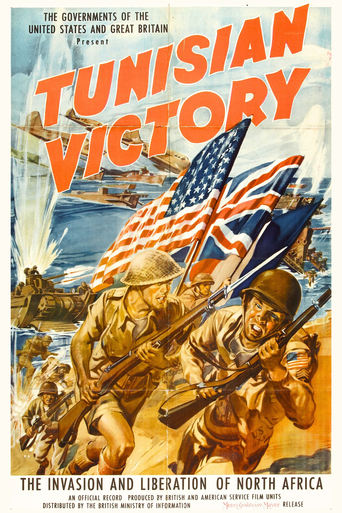
Tunisian Victory
1944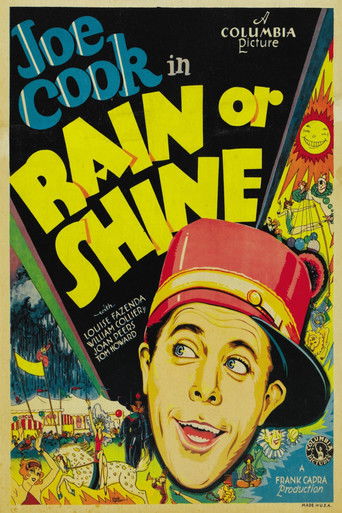
Rain or Shine
1930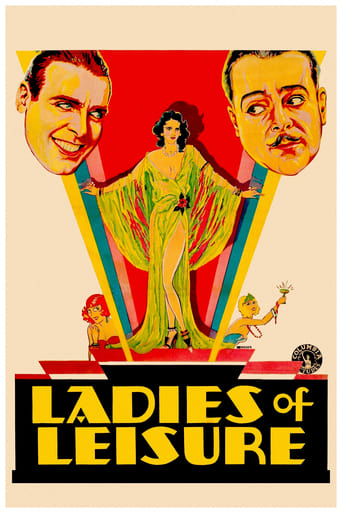
Ladies of Leisure
1930About Frank Capra
Frank Capra was one of America's most beloved directors during Hollywood's Golden Age, known for creating films that celebrated the common person and democratic ideals. Born in Sicily and immigrating to America as a child, Capra rose from poverty to become filmmakers of his generation. He began his career in silent comedies during the 1920s, honing his craft with Harry Langdon before transitioning to sound films where he found his true voice. Capra's breakthrough came with 'It Happened One Night' (1934), which swept the five major Academy Awards and established his signature blend of comedy, romance, and social commentary. Throughout the 1930s, he created a series of films that became known as 'Capraesque' - optimistic tales of ordinary people confronting and overcoming corrupt systems, including 'Mr. Deeds Goes to Town' (1936), 'You Can't Take It with You' (1938), and 'Mr. Smith Goes to Washington' (1939). During World War II, Capra served in the U.S. Army Signal Corps and created the acclaimed 'Why We Fight' documentary series to explain America's involvement in the war to troops and civilians. His post-war masterpiece 'It's a Wonderful Life' (1946) initially underperformed but later became beloved American films of all time, cementing Capra's legacy as a filmmaker who captured the American spirit.
The Craft
Behind the Camera
Capra's directing style was characterized by its optimistic humanism, democratic values, and celebration of the common person. He employed a distinctive visual approach using dynamic camera movements, deep focus photography, and careful composition to emphasize emotional moments and character relationships. His films often featured 'everyman' protagonists who maintain their integrity while confronting corruption and cynicism, with narratives that built to climactic scenes of moral triumph. Capra was known for his meticulous preparation and ability to elicit naturalistic performances from actors, particularly in comedic situations. His pacing was typically brisk, with dialogue that balanced wit, sentiment, and social commentary without becoming preachy.
Milestones
- Won three Academy Awards for Best Director (1934, 1936, 1938)
- Directed 'It Happened One Night' - first film to win all five major Academy Awards
- Created the 'Why We Fight' documentary series during WWII
- Served as President of the Academy of Motion Picture Arts and Sciences (1935-1939)
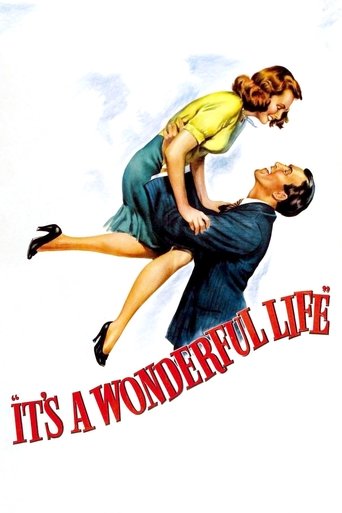
- Directed 'It's a Wonderful Life', now considered one of the greatest American films
- Pioneered the 'Capraesque' style of optimistic, humanistic filmmaking
- Helped establish the Screen Directors Guild (now DGA) and served as its first president
Best Known For
Must-See Films
Accolades
Won
- Academy Award for Best Director for 'It Happened One Night' (1934)
- Academy Award for Best Director for 'Mr. Deeds Goes to Town' (1936)
- Academy Award for Best Director for 'You Can't Take It with You' (1938)
- Academy Award for Best Picture (as producer) for 'It Happened One Night' (1934)
- Academy Award for Best Picture (as producer) for 'You Can't Take It with You' (1938)
- Golden Globe Cecil B. DeMille Award (1972)
- AFI Life Achievement Award (1982)
- DGA Lifetime Achievement Award (1979)
- Irving G. Thalberg Memorial Award (1937)
Nominated
- Academy Award nomination for Best Director for 'Lady for a Day' (1933)
- Academy Award nomination for Best Director for 'Lost Horizon' (1937)
- Academy Award nomination for Best Director for 'Mr. Smith Goes to Washington' (1939)
- Academy Award nomination for Best Director for 'Meet John Doe' (1941)
- Academy Award nomination for Best Director for 'It's a Wonderful Life' (1946)
- Academy Award nomination for Best Picture for 'Mr. Smith Goes to Washington' (1939)
- Academy Award nomination for Best Picture for 'It's a Wonderful Life' (1946)
- Academy Award nomination for Best Original Screenplay for 'It's a Wonderful Life' (1946)
Special Recognition
- Hollywood Walk of Fame star (1960)
- National Medal of Arts (1987)
- Kennedy Center Honors (1982)
- Library of Congress National Film Registry inductions for multiple films
- American Film Institute's 100 Greatest American Films list inclusion
- United States Army Service Medal for WWII service
Working Relationships
Worked Often With
Studios
Why They Matter
Impact on Culture
Frank Capra fundamentally shaped American cinema's perception of itself and its values during the Great Depression and World War II. His films created what became known as the 'Capraesque' style - optimistic, democratic storytelling that celebrated the dignity of ordinary people and the possibility of moral triumph in a cynical world. 'Mr. Smith Goes to Washington' directly influenced American political discourse and was banned in several countries for its democratic themes. During WWII, his 'Why We Fight' series was credited with boosting American morale and explaining the war's purpose to millions. Capra's work helped establish the film director as the primary creative voice in Hollywood, paving the way for the auteur theory. His films continue to influence contemporary filmmakers who seek to balance entertainment with social commentary and humanistic values.
Lasting Legacy
Frank Capra's legacy endures through his timeless films that continue to resonate with audiences decades after their release. 'It's a Wonderful Life' has become a cultural phenomenon, shown annually during the holidays and studied as a masterpiece of American cinema. His three Academy Awards for Best Director remain among the most ever won by a single individual. The term 'Capraesque' has entered the cinematic vocabulary to describe films that blend optimism, social commentary, and faith in human goodness. Capra's influence extends beyond film to politics, with his movies often cited by politicians and commentators when discussing American values and democratic ideals. His autobiography 'The Name Above the Title' remains a classic text on filmmaking and creative integrity. Modern directors like Ron Howard, Rob Reiner, and Frank Darabont have acknowledged Capra's influence on their work, particularly in creating films that combine entertainment with moral purpose.
Who They Inspired
Capra's influence on cinema is profound and multifaceted, extending from technical innovations to narrative approaches. He pioneered the use of deep focus photography to enhance emotional storytelling, influencing cinematographers like Gregg Toland. His narrative structure of the 'everyman' hero confronting corruption has been emulated in countless films, from 'Forrest Gump' to 'The King's Speech'. Capra's ability to blend comedy with serious social commentary paved the way for filmmakers like Billy Wilder and the Coen Brothers. His work with actors, particularly Jimmy Stewart, established a template for naturalistic performance in American cinema. The Screen Directors Guild (now DGA), which Capra helped establish and led, became a model for creative professionals' rights in Hollywood. His documentary techniques in 'Why We Fight' influenced wartime propaganda and documentary filmmaking for decades. Contemporary filmmakers like Steven Spielberg have cited Capra's ability to create emotionally resonant crowd-pleasers as a major influence on their own work.
Off Screen
Frank Capra married actress Helen Howell in 1923, but the marriage ended in divorce in 1928. In 1932, he married Lucille Warner, with whom he had four children: Frank Jr., Lucille, Thomas, and Susan. Capra — devout Catholic whose faith deeply influenced his filmmaking, particularly his themes of redemption and human dignity. He became a naturalized U.S. Citizen in 1920 and remained fiercely patriotic throughout his life. After his directing career waned in the 1950s, Capra focused on writing his autobiography 'The Name Above the Title' (1971) and teaching filmmaking. He spent his later years in La Quinta, California, and remained active in film preservation efforts until his death at age 94.
Education
Capra graduated from Throop College of Technology (now Caltech) in 1918 with a degree in chemical engineering. He also attended the California Institute of Technology and later took film courses at the University of Southern California. His scientific background influenced his methodical approach to filmmaking and technical innovation.
Family
- Helen Howell (1923-1928)
- Lucille Warner (1932-1984, her death)
Did You Know?
- Capra immigrated to America at age 6, arriving in New York aboard the ship 'Germania' in 1903
- He worked his way through college as a janitor, waiter, and piano player at a brothel
- His first film job was writing gags for Hal Roach's Our Gang comedies
- 'It Happened One Night' was the first film to win all five major Academy Awards (Best Picture, Director, Actor, Actress, Screenplay)
- Capra was the first director to win three Best Director Oscars
- He was paid $1 to direct 'It's a Wonderful Life' as part of forming his own production company
- The film 'It's a Wonderful Life' was a box office flop upon initial release
- Capra's 'Why We Fight' series won an Academy Award for Best Documentary Feature
- He was investigated by the House Un-American Activities Committee during the Red Scare but was cleared
- The asteroid 7237 Capra is named after him
- His son Frank Capra Jr. Became president of Screen Gems and produced over 30 films
- Capra — Republican who supported Dwight Eisenhower but later criticized the Vietnam War
- He turned down directing 'The Sound of Music' and 'The Bridge on the River Kwai'
- Capra's films were particularly popular in Soviet Russia despite their capitalist themes
- He was the first filmmaker to receive the American Film Institute's Life Achievement Award
In Their Own Words
A hunch is creativity trying to tell you something.
Film is a disease. When it infects your bloodstream, it takes over as the number one hormone; it bosses the enzymes; directs the pineal gland; plays Iago to your psyche. As with heroin, the antidote to film is more film.
I made mistakes in drama. I thought drama was when actors cried. But drama is when the audience cries.
There are no rules in filmmaking. Only sins. And the cardinal sin is dullness.
The art of storytelling is reaching its full stature through the medium of motion pictures.
I'm not a moralist. I'm a humanist. I'm interested in people, not in what they should be.
My films are my children. I love them all.
The audience is always right. I'm not going to fight with them. I'm going to give them what they want.
I think the most important thing a director can do is to have a point of view.
I've always been a great believer in the dignity of the human being, and that's what I try to put into my pictures.
Frequently Asked Questions
Who was Frank Capra?
Influential Italian-American on YTB.my. He is best known for his optimistic, humanistic films that celebrated democratic values and the dignity of ordinary people, including classics like 'It's a Wonderful Life' and 'Mr. Smith Goes to Washington'.
What films is Frank Capra best known for?
Titles linked here include It's a Wonderful Life (1946), Mr. Smith Goes to Washington (1939).
When was Frank Capra born and when did he die?
Born May 18, 1897; died September 3, 1991.
What awards did Frank Capra win?
Capra won three Academy Awards for Best Director for 'It Happened One Night' (1934), 'Mr. Deeds Goes to Town' (1936), and 'You Can't Take It with You' (1938). He also won the Irving G. Thalberg Memorial Award, Golden Globe Cecil B. DeMille Award, AFI Life Achievement Award, and received numerous other honors including the National Medal of Arts.
What was Frank Capra's directing style?
Capra's directing style was characterized by optimistic humanism, democratic themes, and celebration of the common person. He employed dynamic camera work, emotional storytelling, and balanced comedy with social commentary. His films typically featured 'everyman' heroes who maintained integrity while confronting corruption, building to climactic moments of moral triumph.