

Meet John Doe
"A fake letter sparks a real movement."
Keys: Space play/pause · ←/→ 10s · F fullscreen · M mute · </> speed
About this film
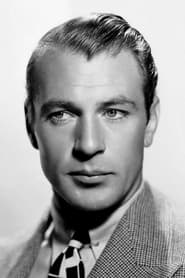
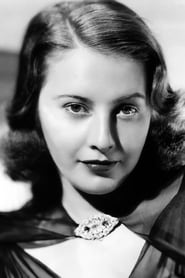
Fired reporter Ann Mitchell publishes a fake letter from unemployed "John Doe" threatening suicide over social ills, forcing the newspaper to rehire her and recruit drifter John Willoughby to play the everyman symbol. Ann and her editors cynically build a grassroots movement around Doe until sincerity and scandal collide in Frank Capra's 1941 drama.
Cast & crew
More Comedy films
View all →






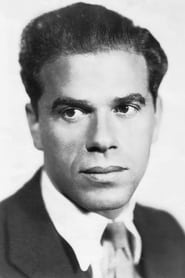
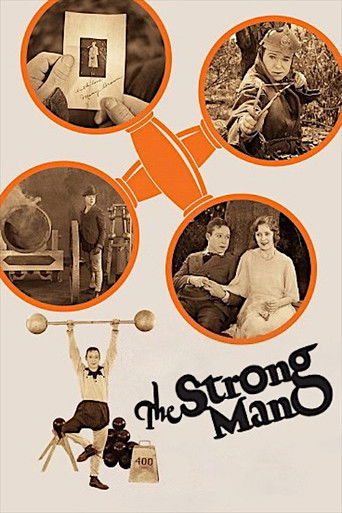
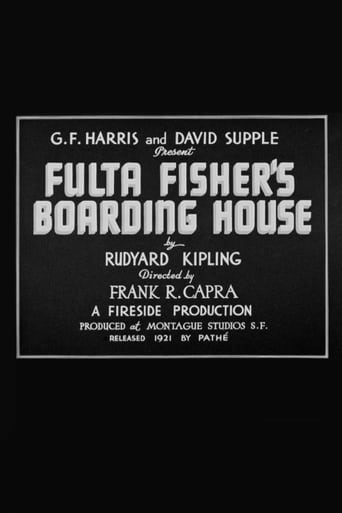
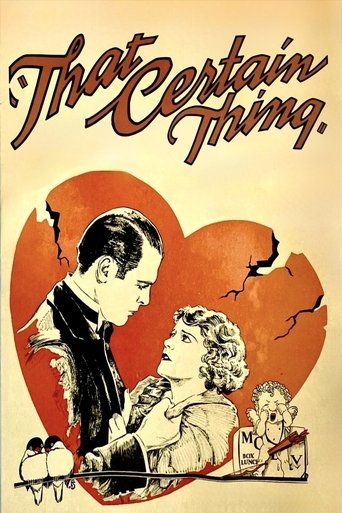
More from Frank Capra
View all →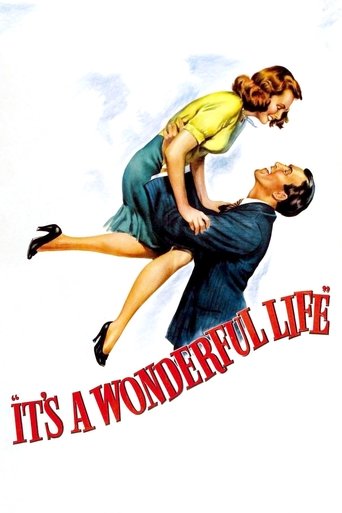



More about this film
About the production
Release dateMay 3, 1941
Budget$1.5 million
Box office$2.3 million
ProductionWarner Bros. Pictures, Frank Capra Productions
Filmed inWarner Bros. Studios, Burbank, California, Los Angeles, California, Wrigley Field, Los Angeles
This was the first film Capra made after forming his own independent production company, Frank Capra Productions. The film went through several script revisions with contributions from Robert Riskin, Myles Connolly, and others. There were tensions on set between Capra and Gary Cooper, who felt the character was too idealistic. The original ending had John Doe committing suicide, but preview audiences reacted negatively, leading Capra to film the more hopeful ending that appears in the final version. The baseball scenes featuring Gary Cooper were filmed at the now-demolished Wrigley Field in Los Angeles.
Historical background
Released around 1941, Meet John Doe reached audiences while exhibitors were still shaping program length and star promotion.
Why this film matters
Festival and repertory screenings keep Meet John Doe in circulation among silent- and classic-film communities.
Making of
'Meet John Doe' was a complex production that reflected both Capra's idealistic vision and the tensions of its time. The film marked Capra's first project after establishing his own production company, giving him more creative control but also more financial responsibility. The casting process was extensive, with Capra considering numerous actors for the role of John Doe before settling on Gary Cooper. Cooper, known for his laconic style, initially struggled with the philosophical speeches required by the role. Barbara Stanwyck, however, embraced her character's complexity and delivered one of her most nuanced performances. The screenplay went through multiple revisions, with contributions from several writers, including Capra's frequent collaborator Robert Riskin, who left the project midway due to creative differences. The production was also affected by the looming threat of war in Europe, which influenced the film's themes and its reception. The controversial original ending, which had John Doe committing suicide from the top of a skyscraper, was changed after negative test screenings, with Capra reshooting to provide a more hopeful conclusion that emphasized redemption and community.
What critics said
Specialist writers today emphasize preservation and access when a viewable copy of Meet John Doe survives.
Did you know?
- The film was originally conceived as a sequel to Capra's 'Mr. Smith Goes to Washington,' with James Stewart intended to reprise his role as Jefferson Smith.
- Barbara Stanwyck was Capra's first choice for the role of Ann Mitchell, though he initially considered Jean Arthur.
- Gary Cooper was paid $150,000 for his role, making him one of the highest-paid actors of the time.
- The character of John Willoughby was inspired by real-life populist movements and radio personalities of the era, particularly Father Charles Coughlin.
- The 'John Doe clubs' depicted in the film were based on actual grassroots organizations that formed during the Great Depression.
- The film was nominated for an Academy Award for Best Original Story.
- Capra and screenwriter Robert Riskin had a falling out during production, leading to Riskin leaving the project before completion.
- The film's release was overshadowed by the growing tensions leading to World War II, which affected its box office performance.
- The film's theme song, 'The John Doe March,' became popular and was used by various organizations promoting social causes.
- In 1998, the film was selected for preservation in the United States National Film Registry by the Library of Congress.
Visual style
The cinematography of 'Meet John Doe' was handled by George Barnes, an accomplished cameraman who brought a distinctive visual style to Capra's vision. Barnes employed a blend of expressionistic lighting and realistic compositions to create a film that balanced its idealistic themes with a gritty sense of reality. The opening sequences, depicting the newspaper office and Ann Mitchell's world, use sharp contrasts and dynamic camera movements to convey the frenetic pace of journalism. As the story shifts to John Doe's perspective, the visual style becomes more intimate, with softer lighting and closer framing that emphasize the character's humanity. The film's most visually striking sequence occurs during the final rally scene, where Barnes uses dramatic angles and lighting to create a sense of spectacle while maintaining the emotional focus on the characters. The cinematography also employs subtle visual metaphors throughout, such as the frequent use of shadows to represent moral ambiguity and the contrast between the sterile, artificial world of the newspaper office and the natural, authentic environments where John Doe connects with ordinary people. Barnes' work on 'Meet John Doe' earned him an Academy Award nomination for Best Cinematography, and his approach influenced the visual style of subsequent social dramas in Hollywood.
Music
The musical score for 'Meet John Doe' was composed by Dimitri Tiomkin, a frequent Capra collaborator who created a soundtrack that perfectly balanced the film's emotional tones. Tiomkin's main theme, 'The John Doe March,' became widely recognized pieces of film music from the era, conveying both the dignity of ordinary people and the populist energy of
What audiences thought
When 'Meet John Doe' was released in 1941, it received a mixed but generally positive response from audiences. The film resonated with viewers who had experienced the hardships of the Great Depression, drawing strong emotional reactions to its portrayal of economic injustice and human dignity. Many audience members identified with John Willoughby's struggles and were moved by the film's message of hope and community. However, the film's darker elements and its critique of capitalism and media manipulation made some viewers uncomfortable. The romantic chemistry between Gary Cooper and Barbara Stanwyck was widely appreciated, though some found Cooper's character too idealistic. The film's box office performance was moderate, not reaching the heights of Capra's previous hits like 'It's a Wonderful Life' or 'Mr. Smith Goes to Washington.' The growing international tensions as World War II loomed likely distracted audiences from the film's domestic concerns. In the decades since its release, 'Meet John Doe' has developed a loyal following among classic film enthusiasts, who appreciate its complex characters and timeless themes. The film is now frequently shown at revival houses and film festivals, where it continues to provoke discussion about media ethics, populism, and the American Dream.
Where to watch
- Internet Archive: https://archive.org/details/meet_john_doe
- YouTube: https://www.youtube.com/watch?v=QfXGa8w35Gc
- Wikimedia Commons: https://commons.wikimedia.org/wiki/File:Meet%20John%20Doe%20(1941)%20by%20Frank%20Capra.webm