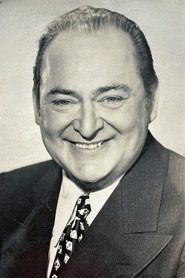
Edward Arnold
Actor
Born: February 18, 1890 in New York City, New York, USA Died: April 26, 1956 Active: 1916-1956 Birth Name: Gunther Edward Arnold Schneider
Films
2 films

About Edward Arnold
Edward Arnold, born Gunther Edward Arnold Schneider, was one of Hollywood's most prolific and recognizable character actors during the Golden Age of cinema. Beginning his career on Broadway, he successfully transitioned to silent films in the 1920s with his breakthrough role in 'He Who Gets Slapped' (1924). Arnold became renowned for his imposing physical presence and distinctive voice, which made him perfect for portraying wealthy businessmen, politicians, and authority figures. Edward appears in over 150 films throughout his four-decade career, working with directors like Frank Capra and John Ford. Despite often playing villains, Arnold brought remarkable depth and humanity to his characters, avoiding one-dimensional portrayals. Beyond acting, he was a shrewd businessman and served as president of the Screen Actors Guild from 1940-1942, advocating for actors' rights. His screen career spanned the silent era through the classic Hollywood period, making him one of the few actors to successfully navigate both mediums.
The Craft
On Screen
Arnold was known for his commanding screen presence and resonant voice, which he used to convey authority and power. He specialized in bringing complexity to what could have been one-dimensional roles, often playing wealthy businessmen or corrupt politicians with surprising humanity. His acting combined theatrical gravitas with naturalistic delivery, allowing him to be both intimidating and compelling. Arnold had a particular talent for subtle facial expressions and vocal modulation that could transform a seemingly straightforward villain into a multidimensional character. Despite his frequent casting as antagonists, he avoided cartoonish evil, instead creating characters whose motivations were understandable, if not admirable.
Milestones
- Breakthrough role in 'He Who Gets Slapped' (1924)
- Iconic portrayal of Diamond Jim Brady in the 'Diamond Jim' film series (1935-1940)
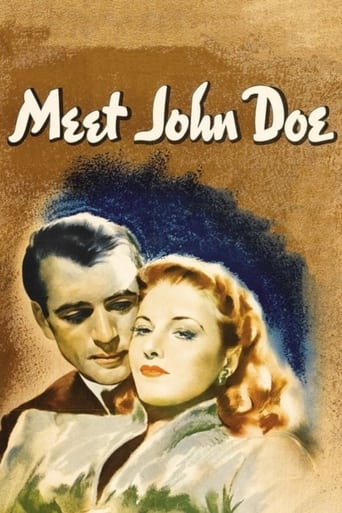
- Memorable performance as D.B. Norton in Frank Capra's 'Meet John Doe' (1941)
- Served as President of the Screen Actors Guild (1940-1942)
- Became one of Hollywood's highest-paid character actors
- Successfully transitioned from silent films to talkies
- Appeared in over 150 films during his 40-year career
- Founding member of the Screen Actors Guild
Best Known For
Iconic Roles
Must-See Films
Accolades
Won
- Hollywood Walk of Fame Star (6225 Hollywood Boulevard)
Special Recognition
- Founding Member of Screen Actors Guild
- President of Screen Actors Guild (1940-1942)
- One of the highest-paid character actors in Hollywood during the 1930s-1940s
Working Relationships
Worked Often With
Studios
Why They Matter
Impact on Culture
Edward Arnold significantly shaped the archetype of the powerful, wealthy character in American cinema during the Great Depression and World War II eras. His portrayals of businessmen, politicians, and industrialists reflected and influenced public perceptions of authority and power during turbulent times. Arnold's ability to humanize often villainous roles added complexity to Hollywood's storytelling, moving beyond simple good versus evil narratives. His success as a character actor helped establish the importance and viability of supporting roles in the star-driven studio system, proving that character actors could be as essential to a film's success as its stars. Through his work with the Screen Actors Guild, he also contributed to the professionalization of the acting profession and secured better working conditions for performers.
Lasting Legacy
Arnold's legacy lies in his mastery of the character actor's craft and his role in establishing cinematic archetypes that persist to this day. His extensive filmography serves as a comprehensive record of Hollywood's Golden Age, with appearances in many of its most significant productions. As a founding member and president of the Screen Actors Guild, he played a crucial role in securing better working conditions and rights for actors, leaving an institutional impact that continues to benefit performers. His technique of combining physical presence with vocal authority became a template for similar characters, influencing generations of actors. Arnold's career demonstrated that character actors could achieve both critical acclaim and commercial success, paving the way for future performers in supporting roles.
Who They Inspired
Arnold influenced generations of character actors who followed, particularly those specializing in authoritative roles. His technique of combining physical presence with vocal authority became a template for similar characters in film and television. Actors like Orson Welles, Lionel Barrymore, and later character actors such as Charles Durning and J.K. Simmons owe a debt to Arnold's work in creating complex authority figures. His business acumen and involvement in industry politics through the Screen Actors Guild also influenced how actors approached their careers and industry advocacy. Arnold's ability to transition between sympathetic and menacing characters while maintaining audience engagement became a model for versatile character acting.
Off Screen
Arnold was married three times and had three children. He was known for his business acumen outside of acting, making wise investments in real estate that made him financially independent. A staunch Republican, he was politically active and was considered for political office. Despite often playing villains on screen, Arnold was known as a kind and generous person in real life, respected by his colleagues for his professionalism and integrity. He was also involved in various charitable activities and was known for supporting fellow actors in need.
Education
Attended public schools in New York City but left at an early age to pursue acting. Received most of his training through practical experience in theater and early film work, supplemented by mentorship from established theater professionals.
Family
- Harriet Marshall (1917-1927)
- Olive Emerson (1929-1931)
- Sanchia Mendoza (1932-1956)
Did You Know?
- Born as Gunther Edward Arnold Schneider but shortened his name for his acting career
- Began his career as a professional boxer before turning to acting
- Lost over 100 pounds in the 1930s, changing his screen persona from heavy to imposing
- Was one of the first actors to successfully transition from silent films to talkies
- Made shrewd real estate investments that made him financially independent
- Worked in radio programs in addition to films, leveraging his distinctive voice
- Was a staunch Republican and was considered for political office
- Never won an Academy Award but was highly respected by his peers
- Appeared in more films than many leading actors of his era
- His distinctive voice made him particularly effective in the new sound era of cinema
In Their Own Words
I never play a villain. I play a man who is doing what he thinks is right.
The secret to playing a rich man is to act as though you've never been poor.
In pictures, you have to be a bigger person than in life. You have to be bigger than life.
Frequently Asked Questions
Who was Edward Arnold?
Prolific American character with credits in this catalog. He specialized in playing wealthy businessmen, politicians, and authority figures in over 150 films from the 1920s to the 1950s, successfully transitioning from silent films to talkies.
What films is Edward Arnold best known for?
Titles linked here include He Who Gets Slapped (1924), Diamond Jim (1935).
When was Edward Arnold born and when did he die?
Born February 18, 1890; died April 26, 1956.
What awards did Edward Arnold win?
While Arnold never won an Academy Award, he received a star on the Hollywood Walk of Fame and served as president of the Screen Actors Guild. He was one of the highest-paid character actors of his era and was highly respected by his peers in Hollywood.
What was Edward Arnold's acting style?
Arnold was known for his commanding screen presence, distinctive voice, and ability to bring depth to authoritative roles. He combined theatrical gravitas with naturalistic delivery, often playing powerful figures with surprising humanity and nuance, avoiding one-dimensional villain portrayals.
How did Edward Arnold impact the film industry?
Arnold helped establish the importance of character actors in Hollywood and was a founding member of the Screen Actors Guild. His portrayals of wealthy and powerful characters shaped cinematic archetypes and influenced generations of actors, while his union advocacy improved working conditions for performers.
What was Edward Arnold's real name?
Edward Arnold was born Gunther Edward Arnold Schneider but shortened his name for his professional acting career, adopting the stage name that would become famous throughout Hollywood's Golden Age.
Did Edward Arnold work in other media besides film?
Yes, in addition to his extensive film career, Arnold also worked in radio programs, leveraging his distinctive voice for audio performances, and began his career in theater on Broadway before transitioning to silent films.