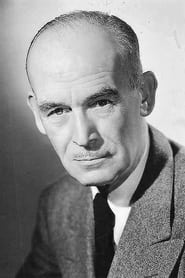
James Gleason
Actor
Born: May 23, 1882 in New York City, New York, USA Died: April 12, 1959 Active: 1914-1959
Films
2 films
About James Gleason
James Gleason (1882-1959) was an American actor, playwright, and screenwriter who became one of Hollywood's most recognizable character actors during the Golden Age. He began his career on the stage in the early 1900s before transitioning to films in the 1920s, quickly establishing himself as a reliable supporting player. Gleason was known for his distinctive gravelly voice, rapid-fire delivery, and his ability to play both comedic and dramatic roles with equal skill. He often portrayed police officers, reporters, or working-class characters with a heart of gold, bringing authenticity and humanity to every role. His over three decades, during which he appeared in more than 150 films. Gleason was also a successful playwright, co-writing the Broadway hit 'The Potters' in 1921 with his wife Lucile. His final film appearance was in 'A Hole in the Head' (1959), which was released shortly after his death from a heart attack.
The Craft
On Screen
Gleason was known for his naturalistic, fast-talking delivery and his ability to convey both humor and pathos simultaneously. He had a distinctive gravelly voice that became his trademark, and he excelled at playing world-weary but fundamentally decent characters. His acting style was grounded in reality, often bringing a sense of authenticity to every role he played. Gleason had a remarkable ability to steal scenes even with limited screen time, using his expressive face and impeccable comic timing to maximum effect. He was particularly adept at playing authority figures who were either comically inept or surprisingly competent.
Milestones
- Broadway success with 'The Potters' (1921)
- Academy Award nomination for Best Supporting Actor for 'The Bishop's Wife' (1947)
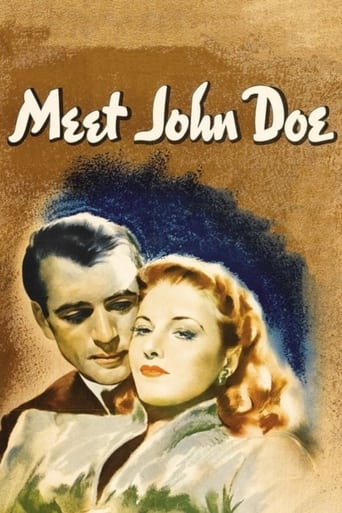
- Memorable role as the cynical newspaper editor in 'Meet John Doe' (1941)
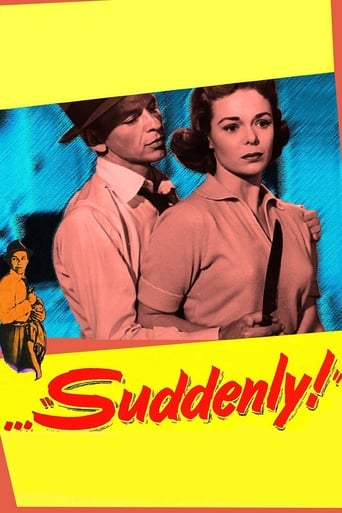
- Intense performance as the sheriff in 'Suddenly' (1954)
- Over 150 film appearances spanning three decades
- Hollywood Walk of Fame star recipient
Best Known For
Iconic Roles
Must-See Films
Accolades
Won
- Academy Award nomination for Best Supporting Actor for 'The Bishop's Wife' (1947)
Nominated
- Academy Award nomination for Best Supporting Actor for 'The Bishop's Wife' (1947)
Special Recognition
- Hollywood Walk of Fame star (located at 7021 Hollywood Boulevard)
Working Relationships
Worked Often With
Studios
Why They Matter
Impact on Culture
James Gleason left an indelible mark on Hollywood as. His distinctive voice and mannerisms influenced countless actors who followed, particularly in the realm of character acting. Gleason helped establish the archetype of the wise-cracking, street-smart character who could provide both comic relief and emotional depth. His performances in films like 'Meet John Doe' and 'Suddenly' demonstrated how supporting actors could elevate entire films with their presence. Gleason's success as both a performer and writer showed the multifaceted nature of talent in early Hollywood and contributed to the development of more nuanced supporting roles in American cinema.
Lasting Legacy
James Gleason's legacy lives on through his extensive filmography, which continues to be discovered by new generations of classic film enthusiasts. His ability to create memorable characters with limited screen time set a standard for character actors that persists today. The authenticity and humanity he brought to every role, whether playing a police officer, journalist, or concerned parent, created a template for supporting performances. His work in film noir and comedy demonstrated remarkable range, influencing how studios approached casting for character roles. Gleason's contributions to both stage and screen helped bridge the gap between theatrical and cinematic acting styles during Hollywood's transition to sound.
Who They Inspired
James Gleason influenced generations of character actors with his naturalistic style and ability to create fully realized characters in brief appearances. His rapid-fire delivery and distinctive vocal patterns can be seen in the work of later character actors like William Demarest and Edgar Buchanan. Gleason proved that supporting actors could achieve both critical recognition and audience affection, paving the way for future character actors to receive more substantial recognition. His approach to blending comedy with drama influenced how Hollywood developed multi-dimensional supporting characters in subsequent decades.
Off Screen
James Gleason was married to actress Lucile Gleason (born Lucile Webster) from 1905 until her death in 1947. The couple frequently appeared together in films, including the 'Joe Palooka' series where they played the parents of the title character. They had one son, Russell Gleason, who also became an actor. Tragically, Russell died in 1945 after falling from a hotel window while serving in the Army during World War II. After Lucile's death, James never remarried and dedicated himself to his work until his own death from a heart attack in 1959 at age 76.
Education
Limited formal education, began acting career as a teenager
Family
- Lucile Gleason (1905-1947)
Did You Know?
- Co-wrote the hit Broadway play 'The Potters' with his wife Lucile
- Appeared in over 150 films during his career
- Was a talented amateur boxer in his youth
- His son Russell died under mysterious circumstances while serving in WWII
- Often played characters named 'Connors' or 'Pop'
- Was one of the first actors to successfully transition from silent films to talkies
- His distinctive voice made him a popular choice for radio work
- Despite his gruff on-screen persona, was known as one of Hollywood's kindest actors
- Never received top billing but was consistently in demand for character roles
- Was a founding member of the Screen Actors Guild
In Their Own Words
From 'Meet John Doe': 'I'll tell you what I'm gonna do. I'm gonna give you a story that'll make this town sit up and take notice!'
From 'Suddenly': 'There's nothing wrong with this country that a good dose of patriotism won't cure.'
On acting: 'The secret to good character acting is making the audience believe you've lived that character's entire life, even if you're only on screen for five minutes.'
Frequently Asked Questions
Who was James Gleason?
Screen credits include over 150 films during Hollywood's Golden Age. Known for his distinctive gravelly voice and rapid-fire delivery, he became.
What films is James Gleason best known for?
Titles linked here include Meet John Doe (1941), Suddenly (1954).
When was James Gleason born and when did he die?
Born May 23, 1882; died April 12, 1959.
What awards did James Gleason win?
James Gleason received an Academy Award nomination for Best Supporting Actor for his performance in 'The Bishop's Wife' (1947). He also received a star on the Hollywood Walk of Fame located at 7021 Hollywood Boulevard for his contributions to the film industry.
What was James Gleason's acting style?
James Gleason was known for his naturalistic, fast-talking delivery and distinctive gravelly voice that became his trademark. He excelled at playing world-weary but fundamentally decent characters, bringing both humor and pathos to his roles. His acting was grounded in reality, often conveying authenticity through his expressive face and impeccable comic timing.
Did James Gleason work in other aspects of entertainment?
Yes, beyond his prolific film career, James Gleason was also a successful playwright and screenwriter. He co-wrote the Broadway hit 'The Potters' in 1921 with his wife Lucile, and his distinctive voice made him popular for radio work as well.
Was James Gleason married and did he have children?
James Gleason was married to actress Lucile Gleason from 1905 until her death in 1947. They frequently appeared together in films and had one son, Russell Gleason, who also became an actor but tragically died in 1945 while serving in the Army during World War II.