

Suddenly
"The President is coming. So is the assassin."
Keys: Space play/pause · ←/→ 10s · F fullscreen · M mute · </> speed
About this film
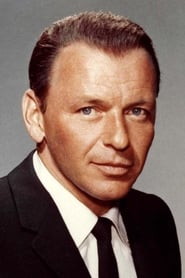
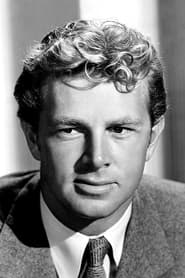
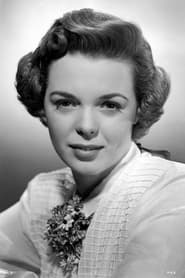
The tranquility of a small town is marred only by sheriff Tod Shaw's unsuccessful courtship of widow Ellen Benson, a pacifist who can't abide guns and those who use them. But violence descends on Ellen's household willy-nilly when the U.S. President passes through town... and sli.
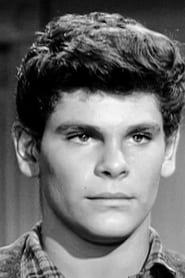
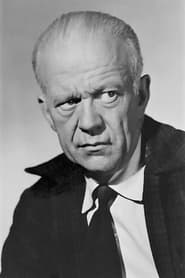
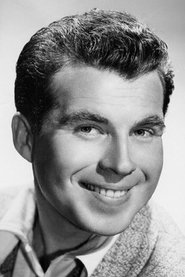
Cast & crew
More Crime films
View all →


More about this film
About the production
Release dateOctober 1954
BudgetApproximately $425,000
Box officeModerately successful, though exact figures are not well documented
ProductionLiberty Films, United Artists, Artanis Productions
Filmed inSamuel Goldwyn Studio in Hollywood, California
The film was shot in just 18 days on a relatively low budget. Frank Sinatra reportedly took the role to prove his dramatic acting abilities after winning an Oscar for 'From Here to Eternity.' The film was one of the first to deal with the theme of presidential assassination in the Cold War era. Sinatra's own production company, Artanis Productions, was involved, giving him more creative control over the project.
Themes
Political violence and assassinationThe nature of heroism and cowardicePacifism versus violenceSmall-town innocence versus corruptionMoral choices under pressure
Themes & topics
assassinationhostage situationpresidentsmall townsheriffwidowpacifistthrillernoirtensionpsychological manipulationCold Warmoral dilemmaviolencefamilydangercountdownsniperambushclaustrophobia
Historical background
Postwar screen culture in 1954 faced television competition, shifting star systems, and new international co-production models.
Why this film matters
Suddenly remains part of the screen heritage of its era, offering evidence of prevailing genres, production methods, and audience tastes. Later revivals, archive screenings, and digitization have kept such titles accessible to researchers and dedicated viewers long after their first commercial runs.
Making of
The production of 'Suddenly' was remarkably swift, with filming completed in just 18 days. Frank Sinatra, coming off his Oscar-winning performance in 'From Here to Eternity,' was eager to prove he could play darker, more complex characters. Director Lewis Allen, known for his atmospheric horror films, brought a sense of claustrophobic tension to the single-location thriller. The film was produced by Sinatra's own company, Artanis Productions, giving him more creative control. The screenplay by Richard Sale was adapted from his own story and originally written as a television play. The film's low budget necessitated creative solutions, including using minimal sets and focusing on character-driven tension rather than action sequences. The relationship between Sinatra and Sterling Hayden on set was reportedly tense, with both actors bringing strong personalities and different acting approaches to their roles.
What critics said
Reception records for Suddenly are uneven; interest today is concentrated among archivists, historians, and viewers of older cinema. Modern assessment tends to emphasize historical value, craft, and cultural context rather than box-office performance.
Did you know?
- 'Suddenly' was reportedly one of Lee Harvey Oswald's favorite films, and he watched it just days before assassinating President John F. Kennedy in 1963.
- After the JFK assassination, the film was pulled from circulation for several years due to its uncomfortable similarities to the real-life event.
- Frank Sinatra's portrayal of the ruthless assassin John Baron was a stark contrast to his usual charismatic roles, showcasing his range as an actor.
- The film's title comes from the name of the fictional town where the story takes place.
- Sterling Hayden, who played the sheriff, was a real-life former Marine and had served in World War II, bringing authenticity to his role.
- The film was remade in 2002 with Ray Liotta in the Frank Sinatra role, but the original is considered superior by most critics.
- The film's minimal setting (mostly taking place in one house) creates a claustrophobic tension that influenced later thriller films.
- Director Lewis Allen was primarily known for horror films like 'The Uninvited' (1944) before directing this thriller.
- The film's runtime of just 82 minutes makes it a tight, economical thriller with no wasted scenes.
- Nancy Gates, who played Ellen Benson, was a contract player at Paramount who had appeared in over 40 films before 'Suddenly.'
Visual style
The cinematography by John F. Warren creates a claustrophobic atmosphere that enhances the film's tension. Warren uses tight framing and limited camera movement within the confined space of the Benson house, making viewers feel as trapped as the characters. The black-and-white photography emphasizes the moral ambiguity of the story and creates stark contrasts between light and shadow that are characteristic of film noir. Warren's work is particularly effective in close-ups, capturing the psychological states of the characters, especially Sinatra's cold, calculating expressions. The cinematography also makes effective use of the limited setting, finding interesting angles and compositions within the house that maintain visual interest throughout the film. The contrast between the bright, sunny exterior of the small town and the dark, tense interior of the house reinforces the film's themes of surface tranquility hiding underlying violence.
Innovations
While 'Suddenly' doesn't feature groundbreaking technical innovations, it demonstrates remarkable technical proficiency in creating tension within limited resources. The film's sound design is particularly effective, using silence and subtle audio cues to build suspense. The editing by Robert S. Eisen creates a tight, economical pace that maintains tension throughout the film's 82-minute runtime. The film's production design, led by Hal Pereira, creates a believable small-town environment and a lived-in house that serves as the primary setting. The film's technical team found creative solutions to work within the budget constraints, focusing on psychological tension rather than elaborate action sequences. The film's use of a single location as the primary setting was technically challenging, requiring careful blocking and camera work to maintain visual interest. The film's technical achievements are in its effective use of classic noir techniques to create a compelling thriller with minimal resources.
Music
The film's score was composed by David Raksin, who was known for his work on film noir. Raksin's music enhances the tension without overwhelming the scenes, using subtle motifs and understated orchestration to create an atmosphere of unease. The score makes particularly effective use of brass instruments to punctuate moments of threat and violence. Raksin, who also composed the famous score for 'Laura,' brings his signature psychological approach to the music, reflecting the inner states of the characters. The soundtrack is relatively sparse, with long stretches of silence that make the musical cues more impactful when they do appear. The music also helps to establish the film's noir atmosphere, with its minor keys and dissonant harmonies underscoring the moral ambiguity of the story. Raksin's score is considered one of the strengths of the film, contributing significantly to its sustained tension.
Famous quotes
John Baron: 'I kill people for money. But you are my friend, and I don't want to kill you. But if you keep on pushing me, I'll have to.'
John Baron: 'You're a good sheriff, Shaw. You're a good man. But you're a fool.'
Sheriff Tod Shaw: 'You're not a man. You're a sickness.'
John Baron: 'I don't like killing. I just do it well.'
Pop Benson: 'You can't just kill people because you want to!'
John Baron: 'That's what they all say. Until they have to.'
Memorable scenes
- The tense standoff in the Benson living room where Baron reveals his plan to assassinate the President, creating a moral dilemma for everyone involved.
- The psychological manipulation of the family members as Baron alternates between charm and threats.
- The final confrontation between Baron and Shaw as the countdown to the President's arrival reaches its climax.
- The moment when young Pidge Benson realizes the true danger and must decide whether to help the assassins or protect his family.
What audiences thought
Audiences in 1954 responded positively to 'Suddenly,' finding it a tense and engaging thriller. The film's relatively short runtime and straightforward story made it accessible to mainstream audiences. Sinatra's popularity at the time undoubtedly helped draw viewers to the theater. In the years following the JFK assassination, audience perception of the film became more complicated due to its uncomfortable similarities to real events. Modern audiences often discover the film through classic film channels and noir festivals, where it is appreciated for its craftsmanship and historical significance. The film's claustrophobic tension continues to resonate with contemporary viewers, and it has developed a cult following among noir enthusiasts. Many viewers are struck by how the film's themes of political violence remain relevant in today's world.
Film connections
Influenced by
- Classic film noir traditions of the late 1940s and early 1950s
- Alfred Hitchcock's confined space thrillers like 'Lifeboat' (1944)
- Post-war cinema exploring moral ambiguity
- Real-world events like the attempted assassination of President Truman in 1950
- Earlier hostage dramas and psychological thrillers
This film influenced
- The Desperate Hours (1955)
- Dog Day Afternoon (1975)
- The Day of the Jackal (1973)
- In the Line of Fire (1993)
- Panic Room (2002)
- The Hateful Eight (2015)
- Suddenly (2002 remake)
Film restoration
'Suddenly' has been preserved by the Library of Congress and is part of the United Artists film library. The film exists in good quality prints and has been released on DVD and Blu-ray by various distributors. While not as widely available as more famous classics, the film is not considered lost or in danger of being lost. The film has been included in several film noir collections and is occasionally screened at classic film festivals and revival houses.
Where to watch
- Available on DVD from various classic film distributors
- Can be streamed on some classic movie platforms
- Occasionally shown on Turner Classic Movies (TCM)
- Available through some online classic film rental services