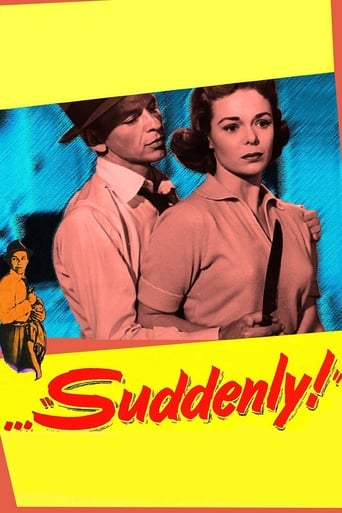
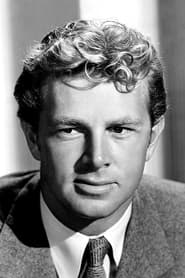
Sterling Hayden
Actor
Born: March 26, 1916 in Upper Montclair, New Jersey, USA Died: May 23, 1986 Active: 1941-1986 Birth Name: Sterling Relyea Walter
Films
1 film
About Sterling Hayden
Towering presence in classic Hollywood cinema — known for his distinctive weathered looks, deep voice, and commanding screen presence. Born in 1916, he began his career as a tall, handsome leading man in the 1940s after being discovered as a model and working as a deep-sea sailor. His career evolved from romantic leads to complex character roles, with standout performances in film noir classics like 'The Asphalt Jungle' (1950) and Stanley Kubrick's 'The Killing' (1956). Hayden's personal life was as dramatic as his film roles, including a stint as a Marine Corps officer during World War II and controversial testimony before the House Un-American Activities Committee. His later career saw him in memorable supporting roles, most notably as the corrupt police captain in 'The Godfather' (1972) and the deranged General Jack D. Ripper in Kubrick's 'Dr. Strangelove' (1964). Beyond acting, Hayden — accomplished sailor and author, writing several books about his maritime adventures. His four decades, leaving an indelible mark on American cinema with his unique blend of toughness and vulnerability.
The Craft
On Screen
Hayden's acting style was characterized by his naturalistic, brooding intensity and distinctive gravelly voice. He brought authenticity to tough-guy roles through his real-life experiences as a sailor and his imposing physical presence. His performances often conveyed a sense of world-weary cynicism mixed with underlying vulnerability, making him particularly effective in film noir and western genres. Hayden had a unique ability to portray both brute force and complex psychological depth, often playing characters torn between moral conflicts.
Milestones
- Film debut in 'Virginia' (1941)
- Starred in 'The Asphalt Jungle' (1950)
- Lead role in 'The Killing' (1956)
- Testified before HUAC in 1951
- Published autobiography 'Wanderer' (1963)
- Memorable role in 'Dr. Strangelove' (1964)
- Appeared in 'The Godfather' (1972)
- Final film role in 'The Killing Time' (1987)
Best Known For
Iconic Roles
Must-See Films
Accolades
Won
- National Board of Review Award for Best Actor (1950)
Special Recognition
- Hollywood Walk of Fame Star (6233 Hollywood Blvd)
- Inducted into the Western Performers Hall of Fame (1995)
Working Relationships
Worked Often With
Studios
Why They Matter
Impact on Culture
Sterling Hayden significantly influenced American cinema's portrayal of complex anti-heroes and morally ambiguous characters. His performances in film noir helped define the genre's archetypal tough guy with a conscience, influencing generations of actors. His testimony before HUAC and subsequent blacklisting period also highlighted the political pressures faced by Hollywood artists during the Red Scare. Hayden's embodiment of the rugged individualist both on screen and in his personal life resonated with post-war American audiences seeking authentic, uncompromising figures.
Lasting Legacy
Sterling Hayden's legacy endures through his iconic performances that continue to be studied and admired by film scholars and enthusiasts. His work in film noir classics like 'The Asphalt Jungle' and 'The Killing' remains essential viewing for understanding the genre's evolution. His late-career renaissance in the 1970s, particularly in 'The Godfather' and 'The Long Goodbye,' demonstrated remarkable range and adaptability. Beyond his film work, Hayden's autobiographical writings and sailing adventures have cemented his status as a true American original—a man who lived life on his own terms, both on and off the screen.
Who They Inspired
Hayden influenced countless actors who followed in his footsteps, particularly those specializing in tough, complex character roles. His naturalistic acting style and ability to convey deep emotion with minimal dialogue inspired performers like Robert De Niro, Al Pacino, and more contemporary actors such as Josh Brolin. Directors frequently referenced his performances when casting similar roles, and his distinctive voice and presence became touchstones for the archetype of the weathered, world-weary protagonist in American cinema.
Off Screen
Sterling Hayden led a tumultuous personal life marked by adventure, controversy, and artistic pursuit. He married five times and had six children, including actress Christiane Hayden. His passion for sailing led him to purchase a 92-foot schooner named 'Wanderer,' which became central to his life story. Hayden was politically active and initially held left-wing views, which led to his controversial testimony before the House Un-American Activities Committee in 1951. He later expressed deep regret for naming names, calling it 'the stupidest thing I ever did.' In his later years, he lived primarily in Sausalito, California, continuing his sailing adventures and writing until his death from cancer in 1986.
Education
Attended Montclair High School, left at age 16 to become a sailor
Family
- Madeleine Carroll (1942-1946)
- Betty Ann de Noah (1947-1950)
- Ann Dvorak (1952-1955)
- Kathryn Hume (1955-1968)
- Catherine Devine McConnell (1975-1986)
Did You Know?
- Stood 6'5" tall, making him one of the tallest leading men of his era
- Was a licensed deep-sea captain who sailed around the world multiple times
- Originally wanted to be a writer and published several books including 'Wanderer' and 'Voyage'
- Testified before HUAC in 1951, later calling it 'the most despicable thing I ever did'
- Served as a Marine Corps officer during WWII, seeing action in the Pacific
- Was briefly considered for the role of Ben-Hur before Charlton Heston was cast
- His distinctive voice was often used without his permission in commercials after his death
- Was a skilled amateur boxer in his youth
- Lived for periods on his schooner 'Wanderer' in Sausalito, California
- Was known for his political activism and briefly joined the Communist Party in the 1940s
In Their Own Words
I've been a rich man, and I've been a poor man. And I'll tell you this: rich is better.
I'm a writer. I'm a sailor. I'm an actor. I'm a man who's been around the world and back.
I don't think you can be an actor and not be a little bit crazy. You have to be willing to make a fool of yourself.
The sea's the only place I feel at home. On land I'm always a stranger.
I made a lot of mistakes in my life, but I never made the mistake of thinking I was anybody special.
Frequently Asked Questions
Who was Sterling Hayden?
Towering American with credits in this catalog. He was also an accomplished sailor, author, and Marine Corps veteran who lived a life as dramatic as his film roles.
What films is Sterling Hayden best known for?
Titles linked here include The Asphalt Jungle (1950), The Killing (1956).
When was Sterling Hayden born and when did he die?
Born March 26, 1916; died May 23, 1986.
What awards did Sterling Hayden win?
Hayden won the National Board of Review Award for Best Actor in 1950 for his performance in 'The Asphalt Jungle.' He also received a Hollywood Walk of Fame star and was posthumously inducted into the Western Performers Hall of Fame.
What was Sterling Hayden's acting style?
Hayden's acting style was characterized by naturalistic intensity, a distinctive gravelly voice, and an imposing physical presence. He excelled at portraying complex, morally ambiguous characters, bringing authenticity to tough-guy roles through his real-life experiences as a sailor and Marine.
Did Sterling Hayden have any controversies in his career?
Yes, Hayden's most significant controversy was his 1951 testimony before the House Un-American Activities Committee, where he named names of alleged communists. He later deeply regretted this action and called it 'the most despicable thing I ever did' in his autobiography.
What was Sterling Hayden's life outside of acting like?
Beyond acting, Hayden — accomplished deep-sea captain who sailed around the world, an author who wrote several books including his autobiography 'Wanderer,' and a Marine Corps veteran. He was also politically active and briefly joined the Communist Party in the 1940s before later testifying against it.