
Lewis Allen
Director
Born: December 25, 1905 in Oakengates, Shropshire, England Died: May 3, 2000 Active: 1944-1969
Films
1 film
About Lewis Allen
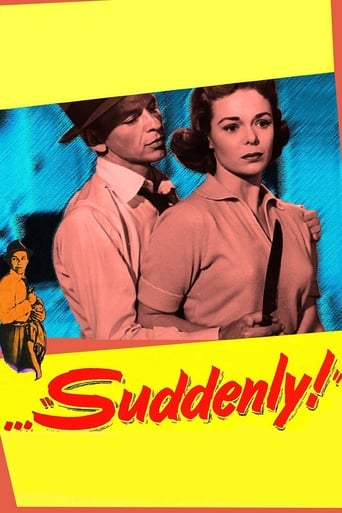
Made significant contributions to Hollywood's Golden Age, particularly in the suspense and thriller genres. Born in England in 1905, Allen began his career in the British film industry before transitioning to Hollywood in the 1940s. He achieved critical acclaim with his atmospheric ghost story 'The Uninvited' (1944), which established his reputation for creating suspenseful, mood-driven cinema. Throughout the 1940s and 1950s, Allen directed numerous notable films across various genres, including film noir, drama, and thrillers, working with some of Hollywood's biggest stars. His 1954 film 'Suddenly' became particularly infamous for its plot about an assassination attempt on a U.S. President, which later drew uncomfortable parallels with the JFK assassination. Allen continued directing through the 1960s, eventually transitioning to television work where he directed episodes of popular series. His over three decades, leaving a lasting mark on suspense cinema and demonstrating remarkable versatility across different mediums and genres.
The Craft
Behind the Camera
Lewis Allen was known for his masterful ability to create atmospheric tension and suspense, often employing subtle psychological techniques rather than overt shock value. His directing style emphasized mood and atmosphere, using lighting, composition, and pacing to build gradual tension in his thrillers and horror films. Allen had a particular talent for working within studio constraints while maintaining artistic vision, creating films that were both commercially viable and artistically distinctive. His approach to suspense was often described as elegant and sophisticated, relying on character development and psychological depth rather than mere plot mechanics.
Milestones
- Directed the classic ghost story 'The Uninvited' (1944)
- Created the controversial thriller 'Suddenly' (1954)
- Directed film noir 'The Big Clock' (1948)
- Worked with major stars including Frank Sinatra, Ray Milland, and Barbara Stanwyck
- Successfully transitioned from film to television directing in the 1960s
- Established himself as a specialist in atmospheric suspense films
Best Known For
Must-See Films
Accolades
Special Recognition
- Recognized excelled in suspense cinema by film historians
- Cited as influence on later thriller directors
Working Relationships
Worked Often With
Studios
Why They Matter
Impact on Culture
Lewis Allen's films, particularly 'The Uninvited' and 'Suddenly', had a significant impact on the development of suspense and thriller cinema. 'The Uninvited' helped establish many conventions of the ghost story genre that would influence countless horror films that followed. 'Suddenly' became part of American cultural history due to its eerie prescience about presidential assassination attempts, with the film being reportedly viewed by Lee Harvey Oswald before the JFK assassination. Allen's work demonstrated that suspense could be achieved through psychological means rather than relying solely on action or violence, influencing a generation of thriller directors. His films continue to be studied for their masterful use of atmosphere and tension-building techniques.
Lasting Legacy
Lewis Allen's legacy endures through his influential body of work that helped shape the suspense and thriller genres during Hollywood's Golden Age. His films are frequently cited by contemporary directors as examples of how to create tension through atmosphere and psychology rather than explicit action. 'The Uninvited' remains a classic of supernatural cinema, while 'Suddenly' continues to be discussed for its controversial themes and historical significance. Allen's career represents the successful transition of British talent to Hollywood, demonstrating how international directors could make significant contributions to American cinema. His work is preserved and studied by film scholars and continues to influence modern suspense filmmaking.
Who They Inspired
Allen influenced numerous directors who followed, particularly those working in the thriller and horror genres. His emphasis on psychological suspense over shock value can be seen in the work of directors like Alfred Hitchcock (though they were contemporaries), Roman Polanski, and modern filmmakers like M. Night Shyamalan. His techniques for building atmosphere through lighting and composition became standard elements of the thriller genre. The success of his ghost story 'The Uninvited' paved the way for more sophisticated supernatural films in Hollywood. His ability to create tension within the constraints of the studio system demonstrated that artistic vision could coexist with commercial filmmaking.
Off Screen
Lewis Allen married American actress Ruth Hall in 1936, and their marriage lasted until his death in 2000, spanning over six decades. The couple had two children together, a son and a daughter. Despite his successful career in Hollywood, Allen maintained his British citizenship and often returned to England. He was known as a private individual who rarely gave interviews, preferring to let his work speak for itself. His long and stable marriage was unusual for Hollywood standards, and he was widely respected for his professionalism and dedication to his craft.
Education
Limited information available about his formal education, though he likely received education in England before entering the film industry
Family
- Ruth Hall (1936-2000)
Did You Know?
- 'Suddenly' was reportedly one of Lee Harvey Oswald's favorite films and was found in his possession after the JFK assassination
- The Uninvited' was one of the first Hollywood films to treat supernatural elements with serious dramatic intent
- Allen was born on Christmas Day, 1905
- He directed over 30 films and television episodes during his career
- Despite being British, he became one of Hollywood's most successful directors of American-themed films
- His film 'The Big Clock' is considered a classic of film noir
- Allen was married to the same woman for 64 years, unusual by Hollywood standards
- He successfully transitioned to television directing in the 1960s, working on popular series
- His films often featured strong female protagonists, unusual for the era
- Allen rarely gave interviews, preferring to maintain his privacy
In Their Own Words
On directing suspense: 'The key is not what you show, but what you suggest to the audience's imagination'
On 'The Uninvited': 'We wanted to make a ghost story that would appeal to adults, not just children'
On his career: 'I've always been more interested in why people do things than what they do'
Frequently Asked Questions
Who was Lewis Allen?
British on YTB.my. He directed notable movies including 'The Uninvited' (1944) and 'Suddenly' (1954), establishing himself excelled in psychological thriller and supernatural cinema.
What films is Lewis Allen best known for?
Titles linked here include The Uninvited (1944), Suddenly (1954).
When was Lewis Allen born and when did he die?
Born December 25, 1905; died May 3, 2000.
What awards did Lewis Allen win?
While Lewis Allen did not receive major Academy Award nominations or wins during his career, he was recognized by film historians and critics excelled in suspense cinema. His films, particularly 'The Uninvited,' have been retrospectively acknowledged as classics that influenced the thriller and horror genres.
What was Lewis Allen's directing style?
Lewis Allen's directing style was characterized by his masterful creation of atmosphere and psychological tension. He favored subtle suspense over explicit violence, using lighting, composition, and pacing to build mood. His approach was elegant and sophisticated, emphasizing character development and psychological depth within the constraints of the studio system.