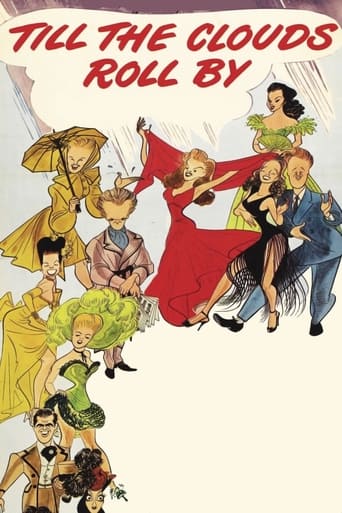
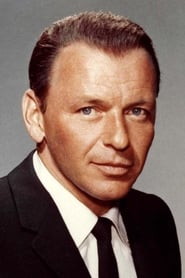
Frank Sinatra
Actor
Born: December 12, 1915 in Hoboken, New Jersey, USA Died: May 14, 1998 Active: 1935-1998 Birth Name: Francis Albert Sinatra
Films
4 films

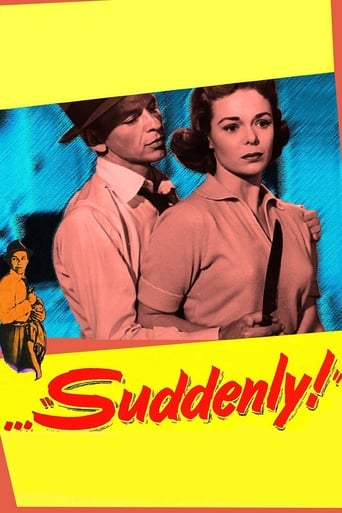
About Frank Sinatra
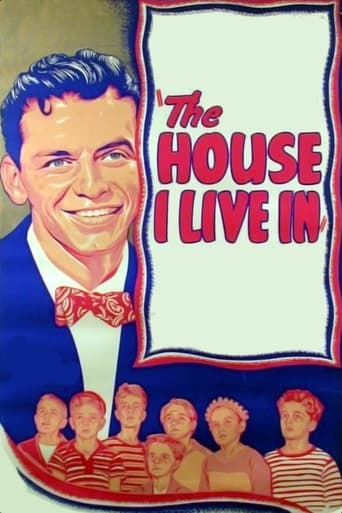
Frank Sinatra began his entertainment career as a big band singer in the 1930s with Harry James and Tommy Dorsey orchestras, becoming a teen idol known as 'The Voice.' His transition to film came in the early 1940s with appearances in musicals like 'Higher and Higher' (1943) and 'Step Lively' (1944). The mid-1940s marked his emergence as a serious actor with the Academy Award-winning short 'The House I Live In' (1945), which promoted religious tolerance. After a career slump in the late 1940s, Sinatra made a dramatic comeback with his Oscar-winning performance as Maggio in 'From Here to Eternity' (1953), establishing him as a legitimate dramatic actor. Throughout the 1950s, he balanced his singing career with increasingly complex film roles, including his performance as a heroin addict in 'The Man with the Golden Arm' (1955). His film career continued through the 1960s with roles in 'Ocean's 11' (1960) and 'The Manchurian Candidate' (1962), cementing his status as a dual-threat entertainer. Sinatra's final film appearances came in the 1980s, concluding a remarkable career that spanned five decades across multiple entertainment mediums.
The Craft
On Screen
Sinatra developed a naturalistic acting style that drew heavily from his musical background, using his understanding of rhythm and timing to inform his performances. His early roles often capitalized on his singing persona, but he evolved into a Method-influenced dramatic actor, particularly evident in 'The Man with the Golden Arm' where he portrayed drug addiction with raw intensity. Sinatra's screen presence was characterized by a cool, detached charisma mixed with underlying vulnerability, creating complex anti-heroic figures. He excelled at playing troubled, world-weary characters, bringing authenticity to roles that mirrored his own public persona of the tough but sensitive artist.
Milestones
- Academy Award-winning short film 'The House I Live In' (1945)
- Academy Award for Best Supporting Actor for 'From Here to Eternity' (1953)
- Golden Globe for Best Actor for 'The Man with the Golden Arm' (1955)
- Formation of the Rat Pack with Dean Martin, Sammy Davis Jr., and others
- Multiple Grammy Awards and induction into the Grammy Hall of Fame
- Kennedy Center Honors recipient (1983)
- Presidential Medal of Freedom recipient (1985)
Best Known For
Iconic Roles
Must-See Films
Accolades
Won
- Academy Award for Best Supporting Actor - 'From Here to Eternity' (1953)
- Academy Honorary Award (1970)
- Golden Globe Award for Best Actor - 'The Man with the Golden Arm' (1955)
- Golden Globe Cecil B. DeMille Award (1971)
- Golden Globe for Best Actor - 'Come Blow Your Horn' (1963)
- Special Achievement Award - 'The House I Live In' (1945)
- Jean Hersholt Humanitarian Award (1972)
- Multiple Grammy Awards including Album of the Year
Nominated
- Academy Award nomination for Best Actor - 'The Man with the Golden Arm' (1955)
- Academy Award nomination for Best Actor - 'The Manchurian Candidate' (1962)
- Multiple Golden Globe nominations throughout the 1950s-1970s
- BAFTA nominations for 'The Man with the Golden Arm' and 'From Here to Eternity'
Special Recognition
- Hollywood Walk of Fame Star (1960)
- Kennedy Center Honors (1983)
- Presidential Medal of Freedom (1985)
- Congressional Gold Medal (1997)
- Inducted into the Big Band and Jazz Hall of Fame (1980)
- Inducted into the New Jersey Hall of Fame (2008)
- AFI Life Achievement Award (1975)
Working Relationships
Worked Often With
Studios
Why They Matter
Impact on Culture
Frank Sinatra fundamentally transformed the concept of the entertainment superstar, becoming one of the first artists to successfully maintain parallel careers as both a recording artist and serious film actor. His portrayal of complex, often troubled characters in the 1950s helped pave the way for more realistic and psychologically complex protagonists in American cinema. The Rat Pack, which he led, defined cool for a generation and influenced everything from fashion to social behavior. Sinatra's films often addressed controversial topics like drug addiction ('The Man with the Golden Arm') and political assassination ('The Manchurian Candidate'), pushing the boundaries of what mainstream Hollywood films could explore. His persona combined Italian-American identity with universal themes of love, loss, and redemption, helping to break down ethnic barriers in popular culture.
Lasting Legacy
Sinatra's legacy in cinema extends far beyond his acting achievements, as he represents the pinnacle of the multi-talented entertainer who could dominate multiple mediums simultaneously. His Oscar-winning comeback in 'From Here to Eternity' set a precedent for career revitalization in Hollywood, while his willingness to tackle controversial subjects demonstrated the potential for commercial films to address serious social issues. The Rat Pack films he starred in created a template for ensemble heist movies that continues to influence filmmakers today. Sinatra's blend of musical and dramatic performance established a model that later entertainers like Barbra Streisand and Will Smith would follow. His recordings continue to be featured in films, maintaining a connection between his musical and cinematic legacies.
Who They Inspired
Sinatra influenced generations of actors through his naturalistic style and ability to convey deep emotion with minimal affectation. His success as a singer-turned-actor inspired countless musicians to pursue film careers, including Elvis Presley, David Bowie, and Lady Gaga. Directors like Martin Scorsese have cited Sinatra's screen presence and the films he appeared in as major influences on their understanding of American masculinity and urban storytelling. The Rat Pack's casual, improvisational style of performance influenced comedy and ensemble films for decades. Sinatra's business acumen, particularly his formation of Reprise Records, set a precedent for artists taking control of their own careers, a model followed by many entertainment figures who followed him.
Off Screen
Sinatra's personal life was as legendary as his professional career, marked by high-profile relationships, alleged mob connections, and a reputation as a Hollywood powerhouse. He was married four times, with his marriage to actress Ava Gardner being particularly tumultuous and well-publicized. Sinatra had three children with his first wife Nancy Barbato, all of whom pursued careers in entertainment. Known for his volatile temper and fierce loyalty, he maintained a close circle of friends known as the Rat Pack. His later years were spent with his fourth wife Barbara Marx, during which he became more reclusive but continued performing occasionally until his death.
Education
Sinatra left high school in Hoboken without graduating, attending only briefly before pursuing his music career full-time. He was largely self-taught in both music and acting, learning through experience and mentorship from industry professionals.
Family
- Nancy Barbato (1939-1951)
- Ava Gardner (1951-1957)
- Mia Farrow (1966-1968)
- Barbara Marx (1976-1998)
Did You Know?
- He was originally cast in 'On the Waterfront' (1954) but was forced to drop out after his agent failed to renew his contract
- He wore a hearing aid in his later years, a result of perforated eardrums from his childhood
- His voice was once insured for $1 million
- He was a close friend of President John F. Kennedy and performed at his inauguration
- He was banned from the MGM lot for years after punching a studio executive
- He recorded over 1,400 songs in his career
- His FBI file contained over 2,400 pages
- He was a passionate advocate for civil rights and refused to perform at segregated venues
- He owned the Cal-Neva Lodge at Lake Tahoe, which had a tunnel to Nevada to avoid California gambling laws
- His famous 'My Way' became
In Their Own Words
'I'm for anything that gets you through the night, be it prayer, tranquilizers, or a bottle of Jack Daniel's.' - On coping with life's difficulties
'The best revenge is massive success.' - Often quoted as his personal philosophy
'Alcohol may be man's worst enemy, but the bible says love your enemy.' - On his relationship with drinking
'I would like to be remembered as a man who had a wonderful time living life, a man who had good friends, fine family - and I don't think I could ask for anything more than that, really.' - On his legacy
'You gotta love livin', baby, 'cause dyin' is a pain in the ass.' - His outlook on life
Frequently Asked Questions
Who was Frank Sinatra?
American singer, with credits in this catalog. While primarily known for his singing career, he also had a significant impact as an actor, winning an Academy Award for Best Supporting Actor for 'From Here to Eternity' (1953) and starring in numerous classic films throughout the 1950s and 1960s.
What films is Frank Sinatra best known for?
Titles linked here include From Here to Eternity (1953), The Man with the Golden Arm (1955).
When was Frank Sinatra born and when did he die?
Born December 12, 1915; died May 14, 1998.
What awards did Frank Sinatra win?
Sinatra won the Academy Award for Best Supporting Actor for 'From Here to Eternity' (1953) and received an honorary Oscar in 1970. He also won multiple Golden Globe Awards, the Cecil B. DeMille Award, the Kennedy Center Honors, and the Presidential Medal of Freedom. His musical achievements include numerous Grammy Awards and induction into various halls of fame.
What was Frank Sinatra's acting style?
Sinatra developed a naturalistic acting style that evolved from his musical background, using rhythm and timing to inform his performances. He employed Method techniques for dramatic roles, particularly in 'The Man with the Golden Arm,' creating complex anti-heroic characters with his signature blend of cool detachment and underlying vulnerability.
How did Frank Sinatra impact cinema beyond his acting?
Beyond his performances, Sinatra revolutionized the concept of the entertainment superstar by maintaining successful parallel careers in music and film. He formed Reprise Records, giving artists more creative control, and led the Rat Pack, which defined cool for a generation and influenced ensemble films for decades. His willingness to tackle controversial subjects helped push boundaries in mainstream Hollywood cinema.