
Till the Clouds Roll By
"Broadway melodies on the MGM lot"
Keys: Space play/pause · ←/→ 10s · F fullscreen · M mute · </> speed
About this film
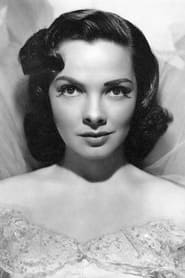
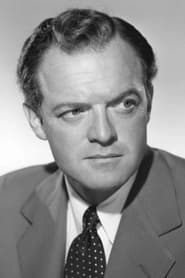
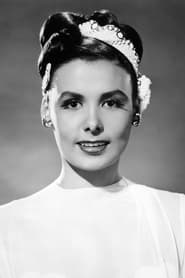
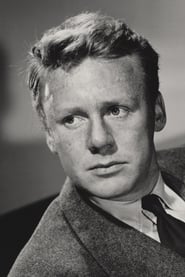
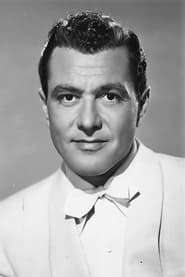
Metro-Goldwyn-Mayer's 1946 musical biography presents Jerome Kern's career through performances of his Broadway songs by Judy Garland, Frank Sinatra, Lena Horne, and others, including a condensed Show Boat sequence. Robert Walker plays Kern in the framing narrative directed by Richard Whorf.
Cast & crew
More Music films
View all →
More about this film
About the production
Release dateDecember 26, 1946
Budget$3,500,000
Box office$4,200,000 (domestic)
ProductionMetro-Goldwyn-Mayer
Filmed inMGM Studios, Culver City, California
The film was conceived as MGM's answer to the success of earlier composer biopics like Yankee Doodle Dandy. Production was complicated by the fact that Jerome Kern had died suddenly in 1945, so the film became a tribute to his legacy. The Show Boat segment alone cost over $500,000 and took weeks to film. Van Heflin was initially reluctant to play Kern, feeling he wasn't right for the role, but was persuaded by MGM executives. Judy Garland's performance of 'The Man That Got Away' was originally intended for but was cut and later used in A Star Is Born (1954).
Themes
Musical LegacyArtistic CreationAmerican Cultural IdentityLove and DevotionShow Business
Themes & topics
Historical background
Till the Clouds Roll By appeared as MGM celebrated its wartime songbook and veteran composers. Kern had died in 1945; the film functioned as both tribute and showcase for the studio's musical roster.
Why this film matters
Till the Clouds Roll By holds a special place in cinema history as one of the first major composer biopics and as a showcase of the MGM musical at its zenith. The film helped establish the template for musical biographies that would follow, blending dramatic storytelling with spectacular musical performances. Its preservation of Jerome Kern's work through performances by contemporary stars created a bridge between generations of musical theater enthusiasts. The film's Show Boat segment is particularly significant as it represents one of the earliest attempts to capture a Broadway musical on film with substantial fidelity to the original production. The movie also exemplifies the studio system at its peak, demonstrating how MGM could marshal its resources to create unprecedented entertainment spectacles. Its influence can be seen in later composer biopics and in the way Hollywood treated Broadway material. The film remains an important document of American popular culture, preserving both Kern's musical legacy and the performance styles of MGM stars.
Making of
The production of Till the Clouds Roll By was marked by both artistic ambition and personal tragedy. Jerome Kern had been actively involved in planning the film with MGM before his sudden death, which transformed the project from a celebration to a memorial. Director Richard Whorf, himself a former actor and composer, brought unique insight to the material. The film's most elaborate sequence, the Show Boat segment, required massive sets and hundreds of extras, recreating the famous musical with unprecedented detail. MGM pulled out all stops, casting nearly every major musical star under contract, creating what was essentially a variety show wrapped in a biographical framework. The production faced challenges in balancing the dramatic elements with the musical numbers, leading to multiple script revisions. Several scenes were cut after preview screenings, including some performances that have since become lost footage. The film's premiere was a major Hollywood event, attended by many of Kern's contemporaries and collaborators from Broadway's golden age.
What critics said
Critics admired individual numbers, especially Horne's "Can't Help Lovin' Dat Man," while finding the biographical frame thin. The picture remains a reference for how Hollywood packaged composer retrospectives in the 1940s.
Did you know?
- Jerome Kern died suddenly of a cerebral hemorrhage on November 11, 1945, at age 60, before the film was completed, making it a posthumous tribute to his work.
- The film features 29 of Kern's songs, more than any other film biography of a composer.
- Frank Sinatra was originally offered the role of Jerome Kern but turned it down, leading to Van Heflin's casting.
- Judy Garland's performance of 'The Last Time I Saw Paris' was filmed while she was pregnant with her first child, Liza Minnelli.
- The Show Boat segment features an exact replica of the original Broadway set designs, supervised by Kern himself before his death.
- Angela Lansbury makes her film debut in this movie, though her scenes were later cut in some releases.
- The film's title comes from the song 'Till the Clouds Roll By' from Kern's 1917 musical Oh, Boy!
- MGM spent a record amount on color film stock for this production, making it expensive musicals of 1946.
- The film was one of the first to use stereophonic sound for its musical numbers, though this was only available in select theaters.
- Kern's widow, Eva Kern, served as a technical consultant on the film and approved all aspects of the production.
Awards & recognition
- Academy Award for Best Music, Scoring of a Musical Picture (Lennie Hayton) - Nominee
- Academy Award for Best Original Song ('All Through the Day') - Nominee
Visual style
The cinematography of Till the Clouds Roll By, handled by Harold Rosson and Robert Planck, represents the Technicolor process at its most vibrant. The film employs rich, saturated colors that enhance the spectacle of the musical numbers, particularly in the Show Boat sequence. The camera work ranges from intimate close-ups during the dramatic scenes to sweeping movements during the production numbers. The cinematographers used innovative techniques for the time, including complex tracking shots during musical sequences and careful lighting to flatter the star performers. The visual style shifts between the more naturalistic approach for the biographical scenes and the theatrical, heightened reality of the musical performances. The film's visual design reflects the MGM aesthetic of the period, with careful attention to composition and color harmony. The cinematography successfully captures both the glamour of Hollywood and the theatricality of Broadway, creating a visual feast that was characteristic of the studio's biggest productions.
Innovations
Till the Clouds Roll By showcased several technical innovations for its time. The film utilized advanced Technicolor processes that allowed for greater color fidelity and saturation than earlier color films. For the musical sequences, MGM employed early forms of multitrack recording to capture the performances with exceptional audio quality. The Show Boat segment featured some of the most complex camera movements of its era, including elaborate crane shots that moved seamlessly through the massive sets. The film also experimented with stereophonic sound in select theaters, providing audiences with an enhanced audio experience for the musical numbers. The production design incorporated new techniques in creating realistic water effects for the Show Boat sequences. The film's makeup and costume departments developed new methods for creating period-accurate looks that photographed well in Technicolor. These technical achievements contributed to the film's reputation as one of MGM's most ambitious productions of the 1940s.
Music
The soundtrack of Till the Clouds Roll By is essentially a comprehensive survey of Jerome Kern's most celebrated compositions, spanning his entire career. The film features 29 songs, including classics like 'Ol' Man River,' 'The Last Time I Saw Paris,' 'Smoke Gets in Your Eyes,' 'A Fine Romance,' and 'The Way You Look Tonight.' The musical arrangements were overseen by Lennie Hayton, who adapted Kern's original compositions for the film's various performers. Each star brings their distinctive style to the material: Judy Garland delivers emotional depth to 'The Last Time I Saw Paris,' June Allyson brings youthful energy to 'Look for the Silver Lining,' and Frank Sinatra's smooth interpretation of 'Ol' Man River' became one of the film's highlights. The Show Boat segment features a condensed version of the musical's greatest hits, maintaining the original orchestrations while adapting them for film. The soundtrack serves not only as entertainment but as a historical document, preserving performances of Kern's work by some of the greatest interpreters of American popular song.
Famous quotes
Music is the universal language of mankind.
A song without heart is just noise.
The melody lingers on, long after the performance ends.
In America, we don't just write songs, we write history.
Every great song tells a story that touches the human heart.
Memorable scenes
- The elaborate Show Boat sequence featuring 'Ol' Man River' with the massive riverboat set and hundreds of performers
- Judy Garland's emotional performance of 'The Last Time I Saw Paris' in a simple, intimate setting
- Frank Sinatra's smooth rendition of 'The Way You Look Tonight' under moonlight
- The opening number 'Till the Clouds Roll By' with the full MGM chorus
- Van Heflin as Jerome Kern at the piano, composing 'Look for the Silver Lining' during a moment of despair
What audiences thought
Audiences in 1946 responded enthusiastically to Till the Clouds Roll By, making it a moderate box office success. The film's appeal lay primarily in its star power and the opportunity to see multiple musical favorites in one production. Moviegoers particularly enjoyed the all-star musical numbers and the lavish production values that MGM was famous for. The Show Boat segment was especially popular with audiences, many of whom had never seen the original Broadway production. While the film didn't achieve the blockbuster status of some other MGM musicals of the era, it found a loyal audience among fans of both Jerome Kern's music and the MGM roster of stars. Over the decades, the film has developed a cult following among musical theater enthusiasts and classic film fans who appreciate its historical significance and the rare opportunity to see so many performers in one production.
Film connections
Influenced by
- Yankee Doodle Dandy (1942)
- The Great Ziegfeld (1936)
- Broadway Melody of 1936
- This Is the Army (1943)
This film influenced
- Words and Music (1948)
- Three Little Words (1950)
- Deep in My Heart (1954)
- The Glenn Miller Story (1954)
Film restoration
Till the Clouds Roll By has been preserved by the MGM library and is currently held in the Warner Bros. archive. The original Technicolor negatives have survived and the film has been restored for home video release. Some cut footage, including Angela Lansbury's scenes and alternate takes of musical numbers, remains lost. The film exists in complete form and has been digitally remastered for Blu-ray and streaming platforms. The restoration work has preserved the vibrant Technicolor photography and improved the audio quality of the musical performances.
Where to watch
- Warner Archive Collection Blu-ray
- Amazon Prime Video (for purchase/rent)
- Apple TV
- Google Play Movies
- Vudu
- TCM (Turner Classic Movies) - periodic broadcasts
- The Criterion Channel (occasionally featured)