
Lucille Bremer
Actor
Born: February 21, 1917 in Amsterdam, New York, USA Died: April 16, 1996 Active: 1944-1948
Films
1 film
About Lucille Bremer
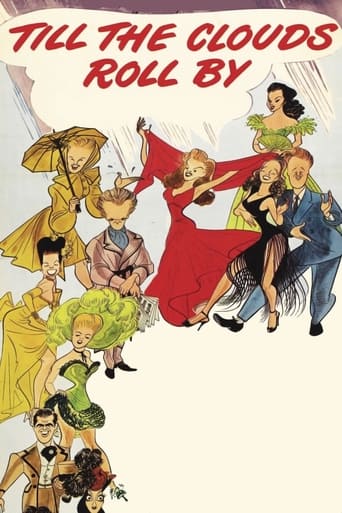
American actress and dancer: Hollywood career, though brief, left a memorable mark on the golden age of musical cinema. Born in 1917, she began her career as a Radio City Music Hall Rockette before being discovered by MGM producer Arthur Freed. Her breakthrough came when she was cast opposite Fred Astaire in the lavish musical 'Yolanda and the Thief' (1945), followed by a memorable appearance in 'Ziegfeld Follies' (1946). Bremer's most significant role was as Jerome Kern's daughter in the biographical musical 'Till the Clouds Roll By' (1946), where she showcased both her acting and dancing talents. Despite her promising start and striking beauty, her film career was short-lived, spanning only from 1944 to 1948. After leaving Hollywood, she married Mexican millionaire Abelardo L. Rodriguez and largely withdrew from public life. Her legacy remains that of a talented performer who captured the glamour and artistry of MGM's golden age musicals, even if her time in the spotlight was tragically brief.
The Craft
On Screen
Lucille Bremer possessed a graceful and elegant acting style that complemented her exceptional dancing abilities. Her performances were characterized by a refined sophistication and poise, perfectly suited to the opulent musical productions of MGM's golden age. While not a method actor in the modern sense, she brought a natural charm and authenticity to her roles, particularly in musical sequences where her dance background allowed her to move with fluidity and grace. Her screen presence was ethereal and dreamlike, making her ideal for the fantasy elements in films like 'Yolanda and the Thief.' Critics noted her ability to convey emotion through movement as much as through dialogue, proof of her dance training.
Milestones
- Discovered by Arthur Freed while dancing as a Rockette at Radio City Music Hall
- Starred opposite Fred Astaire in 'Yolanda and the Thief' (1945)
- Appeared in MGM's prestigious 'Ziegfeld Follies' (1946)
- Played Jerome Kern's daughter in 'Till the Clouds Roll By' (1946)
- Featured in the lavish Technicolor musical 'Adventures of Casanova' (1948)
Best Known For
Iconic Roles
Must-See Films
Working Relationships
Worked Often With
Studios
Why They Matter
Impact on Culture
Lucille Bremer represents the archetype of the Hollywood star who burned brightly but briefly during the golden age of MGM musicals. Her work in the mid-1940s captured the peak of Hollywood's musical extravagance, appearing in some of the most lavish productions of the era. Though her filmography is small, her performances in 'Yolanda and the Thief' and 'Ziegfeld Follies' are studied by film historians as examples of the pinnacle of Hollywood musical artistry. Her decision to leave Hollywood for marriage also reflected the era's expectations for women in entertainment, where marriage often meant career sacrifice. Today, she is remembered by classic film enthusiasts as a symbol of the glamour and artistry of 1940s musical cinema, with her surviving films serving as time capsules of Hollywood's golden age.
Lasting Legacy
Lucille Bremer's legacy endures primarily through her surviving film performances, which continue to be showcased on Turner Classic Movies and preserved by film archives. Her work in MGM's prestigious musical productions places her among the notable performers of Hollywood's golden age, even though her career was brief. Film historians and classic cinema enthusiasts often cite her as an example of the many talented performers who contributed to Hollywood's golden age but whose careers were cut short by the changing times or personal choices. Her films, particularly those with Fred Astaire, remain important artifacts of the musical genre's evolution. Bremer's story also serves as a reminder of the transient nature of Hollywood fame and the personal choices that shaped the careers of many performers during the studio system era.
Who They Inspired
While Lucille Bremer's brief career limited her direct influence on subsequent generations of performers, her work in MGM musicals contributed to the evolution of the Hollywood musical genre. Her performances alongside Fred Astaire helped maintain the standard of excellence in dance musicals during the mid-1940s. Her graceful style and technical proficiency in dance sequences set a benchmark for musical performers of her era. Though she didn't mentor others directly in the film industry, her recorded performances continue to inspire dancers and musical theater performers who study the techniques and artistry of Hollywood's golden age. Her career trajectory also influenced how the industry viewed the sustainability of musical stars in the changing post-war Hollywood landscape.
Off Screen
Lucille Bremer's personal life took a dramatic turn after her brief Hollywood career. In 1948, she married Abelardo L. Rodriguez, son of former Mexican President Abelardo L. Rodriguez, effectively ending her film career. The couple had two children together, and Bremer embraced her role as a wealthy socialite, dividing her time between Mexico and the United States. Her marriage to Rodriguez lasted until his death in 1973. Later in life, she married Thomas W. M. Smith. Bremer largely avoided the spotlight after leaving Hollywood, rarely giving interviews about her film career. She spent her later years in California, maintaining a quiet life away from the entertainment industry until her death from cancer in 1996 at age 79.
Education
Limited information available, but she received dance training that qualified her for the Radio City Music Hall Rockettes
Family
- Abelardo L. Rodriguez (1948-1973)
- Thomas W. M. Smith (1979-1996)
Did You Know?
- She was discovered by Arthur Freed while performing as a Rockette at Radio City Music Hall
- MGM initially promoted her as their next big star, giving her a lavish contract and extensive publicity
- She was considered for the lead in 'The Harvey Girls' (1946) but lost the role to Judy Garland
- Her film 'Yolanda and the Thief' was
- She was nicknamed 'The American Venus' by the press due to her striking beauty
- Despite her brief career, she worked with some of Hollywood's biggest names including Fred Astaire, Judy Garland, and Frank Sinatra
- Her decision to leave Hollywood was considered unusual at the time, as she was at the peak of her potential career
- She rarely gave interviews about her Hollywood career after retiring, maintaining privacy about her time in films
- Her films were shot in the then-new Technicolor process, showcasing the vibrant colors that defined MGM musicals
- She was one of the last performers to be personally mentored by Arthur Freed during his golden period at MGM
In Their Own Words
I was very fortunate to work with the best in the business. Fred Astaire was a genius, and working with him was like attending a master class in perfection.
Hollywood was a wonderful experience, but my heart was always in creating a family life. I don't regret my choices.
Being a Rockette taught me discipline and precision - skills that served me well when I transitioned to films.
Frequently Asked Questions
Who was Lucille Bremer?
American actress and dancer who had a brief but notable career in Hollywood during the mid-1940s, primarily known for her work in MGM musicals alongside Fred Astaire and other stars of the golden age.
What films is Lucille Bremer best known for?
Titles linked here include Yolanda and the Thief (1945), Ziegfeld Follies (1946).
When was Lucille Bremer born and when did she die?
Born February 21, 1917; died April 16, 1996.
Why did Lucille Bremer's career end so quickly?
Her career ended abruptly in 1948 when she married Mexican millionaire Abelardo L. Rodriguez, choosing to leave Hollywood for a life as a wealthy socialite and mother rather than continuing in films.
What was Lucille Bremer's acting and dancing style?
Bremer was known for her graceful, elegant style that combined sophisticated acting with exceptional dancing ability, perfectly suited to the opulent musical productions of MGM's golden age.
Did Lucille Bremer win any awards for her performances?
Despite her notable performances, Lucille Bremer did not receive any major awards or nominations during her brief Hollywood career, which spanned only four years.
How was Lucille Bremer discovered by Hollywood?
She was discovered by MGM producer Arthur Freed while performing as a Rockette at Radio City Music Hall, leading to her contract with MGM and subsequent film career.