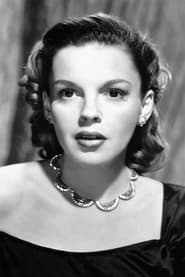
Judy Garland
Actor
Born: June 10, 1922 in Grand Rapids, Minnesota, USA Died: June 22, 1969 Active: 1929-1969 Birth Name: Frances Ethel Gumm
Films
2 films
About Judy Garland
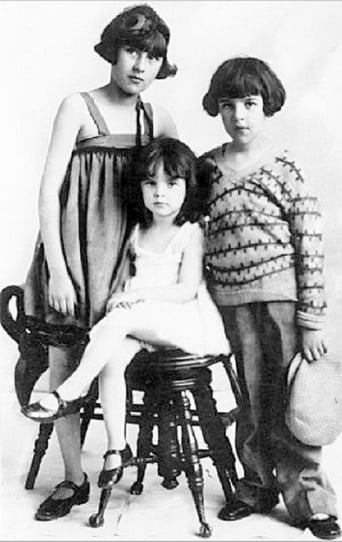
Judy Garland, born Frances Ethel Gumm, was beloved and talented entertainers of the Golden Age of Hollywood, beginning her career as a child performer in vaudeville with her sisters as The Gumm Sisters. She was signed to MGM in 1935 at age 13, quickly becoming one of the studio's biggest stars with her breakthrough role as Dorothy in 'The Wizard of Oz' (1939), which featured her rendition of 'Over the Rainbow.' Throughout the 1940s, she starred in numerous musical hits including 'Meet Me in St. Louis' (1944), 'The Harvey Girls' (1946), and 'Easter Parade' (1948), often paired with Mickey Rooney and later Gene Kelly. Despite her professional success, Garland struggled with personal issues including substance abuse and mental health challenges, exacerbated by studio pressure and the use of amphetamines to control her weight. She made a triumphant comeback with 'A Star Is Born' (1954), earning an Academy Award nomination for Best Actress, though her career declined afterward due to reliability issues. Her final years included successful concert tours, a television series, and her performance at Carnegie Hall in 1961, which is considered one of the greatest nights in entertainment history. Garland died tragically at age 47 from an accidental barbiturate overdose, leaving behind a legacy as one of the greatest vocalists and performers of the 20th century.
The Craft
On Screen
Judy Garland was known for her naturalistic emotional depth and ability to convey vulnerability through song and performance. Her acting style combined vaudevillian timing with genuine emotional authenticity, particularly excelling in musical numbers where she seamlessly blended acting and singing. She had a unique ability to make audiences feel her characters' joys and sorrows, often bringing tears to viewers' eyes with her heartfelt renditions of ballads. Her performances were characterized by their raw honesty and the way she could switch from comedic timing to dramatic intensity within moments.
Milestones
- Starred as Dorothy in 'The Wizard of Oz' (1939)
- Won Academy Juvenile Award in 1940
- Received Academy Award nomination for 'A Star Is Born' (1954)
- Recorded bestselling album 'Judy at Carnegie Hall' (1961)
- Received Golden Globe for 'A Star Is Born' (1954)
- Starred in 'Meet Me in St. Louis' (1944)
- Performed at the Academy Awards multiple times
- Had her own television series 'The Judy Garland Show' (1963-64)
Best Known For
Iconic Roles
Must-See Films
Accolades
Won
- Academy Juvenile Award (1940)
- Golden Globe Award for Best Actress in a Motion Picture - Musical or Comedy (1955)
- Special Tony Award (1952)
- Grammy Lifetime Achievement Award (1997, posthumous)
- Cecil B. DeMille Award (1968, posthumously accepted by Liza Minnelli)
Nominated
- Academy Award for Best Actress for 'A Star Is Born' (1955)
- Academy Award for Best Actress for 'Judgment at Nuremberg' (1962)
- Golden Globe nominations for 'The Wizard of Oz' (1940)
- Golden Globe nomination for 'I Could Go On Singing' (1964)
- Emmy Award nomination for 'The Judy Garland Show' (1964)
Special Recognition
- Hollywood Walk of Fame star (1960)
- AFI's Greatest American Female Screen Legends - Ranked #8 (1999)
- Inducted into the Grammy Hall of Fame for multiple recordings
- United States Postal Service commemorative stamp (2006)
- Smithsonian National Portrait Gallery portrait
Working Relationships
Worked Often With
Studios
Why They Matter
Impact on Culture
Judy Garland transcended mere stardom to become a cultural icon whose influence extends far beyond cinema. Her portrayal of Dorothy in 'The Wizard of Oz' created. Garland became particularly beloved within the LGBTQ+ community, with the term 'friend of Dorothy' originating from her role and becoming code for gay men in the mid-20th century. Her struggles with addiction, mental health, and the pressures of fame made her a symbol of both the dark side of Hollywood stardom and the resilience of the human spirit. Her concert performances, especially the 1961 Carnegie Hall show, set new standards for live entertainment and demonstrated her unparalleled ability to connect with audiences through raw emotional honesty.
Lasting Legacy
Judy Garland's legacy encompasses her contributions to film, music, and popular culture as one of the greatest entertainers of the 20th century. Her vocal performances, characterized by their emotional depth and technical precision, influenced generations of singers from Barbra Streisand to Lady Gaga. Her film work helped define the Hollywood musical genre, with movies like 'Meet Me in St. Louis' and 'The Wizard of Oz' remaining cultural touchstones decades after their release. The tragic circumstances of her life and early death have made her a cautionary tale about the price of fame while also cementing her status as a beloved figure who triumphed over adversity. Her children, particularly Liza Minnelli, have continued her artistic legacy, ensuring that the Garland name remains synonymous with entertainment excellence.
Who They Inspired
Garland's influence on entertainment is immeasurable, with her vocal style combining jazz, blues, and traditional pop elements that created a template for popular singing. Her naturalistic acting style influenced generations of musical performers who sought to bring authenticity to their roles. Many contemporary artists cite her as a major influence, including Barbra Streisand, Elton John, Cher, and Lady Gaga, who has often referenced Garland in her work and performances. Her ability to convey deep emotion through song set a standard that became the benchmark for musical performance in both film and live entertainment. The way she integrated personal vulnerability into her professional performances created a new paradigm for celebrity authenticity that continues to influence how artists connect with audiences today.
Off Screen
Judy Garland's personal life was marked by tremendous success and profound struggle. She married five times and had three children, Liza Minnelli, Lorna Luft, and Joey Luft, all of whom entered show business. Her marriages were often turbulent, particularly her union with director Vincente Minnelli and later Sidney Luft. Garland battled with addiction to prescription drugs and alcohol throughout her adult life, largely stemming from MGM's practice of providing amphetamines and barbiturates to young performers to control weight and energy. Despite these challenges, she maintained a close relationship with her children and was known for her generosity and loyalty to friends. Her financial difficulties were legendary, often owing millions in back taxes while simultaneously earning enormous sums for her performances.
Education
Limited formal education due to early entry into show business; tutored on studio lots while under contract to MGM
Family
- David Rose (1941-1944)
- Vincente Minnelli (1945-1951)
- Sidney Luft (1952-1965)
- Mark Herron (1965-1969)
- Mickey Deans (1969-1969)
Did You Know?
- She was originally cast as the lead in 'The Valley of the Dolls' but was fired after showing up late and forgetting lines
- Her famous ruby slippers from 'The Wizard of Oz' sold at auction for $15 million in 2012
- She performed at President John F. Kennedy's inaugural gala in 1961
- The phrase 'Friend of Dorothy' became gay slang in the 1950s, referring to her status as a gay icon
- She was the first woman to win the Grammy Lifetime Achievement Award
- Her 1961 Carnegie Hall concert album spent 95 weeks on the Billboard charts
- She was nominated for the Nobel Peace Prize in 1968 for her humanitarian work
- Her funeral in New York City drew over 20,000 mourners to the streets
- She never received a high school diploma due to her early career
- Her voice spanned three octaves and she could sing in both contralto and soprano ranges
In Their Own Words
Always be a first-rate version of yourself, instead of a second-rate version of somebody else.
For it was not into my ear you whispered, but into my heart. It was not my lips you kissed, but my soul.
I can live without money, but I cannot live without love.
I'm a woman who wants to reach out and take 40 million people in her arms.
In the silence of night I have often wished for just a few words of love from one man, rather than the applause of thousands of people.
I've always taken 'The Wizard of Oz' very seriously, you know. I believe in the idea of the rainbow. And I've spent my entire life trying to get over it.
Behind every cloud is another cloud.
Frequently Asked Questions
Who was Judy Garland?
Judy Garland was. Born Frances Ethel Gumm, she achieved eternal fame as Dorothy in 'The Wizard of Oz' and became a beloved figure in both film and music throughout her career.
What films is Judy Garland best known for?
Titles linked here include The Wizard of Oz (1939), Meet Me in St. Louis (1944).
When was Judy Garland born and when did she die?
Born June 10, 1922; died June 22, 1969.
What awards did Judy Garland win?
Garland won an Academy Juvenile Award in 1940, a Golden Globe for 'A Star Is Born' in 1955, a Special Tony Award in 1952, and a posthumous Grammy Lifetime Achievement Award in 1997. She also received two Academy Award nominations for Best Actress.
What was Judy Garland's acting style?
Garland's acting style was characterized by emotional authenticity and naturalism, particularly excelling at conveying vulnerability and heartfelt emotion. She seamlessly integrated her singing into her performances, creating a unique blend of musical and dramatic talent that made her characters feel genuinely relatable and human.
How did Judy Garland influence popular culture?
Garland became a cultural icon, especially within the LGBTQ+ community, and her rendition of 'Over the Rainbow' remains. Her struggles with fame and addiction made her a symbol of both Hollywood's dark side and personal resilience, influencing countless artists who followed.
What was Judy Garland's relationship with MGM studios?
Garland was under contract with MGM from 1935 to 1950, where she became one of their biggest stars but also suffered from the studio's harsh practices, including being given amphetamines to control her weight. The studio fired her in 1950 due to reliability issues stemming from her health problems and drug dependency.