Van Johnson
Actor
Born: August 25, 1916 in Newport, Rhode Island, USA Died: December 12, 2008 Active: 1942-1992 Birth Name: Charles Van Dell Johnson
Films
4 films
About Van Johnson
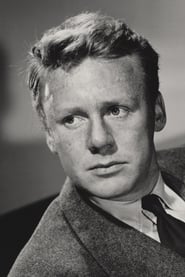
Van Johnson, born Charles Van Dell Johnson, rose from humble beginnings as a Broadway chorus boy to become one of MGM's most reliable and popular leading men during the Golden Age of Hollywood. Discovered by a talent scout while performing in the musical 'New Faces of 1936,' Johnson signed with MGM in 1942 and quickly became the studio's quintessential boy-next-door, known for his red hair, freckles, and affable demeanor. His career received a significant boost when many established stars went to serve in World War II, leaving Johnson to fill leading roles in major productions. He starred in numerous wartime dramas, musicals, and romantic comedies throughout the 1940s and 1950s, often playing the wholesome American hero. Johnson's career peaked in the early 1950s with memorable performances in films like 'The Caine Mutiny' and 'Brigadoon.' After his MGM contract ended, he transitioned to television and stage work, appearing in Broadway productions and touring shows well into his later years. Johnson's over four decades, leaving an indelible mark on classic Hollywood cinema as one of its most dependable and beloved character actors.
The Craft
On Screen
Van Johnson was known for his natural, understated acting style that emphasized authenticity and relatability. He possessed a unique ability to convey both vulnerability and strength, often portraying the everyday American hero with whom audiences could easily identify. His performances were characterized by a warm, approachable demeanor and a subtle emotional range that made him particularly effective in both dramatic and romantic roles. Johnson's acting technique eschewed theatricality in favor of a more realistic, conversational approach that helped define the naturalistic style of Hollywood's Golden Age.
Milestones
- Signed with MGM in 1942
- Starred in 'The Human Comedy' (1943)
- Breakthrough role in 'A Guy Named Joe' (1943)
- Critical acclaim in 'The Caine Mutiny' (1954)
- Starred in musical 'Brigadoon' (1954)
- Received Hollywood Walk of Fame star in 1960
- Successful transition to Broadway in the 1960s
- Final film appearance in 'The Price of Heaven' (1992)
Best Known For
Iconic Roles
Must-See Films
Accolades
Won
- Photoplay Award for Most Popular Male Star (1945)
- Theatre World Award for 'The Music Man' (1963)
Nominated
- Golden Globe Award for Best Actor – Motion Picture Drama for 'The Caine Mutiny' (1955)
- Laurel Award for Top Male Dramatic Performance (1955)
Special Recognition
- Star on the Hollywood Walk of Fame (1560 Vine Street, dedicated February 8, 1960)
- Honored by the American Film Institute as one of classic Hollywood's enduring stars
Working Relationships
Worked Often With
Studios
Why They Matter
Impact on Culture
Van Johnson represented the ideal American male during World War II and the immediate post-war period, embodying the values of courage, decency, and patriotism that resonated deeply with audiences of his era. His films often served as morale boosters during wartime and helped shape the public's perception of the American soldier and hero. Johnson's accessible, boy-next-door image made him a relatable figure for millions of moviegoers, and his performances in both dramatic and musical roles demonstrated the versatility expected of leading men during Hollywood's Golden Age. His success helped establish the template for the all-American leading man that would influence casting decisions for decades to come.
Lasting Legacy
Van Johnson's legacy endures as one of Hollywood's most reliable and beloved character actors, whose filmography spans some of the most significant years of American cinema. His body of work, particularly his wartime films and musicals, remains an important record of Hollywood's contribution to American culture during the 1940s and 1950s. Johnson's ability to transition seamlessly between drama, comedy, and musical genres demonstrated the range expected of classic Hollywood stars, while his enduring popularity in television reruns and classic film festivals continues to introduce new generations to his work. As a representative of MGM's golden era, Johnson's career shows the studio system's ability to create and sustain movie stars who could connect with audiences across multiple decades.
Who They Inspired
Van Johnson influenced subsequent generations of actors through his naturalistic acting style and his ability to maintain authenticity while working within the studio system. His approach to character development, particularly in portraying everyday heroes, provided a model for actors seeking to balance commercial appeal with artistic integrity. Johnson's success in both dramatic and musical roles demonstrated the importance of versatility for leading men in Hollywood, a lesson that continues to be relevant today. His professional conduct and longevity in the industry also set an example for maintaining a sustainable career in show business.
Off Screen
Van Johnson led a relatively private personal life despite his immense popularity during Hollywood's Golden Age. He married Eve Lynne Abbott in 1947, a union that lasted 21 years before ending in divorce in 1968. The couple had one daughter together, Schuyler Johnson, who would later become his caretaker in his final years. Johnson never remarried after his divorce and remained single for the rest of his life. He was known for his professionalism on set and maintained good relationships with his co-stars throughout his career. In his later years, Johnson lived in Nyack, New York, where he enjoyed a quiet retirement away from the Hollywood spotlight, occasionally appearing in television interviews and documentaries about classic cinema.
Education
Attended Pawtucket, Rhode Island public schools; studied dance and drama at local studios before moving to New York City to pursue Broadway career
Family
- Eve Lynne Abbott (1947-1968)
Did You Know?
- Was originally cast as Dorothy Gale's love interest in 'The Wizard of Oz' but the role was cut
- Suffered a serious car accident in 1943 that left him with a metal plate in his head
- Was one of the few major stars of his era to serve in the military during WWII (Army Air Forces)
- His red hair and freckles became his trademark features, often highlighted in publicity materials
- Was a close friend of fellow MGM star Elizabeth Taylor
- Appeared in over 100 films and television shows during his career
- Was a skilled dancer who performed his own dance numbers in musical films
- His popularity in Japan led to numerous film offers from Japanese studios in the 1950s
- Was considered for the role of Ashley Wilkes in 'Gone with the Wind' before losing to Leslie Howard
- Turned down the lead role in 'From Here to Eternity' (1953) which went to Montgomery Clift
In Their Own Words
I was never a great actor, but I was a reliable one. I showed up on time, knew my lines, and gave the directors what they wanted.
Hollywood in the 1940s was like a factory. We made movies the way Ford made cars - one right after another.
I was lucky to be at MGM when I was. They needed leading men, and I was there at the right time.
The secret to longevity in this business is simple: be professional, be reliable, and don't take yourself too seriously.
Frequently Asked Questions
Who was Van Johnson?
Popular American with credits in this catalog. He starred in numerous films including war dramas, musicals, and romantic comedies, becoming famous for his boy-next-door image and red-haired, freckled appearance.
What films is Van Johnson best known for?
Titles linked here include The Human Comedy (1943), A Guy Named Joe (1943).
When was Van Johnson born and when did he die?
Born August 25, 1916; died December 12, 2008.
What awards did Van Johnson win?
Van Johnson received a Photoplay Award for Most Popular Male Star in 1945 and won a Theatre World Award for his Broadway performance in 'The Music Man' in 1963. He was also nominated for a Golden Globe for his role in 'The Caine Mutiny' and received a star on the Hollywood Walk of Fame in 1960.
What was Van Johnson's acting style?
Van Johnson was known for his natural, understated acting style that emphasized authenticity and relatability. He portrayed characters with warmth and approachability, often playing the everyday American hero with whom audiences could easily identify. His style was conversational and realistic, avoiding theatricality in favor of genuine emotion.