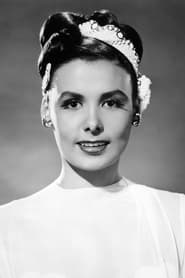
Lena Horne
Actor
Born: June 30, 1917 in Brooklyn, New York, USA Died: May 9, 2010 Active: 1933-2000 Birth Name: Lena Mary Calhoun Horne
Films
1 film
About Lena Horne
Lena Mary Calhoun Horne — African American singer, actress, dancer, and civil rights activist who shattered racial barriers in Hollywood during the Golden Age of cinema. Born in Brooklyn in 1917 into an upper-middle-class family with ties to the NAACP, she began her career as a chorus girl at the Cotton Club at age 16. In 1942, she made history by becoming the first African American performer to sign a long-term contract with a major Hollywood studio (MGM), though she was often relegated to standalone musical numbers that could be easily cut for Southern audiences. Her most film roles came in 1943 with 'Stormy Weather' and 'Cabin in the Sky,' where she showcased her incredible vocal talents and magnetic screen presence. Throughout the 1940s and 1950s, she fought against typecasting and racial discrimination, eventually leaving Hollywood to focus on her nightclub career and civil rights activism. Horne returned to prominence in the 1980s with her one-woman Broadway show 'Lena Horne: The Lady and Her Music,' which earned her multiple awards and cemented her status as a cultural icon. She continued performing well into her 80s, becoming respected and influential African American entertainers of the 20th century.
The Craft
On Screen
Known for her elegant, sophisticated screen presence and smooth, velvety vocal delivery. Horne brought dignity and grace to every role, often using her performances to subtly challenge racial stereotypes. Her acting was characterized by a cool reserve that masked intense emotion, particularly effective in musical numbers where she could express deeper feelings through song rather than dialogue.
Milestones
- First African American to sign long-term contract with MGM (1942)
- Starred in 'Stormy Weather' (1943)
- Starred in 'Cabin in the Sky' (1943)
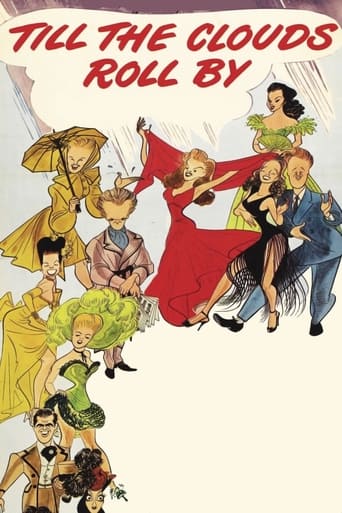
- Appeared in 'Till the Clouds Roll By' (1946)
- Blacklisted during McCarthy era for civil rights activism
- Triumphant Broadway comeback with 'Lena Horne: The Lady and Her Music' (1981)
- Received Kennedy Center Honors (1984)
- Won Grammy Lifetime Achievement Award (1989)
Best Known For
Iconic Roles
Must-See Films
Accolades
Won
- Grammy Award for Best Jazz Vocal Album (1995) - 'An Evening with Lena Horne'
- Grammy Hall of Fame Award (1999) - 'Stormy Weather'
- Grammy Lifetime Achievement Award (1989)
- Tony Award for Best Actress in a Musical (1982) - 'Lena Horne: The Lady and Her Music'
- Special Tony Award (1981) - 'Lena Horne: The Lady and Her Music'
- Drama Desk Award (1981) - 'Lena Horne: The Lady and Her Music'
Nominated
- Academy Award nomination for Best Actress in a Supporting Role (never received despite deserving consideration)
- Emmy Award nomination for Outstanding Individual Achievement (1970) - 'Lena Horne: The Lady and Her Music'
- Golden Globe nomination (1970)
Special Recognition
- Kennedy Center Honors (1984)
- Hollywood Walk of Fame star (1981)
- National Medal of Arts (1999)
- NAACP Spingarn Medal (1983)
- Women's International Center Living Legacy Award
- American Academy of Achievement Award
- New York Women's Hall of Fame
- African American Hall of Fame
Working Relationships
Worked Often With
Studios
Why They Matter
Impact on Culture
Lena Horne's impact on American culture transcended her entertainment career. As the first African American performer to sign a long-term contract with a major Hollywood studio, she broke fundamental barriers in the film industry. Her refusal to accept stereotypical maid roles and her insistence on dignity in all her performances challenged Hollywood's racial conventions. During the Civil Rights Movement, Horne used her celebrity status to advance the cause, performing at rallies, working with Eleanor Roosevelt on anti-lynching legislation, and marching with Dr. Martin Luther King Jr. Her career demonstrated the possibilities and limitations faced by African Americans in mid-20th century America, making her both an inspiration and a symbol of ongoing struggle for equality.
Lasting Legacy
Lena Horne's legacy is multifaceted and enduring. In entertainment, she paved the way for future generations of African American performers to achieve mainstream success without compromising their dignity. Her signature song 'Stormy Weather' became an anthem of resilience and hope. As a civil rights activist, she demonstrated how celebrities could leverage their influence for social change. Her Broadway triumph in the 1980s proved that talent and perseverance could overcome ageism and past discrimination. Horne's life story continues to inspire artists and activists, representing the possibility of maintaining artistic integrity while fighting for social justice.
Who They Inspired
Horne influenced countless performers who followed, from Harry Belafonte and Sidney Poitier to Diana Ross and Beyoncé. Her elegant style and refusal to accept demeaning roles set a new standard for African American performers. Her success in nightclubs and concert halls created alternative career paths for Black artists frustrated by Hollywood limitations. Many later performers credited Horne with showing them how to maintain artistic control and dignity while working within an often-hostile industry. Her blend of entertainment and activism became a model for socially conscious artists across generations.
Off Screen
Lena Horne's personal life was marked by both triumph and tragedy. She married Louis Jordan Jones in 1937, with whom she had two children, Gail and Edwin. The couple divorced in 1944. In 1947, she married Lennie Hayton, a white MGM musical director, though they kept their marriage secret for three years due to racial tensions and potential career damage. Their marriage lasted until Hayton's death in 1971. Horne — devoted mother and grandmother but also struggled with the pressures of fame and racial discrimination throughout her life.
Education
Attended Girls' High School in Brooklyn but dropped out at age 16 to join the Cotton Club chorus line
Family
- Louis Jordan Jones (1937-1944)
- Lennie Hayton (1947-1971)
Did You Know?
- Was the first African American performer to be placed under a seven-year contract with a major studio (MGM)
- Her scenes in many films were cut for Southern audiences because she was too glamorous for the racial stereotypes of the time
- Was blacklisted during the McCarthy era for her civil rights activism and alleged communist sympathies
- Her grandmother was a prominent activist in the suffrage and civil rights movements
- She was a descendant of John C. Calhoun, the pro-slavery Vice President, creating a complex family history
- Refused to perform for segregated audiences during WWII USO tours
- Her iconic song 'Stormy Weather' was originally written for Ethel Waters
- She appeared on the first cover of Ebony magazine in 1945
- Her Broadway show 'Lena Horne: The Lady and Her Music' ran for 333 performances and won a special Tony Award
- She was a close friend of Eleanor Roosevelt and worked with her on civil rights initiatives
- Her daughter Gail Lumet Buckley wrote a family memoir 'The Hornes: An American Family'
- She turned down the role of Billie Holiday in 'Lady Sings the Blues' (1972) which went to Diana Ross
In Their Own Words
I was unique in that I was a kind of black that white people could accept. I was their daydream. I had the worst kind of acceptance because it was never for how great I was or what I contributed. It was because of the way I looked.
My identity is very clear to me now. I am a black woman. I'm not alone. I'm free. I no longer have to be a 'credit' to my race. I don't have to be a 'symbol' of anything. I'm me.
I don't have to be an imitation of a white woman that Hollywood sort of hoped I'd become. I'm me, and I'm like nobody else.
You have to be taught second class. You're not born that way.
I was always battling the system to try to get to be with my people. Finally, I wouldn't work for places that kept us out. It was a damn fight everywhere I was, every place I worked, in New York, in Hollywood, all over the world.
Frequently Asked Questions
Who was Lena Horne?
African American singer, actress, dancer, and civil rights activist who broke racial barriers in Hollywood during the Golden Age of cinema. She was the first Black performer to sign a long-term contract with a major studio and became known for her elegance, talent, and activism throughout her seven-decade career.
What films is Lena Horne best known for?
Titles linked here include Stormy Weather (1943), Cabin in the Sky (1943).
When was Lena Horne born and when did she die?
Born June 30, 1917; died May 9, 2010.
What awards did Lena Horne win?
Lena Horne won numerous prestigious awards including a Grammy Lifetime Achievement Award, multiple Grammy Awards for her recordings, a Tony Award for her one-woman Broadway show 'Lena Horne: The Lady and Her Music,' the Kennedy Center Honors, and the National Medal of Arts. She also received the NAACP's Spingarn Medal for her civil rights work.
What was Lena Horne's acting style?
Lena Horne's acting style was characterized by elegance, sophistication, and a cool reserve that conveyed deep emotion beneath a polished surface. She brought dignity to every role, using her performances to challenge racial stereotypes. Her greatest strength was combining acting with her powerful singing voice to express complex emotions that dialogue alone couldn't convey.
How did Lena Horne contribute to the Civil Rights Movement?
Committed civil rights activist who refused to perform for segregated audiences during WWII, worked with Eleanor Roosevelt on anti-lynching legislation, marched with Dr. Martin Luther King Jr., and used her celebrity status to advance racial equality. She was blacklisted during the McCarthy era for her activism but continued to fight for civil rights throughout her life.
What was Lena Horne's relationship with Hollywood studios?
Lena Horne signed a historic contract with MGM in 1942, becoming the first African American to receive a long-term deal from a major studio. However, she was often frustrated by the limitations placed on her roles and the practice of cutting her scenes for Southern audiences. She eventually left Hollywood to focus on her nightclub career and returned only sporadically to film.