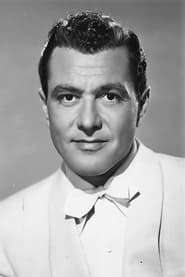
Tony Martin
Actor
Born: December 25, 1913 in Oakland, California, USA Died: July 27, 2012 Active: 1936-1990s Birth Name: Alvin Morris
Films
1 film
About Tony Martin
Tony Martin, born Alvin Morris, was an American actor and singer who became popular entertainers of the Golden Age of Hollywood. Rising from humble beginnings in Oakland, California, he began his career as a band singer before transitioning to film in the late 1930s. Martin signed with 20th Century Fox and quickly established himself as a leading man in musical films, known for his smooth baritone voice and charming screen presence. His career flourished through the 1940s and 1950s with starring roles in numerous successful musicals and romantic comedies. Beyond his film career, Martin achieved tremendous success as a recording artist, with several of his songs reaching the top of the charts. He continued performing well into his later years, maintaining his popularity through nightclub acts, television appearances, and concert tours. His marriage to dancer Cyd Charisse created one of Hollywood's most celebrated power couples, and they often performed together. Martin's enduring over six decades, making him one of the last surviving stars of Hollywood's golden era when he passed away at age 98.
The Craft
On Screen
Tony Martin's acting style was characterized by his natural charm, smooth delivery, and effortless transition between dialogue and musical performance. He specialized in playing the romantic lead, often portraying sophisticated, gentlemanly characters with a warm, approachable demeanor. His performances were marked by a polished professionalism that made him particularly well-suited for the glossy musical productions of Hollywood's Golden Age. Martin possessed a unique ability to make his musical numbers feel organic to the narrative, seamlessly integrating his singing into his character development. While not a method actor, he brought authenticity to his roles through his genuine musical talent and likable screen presence.
Milestones
- Signed with 20th Century Fox in 1936, launching his film career
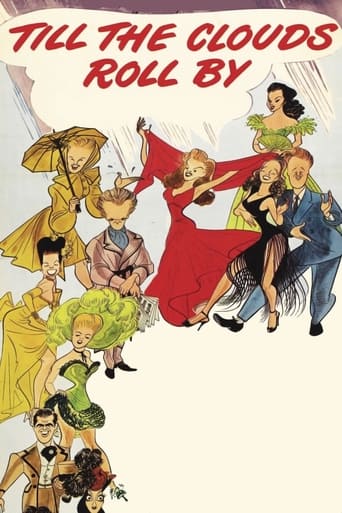
- Starred in the hit musical 'Till the Clouds Roll By' (1946)
- Had million-selling records with 'To Each His Own' and 'I Get Ideas'
- Performed for troops during USO tours in World War II and Korean War
- Headlined at major venues including the Copacabana and Waldorf-Astoria
- Married legendary dancer Cyd Charisse in 1948
- Received star on Hollywood Walk of Fame in 1960
- Continued performing into his 80s with nightclub and concert appearances
Best Known For
Iconic Roles
Must-See Films
Accolades
Won
- Hollywood Walk of Fame Star (1960)
- Golden Palm Star on Palm Springs Walk of Stars
- Multiple Gold Records for hit recordings
Nominated
- No major Academy Award nominations, though several films received technical nominations
Special Recognition
- Hollywood Walk of Fame Star for Recording (6521 Hollywood Blvd)
- Inducted into the Big Band and Jazz Hall of Fame
- USO Special Recognition for wartime entertainment service
- Lifetime Achievement Award from American Society of Composers, Authors and Publishers (ASCAP)
Working Relationships
Worked Often With
Studios
Why They Matter
Impact on Culture
Tony Martin significantly shaped American popular culture through his dual success as a recording artist and film star during the mid-20th century. His smooth, romantic singing style helped define the sound of popular music in the 1940s and 1950s, with hits like 'To Each His Own' and 'I Get Ideas' becoming standards of the era. As a film star, he contributed to the golden age of Hollywood musicals, helping to maintain the genre's popularity during a period when musical films were facing declining audiences. His successful crossover between film, recording, and live performance set a template for future entertainers. Martin's wholesome image and enduring marriage to Cyd Charisse represented an ideal of Hollywood stability during an era often marked by scandal and instability. His continued performances for troops through multiple wars demonstrated the important role of entertainment in American military life.
Lasting Legacy
Tony Martin's legacy endures as one of the last great entertainers of Hollywood's Golden Age, representing the transition from big band era to modern popular music. His recordings continue to be celebrated by fans of classic American popular song, and his films remain beloved examples of the Hollywood musical genre. Martin's career longevity—spanning from the 1930s into the 21st century—demonstrated remarkable adaptability in an industry known for its fleeting fame. His marriage to Cyd Charisse created one of Hollywood's most iconic partnerships, symbolizing the glamour and romance of classic cinema. As a bridge between different eras of entertainment, Martin helped preserve the traditions of classic performance while embracing new media like television. His dedication to entertaining troops established a precedent for celebrity involvement in military support that continues today.
Who They Inspired
Tony Martin influenced subsequent generations of performers through his demonstration of how to maintain a successful career across multiple entertainment mediums. His smooth vocal style influenced crooners and pop singers who followed, while his film work provided a model for actors transitioning from music to movies. Martin's ability to sustain popularity through changing musical trends showed artists the importance of versatility and adaptation. His professional conduct and long-lasting marriage offered an alternative model of celebrity behavior to the stereotypical Hollywood lifestyle. Many later entertainers, including Frank Sinatra and Bing Crosby contemporaries, followed similar paths in combining recording, film, and live performance careers. Martin's continued performing into his later years also demonstrated that age need not be a barrier to artistic achievement in popular entertainment.
Off Screen
Tony Martin led a remarkable personal life marked by professional success and enduring relationships. He was married twice, first to Alice Faye in 1937, though the marriage ended in divorce in 1940. His second marriage to dancer and actress Cyd Charisse in 1948 became one of Hollywood's most celebrated unions, lasting until Charisse's death in 2008. Together, they had one son, Tony Martin Jr., born in 1950. Martin was known for his devotion to family and maintained a reputation as one of Hollywood's most stable and reliable stars. He was also recognized for his patriotism, having served in the United States Army Air Forces during World War II and participated in numerous USO tours throughout his career.
Education
Attended Oakland Technical High School; studied music and voice with local teachers; largely self-taught in entertainment industry
Family
- Alice Faye (1937-1940)
- Cyd Charisse (1948-2008, her death)
Did You Know?
- Changed his name from Alvin Morris to Tony Martin early in his career
- His first big break came when he won a talent contest on a radio show
- Was offered the role originally meant for Mario Lanza in 'The Toast of New Orleans' (1950)
- His recording of 'To Each His Own' sold over a million copies
- Performed for three different U.S. Presidents during his career
- Was an accomplished athlete in high school, excelling in track and field
- His voice was used in the animated film 'Gay Purr-ee' (1962)
- Made his final public performance at age 95
- Was one of the last surviving stars from Hollywood's Golden Age
- His song 'I Get Ideas' was adapted from an Argentine tango
- Served in the Army Air Forces during WWII, entertaining troops
In Their Own Words
I've been lucky enough to do what I love for a living, and that's the greatest gift anyone can have.
In show business, you're only as good as your last performance, but you're remembered for your best.
Singing for the troops was the most important work I ever did. They deserved our best.
Marriage to Cyd wasn't just about love; it was about partnership in every sense of the word.
The secret to longevity in this business is simple: keep working, keep learning, and never take your audience for granted.
Frequently Asked Questions
Who was Tony Martin?
Popular American with credits in this catalog. Born Alvin Morris, he became one of the era's most successful crossover entertainers, achieving success in film, recording, and live performance.
What films is Tony Martin best known for?
Titles linked here include Till the Clouds Roll By (1946), Casbah (1948).
When was Tony Martin born and when did he die?
Born December 25, 1913; died July 27, 2012.
What awards did Tony Martin win?
Tony Martin received a star on the Hollywood Walk of Fame in 1960 and was inducted into the Big Band and Jazz Hall of Fame. He also earned multiple gold records for his hit recordings and received special recognition from the USO for his wartime entertainment service.
What was Tony Martin's acting style?
Tony Martin's acting style was characterized by natural charm, smooth delivery, and effortless transitions between dialogue and musical performance. He specialized in romantic leads, portraying sophisticated, gentlemanly characters with particular success in musical films where his singing talents enhanced his dramatic roles.
Who was Tony Martin married to?
Tony Martin was married twice: first to actress Alice Faye from 1937 to 1940, and then to legendary dancer and actress Cyd Charisse from 1948 until her death in 2008. His marriage to Charisse was considered one of Hollywood's most enduring and celebrated unions.
What were Tony Martin's biggest hit songs?
Tony Martin's biggest hit songs included 'To Each His Own' (1946), 'I Get Ideas' (1951), 'There's No Tomorrow' (1949), and 'I've Got a Lovely Bunch of Coconuts' (1950). Several of his recordings sold over a million copies and became standards of the popular music era.
How did Tony Martin contribute to the war effort?
Tony Martin served in the United States Army Air Forces during World War II and participated in numerous USO tours to entertain troops. He continued performing for military personnel through the Korean War and Vietnam War eras, earning special recognition for his dedication to supporting American service members.