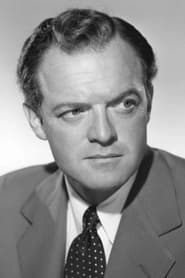
Van Heflin
Actor
Born: December 13, 1910 in Walters, Oklahoma, USA Died: July 23, 1971 Active: 1936-1971 Birth Name: Emmett Evan Heflin Jr.
Films
3 films
About Van Heflin
Highly versatile American actor: naturalistic style and intense performances made him one of Hollywood's most reliable character actors during the Golden Age. Born in Oklahoma and educated at the University of Oklahoma, Heflin began his career on Broadway before transitioning to films in the late 1930s. His breakthrough came with his Academy Award-winning performance in 'Johnny Eager' (1942), where he demonstrated his remarkable ability to portray complex, morally ambiguous characters. During World War II, he served with distinction as a combat cameraman in the Army Air Forces, documenting dangerous missions over Europe. After the war, Heflin returned to Hollywood and delivered some of his most memorable performances in films like 'The Strange Love of Martha Ivers' (1946), 'Shane' (1953), and '3:10 to Yuma' (1957). His three decades, during which he appeared in over 60 films, often playing the thoughtful, introspective everyman caught in extraordinary circumstances. Despite never becoming a traditional leading man, Heflin's reputation as an actor's actor grew throughout his career, earning him respect from peers and critics alike for his dedication to craft and his ability to elevate any material through his nuanced performances.
The Craft
On Screen
Van Heflin was known for his naturalistic, understated acting style that emphasized psychological realism over theatricality. He brought a quiet intensity and intellectual depth to his characters, often portraying thoughtful, conflicted men struggling with moral dilemmas. His approach was methodical and deeply researched, allowing him to disappear completely into his roles. Heflin's performances were marked by subtle facial expressions, controlled body language, and a distinctive vocal delivery that conveyed inner turmoil without melodrama. He excelled at playing ordinary men in extraordinary circumstances, bringing authenticity and relatability to every character he portrayed.
Milestones
- Academy Award for Best Supporting Actor for 'Johnny Eager' (1942)
- Broadway debut in 'The Farmer Takes a Wife' (1934)
- World War II service as combat cameraman
- Iconic role as Joe Starrett in 'Shane' (1953)
- Memorable performance in '3:10 to Yuma' (1957)
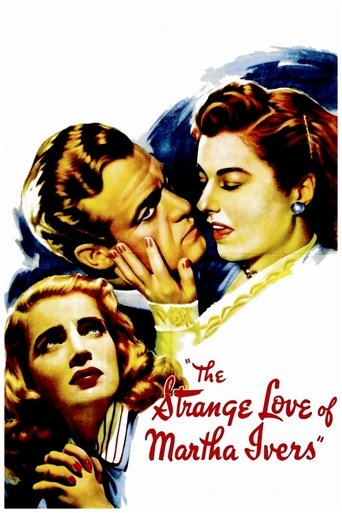
- Starred in 'The Strange Love of Martha Ivers' (1946)
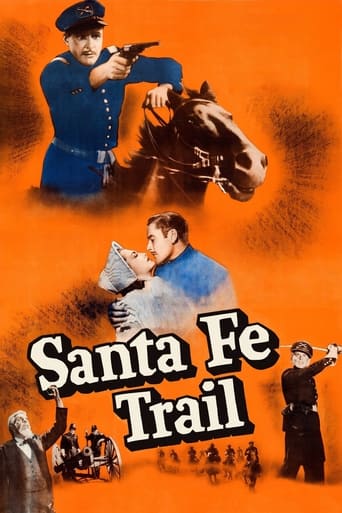
- Appeared in 'Santa Fe Trail' (1940) with Errol Flynn
- Received critical acclaim for 'The Great Man' (1956)
Best Known For
Iconic Roles
Must-See Films
Accolades
Won
- Academy Award for Best Supporting Actor for 'Johnny Eager' (1942)
- Volpi Cup for Best Actor at Venice Film Festival for 'The Great Man' (1956)
- National Board of Review Award for Best Actor for 'The Great Man' (1956)
Nominated
- Academy Award nomination for Best Supporting Actor for 'The Strange Love of Martha Ivers' (1946)
- Golden Globe nomination for Best Actor for 'The Great Man' (1956)
- BAFTA nomination for Best Foreign Actor for '3:10 to Yuma' (1957)
Special Recognition
- Hollywood Walk of Fame star at 6659 Hollywood Boulevard
- Inducted into the Oklahoma Hall of Fame
- United States Army Air Forces Air Medal for combat service during WWII
Working Relationships
Worked Often With
Studios
Why They Matter
Impact on Culture
Van Heflin's impact on cinema lies in his naturalistic acting style that helped transition Hollywood from theatrical performances to more realistic portrayals. His ability to convey complex emotions through subtlety rather than grand gestures influenced generations of actors who followed. Heflin's performances in Westerns like 'Shane' and '3:10 to Yuma' helped redefine the genre, moving away from simple hero archetypes toward more nuanced characterizations. His work demonstrated that supporting actors could carry films with equal weight to stars, paving the way for more ensemble-driven narratives. Heflin's military service as a combat cameraman also contributed to the historical record of World War II, bridging his artistic and patriotic duties.
Lasting Legacy
Van Heflin's legacy endures through his extensive body of work that continues to be studied by film scholars and actors. His Oscar-winning performance in 'Johnny Eager' remains a masterclass in supporting acting, while his role in 'Shane' is considered. Heflin is remembered as an actor's actor who prioritized craft over celebrity, earning respect from peers like Marlon Brando and James Dean who admired his naturalistic approach. His films remain staples of classic cinema programming, and his influence can be seen in the work of contemporary actors who favor psychological realism over showmanship. The Van Heflin collection at the Academy of Motion Picture Arts and Sciences preserves his contributions to film history for future generations.
Who They Inspired
Van Heflin influenced the evolution of film acting by demonstrating the power of subtlety and psychological depth. His naturalistic approach prefigured the Method acting movement, and actors like Montgomery Clift and James Dean cited his work as inspirational. Directors valued his reliability and ability to elevate material, leading to more complex character roles being written for supporting actors. Heflin's success in both dramatic and genre films proved that serious acting could thrive in commercial cinema, encouraging studios to invest in more sophisticated storytelling. His commitment to authenticity influenced the development of realistic acting techniques that became standard in American cinema.
Off Screen
Van Heflin led a relatively private personal life marked by two marriages and dedicated service to his country. He married actress Frances E. Neal in 1942, and they had three children together before divorcing in 1955. In 1962, he married Katharine H. McCracken, who remained his wife until his death. Heflin was known for his intellectual pursuits and was an avid reader and chess player. Despite his Hollywood success, he maintained a reputation for being down-to-earth and avoided the celebrity lifestyle. His later years were marked by health problems, and he died of a heart attack at age 60 while swimming in his pool.
Education
University of Oklahoma (studied drama and journalism), Yale University (attended drama school briefly), Pasadena Playhouse (formal acting training)
Family
- Frances E. Neal (1942-1955)
- Katharine H. McCracken (1962-1971)
Did You Know?
- Was a decorated WWII veteran who flew 25 combat missions as a cameraman
- Turned down the lead role in 'The Best Years of Our Lives' (1946)
- Was a skilled chess player who often played between takes
- Suffered from claustrophobia, which made some film shoots difficult
- Was one of the first actors to study with Michael Chekhov in America
- His Oscar statue was stolen from his home and never recovered
- Was considered for the role of Willy Loman in 'Death of a Salesman' on Broadway
- Spoke several languages including French and German
- Was an accomplished amateur photographer
- Once worked as a ranch hand in Montana to prepare for a Western role
- Was a close friend of fellow actor Robert Taylor
- Refused to sign long-term studio contracts to maintain artistic freedom
In Their Own Words
I don't believe in stars. I believe in actors.
The camera doesn't lie, but it can be fooled by a good actor.
I'd rather be a good actor in a bad picture than a bad actor in a good one.
Acting is not about being emotional, but about being able to express emotion.
The best scenes are often the quietest ones where nothing seems to be happening.
Frequently Asked Questions
Who was Van Heflin?
Acclaimed American with credits in this catalog. He won an Academy Award for Best Supporting Actor and appeared in over 60 films, including classics like 'Shane' and '3:10 to Yuma'.
What films is Van Heflin best known for?
Titles linked here include Shane (1953), Johnny Eager (1942).
When was Van Heflin born and when did he die?
Born December 13, 1910; died July 23, 1971.
What awards did Van Heflin win?
Van Heflin won the Academy Award for Best Supporting Actor for 'Johnny Eager' (1942), the Volpi Cup for Best Actor at Venice for 'The Great Man' (1956), and received multiple nominations including another Oscar nod for 'The Strange Love of Martha Iervers'.
What was Van Heflin's acting style?
Van Heflin was known for his naturalistic, understated acting style that emphasized psychological realism and subtlety. He brought quiet intensity and intellectual depth to his roles, often playing thoughtful, conflicted ordinary men in extraordinary circumstances.
Did Van Heflin serve in the military?
Yes, Van Heflin served with distinction in the U.S. Army Air Forces during World War II as a combat cameraman, flying 25 dangerous missions over Europe and earning the Air Medal for his service.
What was Van Heflin's real name?
Van Heflin's birth name was Emmett Evan Heflin Jr. He adopted 'Van' as his professional name early in his career.
How did Van Heflin influence cinema?
Van Heflin influenced cinema by naturalistic acting that helped transition Hollywood from theatrical to realistic performances. His work in Westerns helped redefine the genre, and his success as a supporting actor proved the value of ensemble casting and complex character roles.