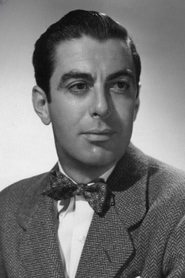
Richard Whorf
Director
Born: June 20, 1906 in Winthrop, Massachusetts, USA Died: December 14, 1966 Active: 1932-1966
Films
1 film
About Richard Whorf
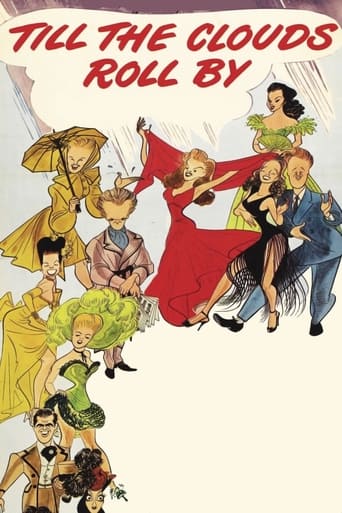
Remarkably versatile American talent who successfully transitioned through multiple roles in Hollywood's Golden Age. Beginning his career as an actor in the early 1930s, he appeared in numerous films before discovering his true passion behind the camera. His artistic abilities led him to become a respected production designer at MGM, where he contributed to the visual style of several major productions. In 1946, Whorf made his directorial debut with the ambitious musical biopic 'Till the Clouds Roll By,' though he was one of several directors who worked on the film. Following this, he directed several other films and transitioned successfully into television directing in the 1950s and early 1960s. Whorf's career exemplified the multi-talented nature of many Hollywood professionals during the studio era, moving seamlessly between acting, art direction, and directing. His work spanned some of Hollywood's most prestigious productions and helped shape both the look and storytelling of classic American cinema.
The Craft
Behind the Camera
Whorf's directing style was characterized by strong visual composition, reflecting his background as a production designer. He had an eye for elegant framing and understood how to use set design and cinematography to enhance storytelling. His direction of musical numbers showed particular flair for movement and spectacle, while his dramatic work emphasized clear, efficient storytelling.
Milestones
- Transition from successful actor to acclaimed production designer at MGM
- Directed the ambitious musical biopic 'Till the Clouds Roll By' (1946)
- Became prominent television director in the 1950s and 1960s
- Worked on major Hollywood productions including 'The Great Ziegfeld' and 'The Wizard of Oz' as art department contributor
- Directed episodes of classic TV series including 'The Beverly Hillbillies' and 'Perry Mason'
Best Known For
Iconic Roles
Must-See Films
Accolades
Won
- Academy Award nomination for Best Art Direction for 'The Great Ziegfeld' (1936)
Nominated
- Academy Award nomination for Best Art Direction for 'The Great Ziegfeld' (1936)
Special Recognition
- Hollywood Walk of Fame star for Television
Working Relationships
Worked Often With
Studios
Why They Matter
Impact on Culture
Richard Whorf's contributions to Hollywood's Golden Age exemplify the versatile artistry that characterized the studio system. His work as a production designer helped establish the visual language of the Hollywood musical, particularly through his contributions to films like 'The Great Ziegfeld' and 'The Wizard of Oz.' As a director, he helped bridge the gap between the golden age of cinema and the emerging television medium, bringing cinematic techniques to small screen productions. His ability to transition between acting, art direction, and directing demonstrated the interdisciplinary nature of film artistry during this period, inspiring future generations of filmmakers to develop multiple skill sets.
Lasting Legacy
Richard Whorf's legacy lies in his embodiment of the multi-talented Hollywood professional who could excel in multiple creative domains. His work on some of cinema's most beloved musicals helped define the visual splendor of the genre, while his later television direction helped establish standards for quality in early television production. The artistic sensibility he brought to his work influenced how musical numbers were staged and filmed, contributing to the evolution of the movie musical as an art form. His career shows the collaborative nature of filmmaking and the importance of visual storytelling in cinema.
Who They Inspired
Whorf influenced subsequent generations of filmmakers through his demonstration of how artistic skills could transfer between different aspects of film production. His success in moving from acting to art direction to directing inspired others to develop comprehensive understanding of the filmmaking process. In television, his cinematic approach to direction helped elevate the medium's artistic aspirations during its formative years. Many directors who worked with him or studied his techniques adopted his emphasis on visual composition and efficient storytelling.
Off Screen
Richard Whorf was married to actress and model Miriam Hopkins in 1945, though the marriage was relatively brief. He came from a family with artistic inclinations, with his brother James Whorf also working in the entertainment industry. Whorf was known for his intellectual pursuits outside of filmmaking, including painting and writing. He maintained a reputation as a cultured, sophisticated figure in Hollywood circles, respected for his artistic knowledge and collaborative spirit.
Education
Attended Harvard University briefly before leaving to pursue his career in entertainment
Family
- Miriam Hopkins (1945-1947)
Did You Know?
- Was one of several directors who worked on 'Till the Clouds Roll By' (1946), sharing directing credit with others
- Originally studied architecture before pursuing a career in entertainment
- Was a talented painter whose artwork was exhibited in Los Angeles galleries
- Served in the Army Air Corps during World War II
- Was a cousin of the famous linguist Benjamin Lee Whorf
- Began his Hollywood career as a contract actor at Warner Bros.
- Was known for his extensive personal library of art and film books
- Worked as a set designer before becoming a full art director at MGM
- Was considered
- His television work spanned multiple genres including westerns, comedies, and dramas
In Their Own Words
The visual element in film is not just decoration—it's part of the storytelling itself
Every frame should be a painting, whether it's a musical number or a dramatic scene
Understanding all aspects of filmmaking makes you a better director, because you know what's possible
Television isn't just small movies—it's its own medium with its own rules and possibilities
Frequently Asked Questions
Who was Richard Whorf?
Versatile American filmmaker who worked as an actor, production designer, and on YTB.my. He is best known for his work on major MGM musicals and his transition to television directing in the 1950s and 1960s.
What films is Richard Whorf best known for?
Titles linked here include Till the Clouds Roll By (1946), The Great Ziegfeld (1936) - as art department contributor.
When was Richard Whorf born and when did he die?
Born June 20, 1906; died December 14, 1966.
What awards did Richard Whorf win?
Richard Whorf received an Academy Award nomination for Best Art Direction for his work on 'The Great Ziegfeld' (1936). He also received a star on the Hollywood Walk of Fame for his contributions to television.
What was Richard Whorf's directing style?
Whorf's directing style emphasized strong visual composition and elegant framing, reflecting his background as a production designer. He had particular skill in staging musical numbers and brought cinematic techniques to his television work.
How did Richard Whorf transition from acting to directing?
Whorf began as an actor in the 1930s but gradually moved into art direction at MGM, where his visual talents were recognized. His success as a production designer led to directing opportunities, starting with 'Till the Clouds Roll By' in 1946.
What television shows did Richard Whorf direct?
Whorf directed episodes of numerous classic television series including 'The Beverly Hillbillies,' 'Perry Mason,' 'The Andy Griffith Show,' 'Gunsmoke,' and 'The Fugitive' among others.