



The Man with the Golden Arm
"When illegal card dealer and recovering heroin addict Frankie Machine gets out of prison,."
Keys: Space play/pause · ←/→ 10s · F fullscreen · M mute · </> speed
About this film
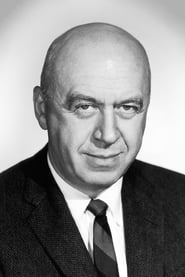
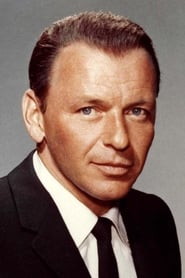
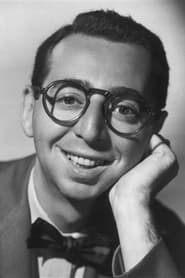
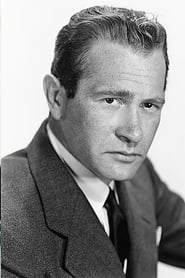
Starring Frank Sinatra, Eleanor Parker, Kim Novak, Arnold Stang and Darren McGavin, it recounts the story of a drug addict who gets clean while in prison, but struggles to stay that way in the outside world. When illegal card dealer and recovering heroin addict Frankie Machine gets out of prison, he decides to straighten up. Armed with nothing but an old drum set, Frankie tries to get honest work as a drummer. But when his former employer and his old drug dealer re-enter his life, Fr
Cast & crew
More Drama films
View all →






More about this film
About the production
Release dateDecember 15, 1955
Budget$1,500,000
Box office$4,100,000 (North America)
ProductionCarlyle Productions, United Artists
Filmed inChicago, Illinois, MGM Studios, Culver City, California
The film faced significant censorship challenges from the Production Code Administration due to its depiction of drug addiction. Otto Preminger fought extensively with the censors to include realistic portrayals of withdrawal and drug use. The controversial subject matter led to the film being denied the Production Code seal initially, but Preminger released it anyway, forcing the industry to reconsider its standards. Frank Sinatra prepared for his role by visiting rehabilitation centers and speaking with former addicts, though he insisted on not trying heroin himself. The drumming sequences were performed by professional jazz drummer Shelly Manne, though Sinatra took extensive lessons to make his movements appear authentic.
Themes
Addiction and dependencyRedemption and second chancesThe corrupting influence of urban lifeManipulation and emotional abuseThe struggle between art and commerce
Themes & topics
Historical background
Made in 1955, in United States, under Otto Preminger, The Man with the Golden Arm belongs to drama film filmmaking as studio systems and national cinemas competed for audiences. The Man with the Golden Arm is a 1955 American independent drama film noir directed by Otto Preminger, based on the novel of the same name by Nelson Algren.
Why this film matters
Within drama film history, Otto Preminger's name attaches to the work; 1955 film directed by Otto Preminger; Starring Frank Sinatra, Eleanor Parker, Kim Novak, Arnold Stang and Darren McGavin, it recounts the story of a drug addict who gets clean while in prison, but struggles to stay that way in the outside world..
Making of
The production of 'The Man with the Golden Arm' was marked by significant controversy and innovation. Director Otto Preminger, known for pushing boundaries, engaged in a prolonged battle with the Production Code Administration over the film's depiction of drug addiction. The Hays Code had strictly prohibited showing drug use, but Preminger refused to compromise his vision, eventually releasing the film without the Code's seal of approval. This bold move forced the industry to reconsider its censorship standards. Frank Sinatra, deeply committed to the role, lost weight and studied the mannerisms of addicts, though he drew the line at experiencing drug use himself. The casting of Kim Novak as Molly was controversial, as she was a relative newcomer discovered in a television commercial. The film's innovative opening sequence, designed by Saul Bass, featured animated paper cutouts forming a hypodermic needle and arm, setting a new standard for title design. The jazz score by Elmer Bernstein was groundbreaking, using dissonant chords and improvisational elements to reflect Frankie's internal struggles and the urban environment.
What critics said
The film's initial release was controversial for its treatment of the then-taboo subject of drug addiction.
Did you know?
- This was the first major Hollywood film to explicitly deal with heroin addiction, breaking the Production Code's taboo against depicting drug use.
- Frank Sinatra was initially considered for the role of 'Mouse' the drug dealer, but campaigned to play Frankie Machine instead.
- The controversial film led to the revision of the Production Code, allowing more realistic depictions of social problems in cinema.
- Kim Novak was discovered by Columbia Pictures head Harry Cohn in a TV commercial and was cast despite having little acting experience.
- The film's opening credits featured innovative Saul Bass-designed animation with a paper arm that was considered revolutionary for its time.
- Frank Sinatra's performance earned him an Academy Award nomination, though he famously threw the Oscar statue he won for 'From Here to Eternity' out his hotel window when he didn't win for this film.
- The drumming heard in the film was performed by jazz legend Shelly Manne, who was paid $5,000 for his work.
- Eleanor Parker wore a special corset and was trained to move as if she had a genuine disability for her role as the wheelchair-bound wife.
- The film was banned in several cities and countries upon release due to its controversial subject matter.
- Otto Preminger fought the censors for over a year to get the film approved, eventually securing a special exception to the Production Code.
Awards & recognition
- Golden Globe Award for Best Actor - Motion Picture Drama (Frank Sinatra)
- New York Film Critics Circle Award for Best Actress (Eleanor Parker)
- Venice Film Festival Volpi Cup for Best Actor (Frank Sinatra)
- National Board of Review Award for Best Film
- Directors Guild of America Award for Outstanding Directorial Achievement in Motion Pictures (Otto Preminger - nominated)
Visual style
The cinematography by Sam Leavitt employed stark, high-contrast black-and-white photography that emphasized the gritty urban environment and Frankie's psychological isolation. The film used innovative camera techniques, including Dutch angles and disorienting compositions during Frankie's drug withdrawal sequences to visually represent his internal turmoil. Leavitt utilized deep focus photography to create a sense of urban claustrophobia, often trapping characters within architectural frames. The lighting design was particularly notable for its use of harsh shadows and expressionistic techniques, especially in the drug dealer's apartment and during the poker games. The camera work during the drumming sequences employed dynamic movement and close-ups to convey the energy and passion of Frankie's musical aspirations. The visual style drew heavily from film noir traditions while pushing them into more psychologically complex territory, creating a visual language that would influence urban dramas for decades.
Innovations
The film featured several technical innovations that were groundbreaking for 1955. The opening title sequence, designed by Saul Bass, revolutionized film title design with its animated paper cutouts forming symbolic imagery. The production employed innovative sound recording techniques for the drumming sequences, using multiple microphones to capture the full range of percussion sounds. The film's special effects for depicting drug withdrawal, while subtle by today's standards, were accomplished through clever camera work, editing, and performance rather than obvious optical effects. The makeup department created realistic effects for Frankie's physical deterioration during addiction sequences. The film's editing, particularly during the poker games and withdrawal scenes, used rapid cutting and jump cuts to create psychological tension and disorientation. The production also pioneered new techniques for filming in confined spaces, using custom-built camera mounts to capture intimate scenes in small apartments and rooms.
Music
Elmer Bernstein's jazz-influenced score was revolutionary for its time, breaking away from traditional Hollywood orchestral arrangements to create something more contemporary and urban. The main theme featured dissonant brass and walking bass lines that reflected the film's gritty setting and Frankie's internal conflicts. Bernstein incorporated elements of cool jazz and bebop, which were at the height of their popularity in 1955, giving the film an authentic contemporary sound. The drumming sequences featured actual jazz recordings, with Shelly Manne's performance providing the musical backbone for Frankie's character. The score used leitmotifs for different characters - smooth, seductive themes for Molly, harsh, discordant passages for 'Mouse', and melancholic strings for Zoshe. The soundtrack was released as an album and became a commercial success, helping to popularize jazz scores in Hollywood films. Bernstein's innovative approach to film scoring influenced countless composers and helped establish jazz as a legitimate genre for dramatic cinema.
Famous quotes
You got a date with a hypodermic needle, Frankie. Don't be late.
I'm not a junkie. I'm a musician.
That's the trouble with you, Zoshe. You think a wheelchair is a license to be cruel.
A man's got to have a code, a creed to live by.
You're a card player, Frankie. You know when to hold 'em and when to fold 'em.
Music is the only thing that's real. The only thing that matters.
I'm trying to get straight, Molly. I'm trying to get clean.
In this world, you either get tough or you get dead.
The past is a ghost that haunts us all.
Every time I think I'm out, they pull me back in.
Memorable scenes
- The harrowing withdrawal sequence where Frankie experiences delirium tremens, using distorted camera angles and rapid editing to convey his physical and psychological agony.
- The opening title sequence with Saul Bass's innovative animated paper arm forming a hypodermic needle, setting the tone for the entire film.
- The intense poker game scenes where Frankie's 'golden arm' skills are displayed, showcasing the tension and danger of his former life.
- Frankie's passionate drumming sequence where he loses himself in the music, representing his hope for redemption and artistic expression.
- The final confrontation scene where Frankie must choose between his old life and a chance at redemption, culminating in his desperate struggle to overcome his addiction.
What audiences thought
Audience reception in 1955 was mixed but generally positive, with the film performing well at the box office despite its controversial subject matter. Many viewers were shocked by the film's frank depiction of drug addiction, something rarely seen in mainstream entertainment of the era. The film's release without the Production Code seal generated significant publicity and curiosity, drawing audiences who wanted to see what the censors had banned. Sinatra's popularity undoubtedly contributed to the film's commercial success, with many of his fans eager to see him in such a dramatically different role. Some audience members found the film too intense or depressing, while others praised its realism and courage. Over time, the film has gained a reputation as a classic, particularly among film enthusiasts and Sinatra fans. Modern audiences often express surprise at how ahead of its time the film was in its approach to addiction and its refusal to sugarcoat difficult subject matter.
Film connections
Influenced by
- The Lost Weekend (1945) - for its portrayal of addiction
- On the Waterfront (1954) - for its urban realism and moral complexity
- Italian neorealism films - for their gritty depiction of urban life
- Film noir tradition - for its visual style and themes of alienation
This film influenced
- The Hustler (1961) - for its portrayal of addiction and talent
- Midnight Cowboy (1969) - for its urban grit and character study
- The French Connection (1971) - for its realistic drug depiction
- Requiem for a Dream (2000) - for its unflinching look at addiction
- The Wrestler (2008) - for its portrait of an artist struggling with personal demons
Film restoration
The film has been preserved by the Academy Film Archive and the Library of Congress. In 2019, it was selected for preservation in the United States National Film Registry by the Library of Congress as being 'culturally, historically, or aesthetically significant.' The film has undergone digital restoration and is available in high-definition formats. Original negatives and elements are maintained in studio archives, and the film has been preserved in both 35mm and digital formats for future generations.
Where to watch
- The Criterion Channel
- Amazon Prime Video (for rental/purchase)
- Apple TV
- Google Play Movies
- YouTube Movies
- Blu-ray/DVD from The Criterion Collection
- TMC (Turner Classic Movies) - occasionally airs
- Various streaming platforms with classic film collections