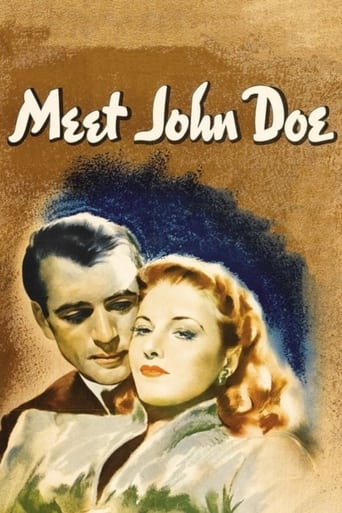
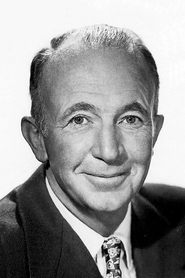
Walter Brennan
Actor
Born: July 25, 1894 in Lynn, Massachusetts, USA Died: September 21, 1974 Active: 1925-1974 Birth Name: Walter Andrew Brennan
Films
4 films

About Walter Brennan
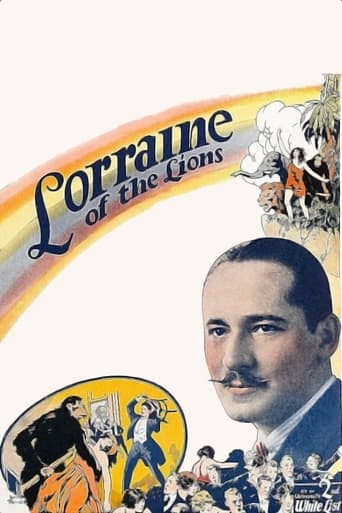
Walter Brennan was one of Hollywood's most prolific and beloved character actors, renowned for his distinctive voice and remarkable ability to portray characters much older than his actual age. He began his film career in silent movies with minor roles in the mid-1920s, including his debut in 'Lorraine of the Lions' (1925) and early appearances in films like 'Flight' (1929). Brennan successfully transitioned to talkies and established himself as a reliable supporting actor throughout the 1930s, often playing cantankerous yet endearing characters. His breakthrough came with 'Come and Get It' (1936), which earned him his first Academy Award for Best Supporting Actor. Brennan went on to become the first actor to win three Academy Awards in the supporting category, with additional wins for 'Kentucky' (1938) and 'The Westerner' (1940). His career flourished through the Golden Age of Hollywood, spanning nearly five decades and including memorable roles in Westerns, comedies, and dramas. In his later years, Brennan successfully transitioned to television, starring in the popular series 'The Real McCoys' (1957-1963), cementing his status as a beloved American character actor.
The Craft
On Screen
Walter Brennan developed a distinctive acting style characterized by his high-pitched, gravelly voice and his remarkable ability to transform himself physically through makeup and mannerisms to appear much older than his actual age. He specialized in playing eccentric, often cantankerous but ultimately lovable characters, frequently portraying rural folks, Western sidekicks, and elderly patriarchs. Brennan's approach was naturalistic yet highly memorable, with a talent for creating fully-realized characters even with limited screen time. His performances often combined comic timing with genuine pathos, making his supporting roles as memorable as the leads. He was particularly skilled at dialect work and physical comedy, using his lanky frame and expressive face to maximum effect.
Milestones
- First actor to win three Academy Awards for Best Supporting Actor
- Academy Award for 'Come and Get It' (1936)
- Academy Award for 'Kentucky' (1938)
- Academy Award for 'The Westerner' (1940)
- Star of television series 'The Real McCoys' (1957-1963)
- Hollywood Walk of Fame star dedicated in 1960
- Over 230 film and television appearances
Best Known For
Iconic Roles
Must-See Films
Accolades
Won
- Academy Award for Best Supporting Actor - 'Come and Get It' (1936)
- Academy Award for Best Supporting Actor - 'Kentucky' (1938)
- Academy Award for Best Supporting Actor - 'The Westerner' (1940)
- Golden Globe for Best TV Star - Male (1959)
- Emmy Award nomination for 'The Real McCoys' (1959)
Nominated
- Academy Award nomination for Best Supporting Actor - 'Sergeant York' (1941)
- Academy Award nomination for Best Supporting Actor - 'The Talk of the Town' (1942)
- Emmy Award nomination for Continuing Performance by an Actor in a Leading Role in a Dramatic Series - 'The Real McCoys' (1959)
- Emmy Award nomination for Outstanding Performance by an Actor in a Series (Lead) - 'The Real McCoys' (1960)
Special Recognition
- Hollywood Walk of Fame star (Motion Pictures) at 6501 Hollywood Boulevard (1960)
- Inducted into the Western Performers Hall of Fame at the National Cowboy & Western Heritage Museum (1970)
- First actor to win three Academy Awards for Best Supporting Actor
- AFI's Greatest American Screen Legends - Ranked among the top male stars
Working Relationships
Worked Often With
Studios
Why They Matter
Impact on Culture
Walter Brennan fundamentally changed the perception of supporting actors in Hollywood, proving that character roles could be as memorable and award-worthy as leading performances. His three Academy Awards for Best Supporting Actor set a precedent that elevated the importance of character actors in the film industry. Brennan's distinctive portrayal of rural and Western characters helped shape the American archetype of the wise, weathered frontiersman in popular culture. His success paved the way for future character actors to receive recognition and respect within the industry. Through his television work in 'The Real McCoys,' Brennan helped transition classic Hollywood talent to the new medium of television, demonstrating the enduring appeal of character-driven storytelling.
Lasting Legacy
Walter Brennan's legacy endures as one of Hollywood's most versatile and beloved character actors, holding the record for most Academy Awards in the supporting category for decades. His influence can be seen in the work of countless character actors who followed, particularly in the Western genre. Brennan's ability to create memorable characters with limited screen time established a template for effective supporting performances that continues to influence casting and performance styles today. His transition from silent films to talkies and then to television demonstrated remarkable adaptability and longevity in an industry known for its fleeting fame. The characters he created, from Judge Roy Bean to Grandpa McCoy, have become part of American cultural memory, representing archetypal figures of rural wisdom and Western resilience.
Who They Inspired
Brennan's influence extends to generations of character actors who studied his technique of creating fully-realized characters through voice, physicality, and minimal dialogue. His success in supporting roles encouraged studios to invest more heavily in character actors as draws for audiences. Many Western actors, including Jack Elam and Strother Martin, cited Brennan as an inspiration for their own careers. His naturalistic yet distinctive acting style influenced the approach to character acting in both film and television, particularly in portraying rural and working-class characters authentically. Brennan's ability to age himself convincingly for roles became a technique that many subsequent character actors studied and emulated.
Off Screen
Walter Brennan was married to Ruth Wells from 1920 until her death in 1968, and they had three children together: Arthur, Ruth, and Walter Jr. He was known for his conservative political views and was a supporter of the anti-communist movement in Hollywood during the 1940s and 1950s. Brennan owned a 12,000-acre cattle ranch in Moorpark, California, which reflected his genuine love for the Western lifestyle he often portrayed on screen. He was also an accomplished businessman, investing his earnings wisely in real estate and other ventures. Despite his success, Brennan remained down-to-earth and was known for his generosity toward fellow actors and crew members.
Education
Graduated from Cambridge Rindge and Latin School in Cambridge, Massachusetts; attended Rindge Technical School; studied engineering at Massachusetts Institute of Technology before leaving to serve in World War I
Family
- Ruth Wells (1920-1968)
Did You Know?
- Lost most of his teeth in a fight, which contributed to his distinctive facial appearance and voice
- Served in the U.S. Army during World War I and was exposed to mustard gas, which affected his vocal cords
- Was a skilled horseman and performed many of his own stunts in Western films
- His distinctive high-pitched voice was partly the result of a throat injury from mustard gas exposure during WWI
- Was the first actor to win three Academy Awards for Best Supporting Actor
- Despite playing elderly characters, he was only 42 when he won his first Oscar
- Owned and operated a 12,000-acre cattle ranch in California
- Was a staunch conservative and Republican who supported Richard Nixon
- His son, Walter Brennan Jr., also became an actor
- Was reportedly the highest-paid supporting actor in Hollywood during the 1940s
- Made his film debut as an extra in the 1925 film 'Lorraine of the Lions'
- Was a close friend of John Wayne and appeared in seven films with him
In Their Own Words
I'm not a star. I'm a character actor. There's a big difference.
I've played every kind of character there is. I've played murderers, I've played saints, and I've played everything in between.
The secret to playing old men is to remember how you felt when you were young.
I never wanted to be a leading man. I always wanted to be the best supporting actor I could be.
Hollywood is a place where they'll pay you a thousand dollars for a kiss and fifty cents for your soul.
Frequently Asked Questions
Who was Walter Brennan?
Highly acclaimed American character with credits in this catalog. He was known for his distinctive voice and his ability to play characters much older than his actual age, appearing in over 230 films and television shows throughout his nearly 50-year career.
What films is Walter Brennan best known for?
Titles linked here include Come and Get It (1936), The Westerner (1940).
When was Walter Brennan born and when did he die?
Born July 25, 1894; died September 21, 1974.
What awards did Walter Brennan win?
Walter Brennan won three Academy Awards for Best Supporting Actor for 'Come and Get It' (1936), 'Kentucky' (1938), and 'The Westerner' (1940). He also won a Golden Globe for his television work and received a star on the Hollywood Walk of Fame. He was the first actor to win three Oscars in the supporting category.
What was Walter Brennan's acting style?
Brennan developed a distinctive acting style characterized by his high-pitched, gravelly voice and remarkable ability to transform himself physically to appear much older than his actual age. He specialized in playing eccentric, often cantankerous but lovable characters, particularly in Westerns and rural dramas, using naturalistic performances combined with comic timing and genuine pathos.
How did Walter Brennan influence Hollywood?
Brennan revolutionized the perception of supporting actors in Hollywood, proving that character roles could be as memorable and award-worthy as leading performances. His success elevated the status of character actors and influenced generations of performers who followed, particularly in the Western genre.
Was Walter Brennan related to any other famous actors?
While not directly related to other famous actors, Brennan's son, Walter Brennan Jr., also pursued an acting career. He was close friends and frequent collaborator with many Hollywood legends including John Wayne, Gary Cooper, and Howard Hawks, appearing in multiple films with each of them.