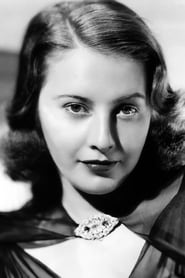
Barbara Stanwyck
Actor
Born: July 16, 1907 in Brooklyn, New York, USA Died: January 20, 1990 Active: 1927-1986 Birth Name: Ruby Catherine Stevens
Films
5 films
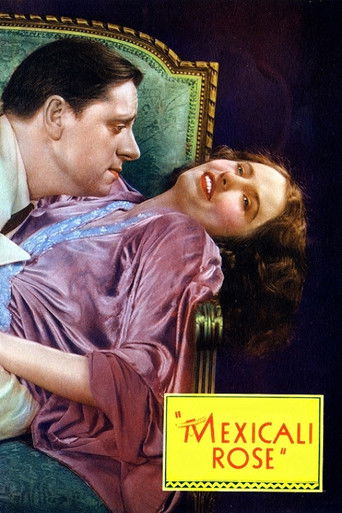
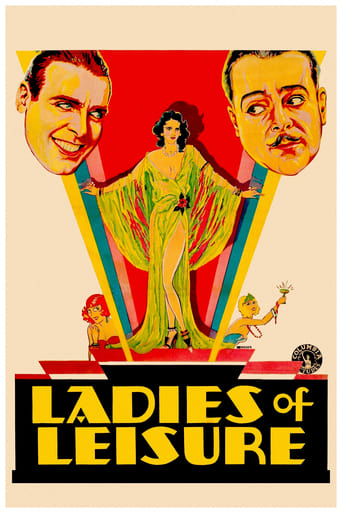
About Barbara Stanwyck
Barbara Stanwyck, born Ruby Catherine Stevens, rose from a troubled Brooklyn childhood to become one of Hollywood's most versatile and respected actresses. After losing her mother at age four and being abandoned by her father, she was raised in foster homes and began working as a model and Ziegfeld Follies dancer in the 1920s. She signed with Paramount Pictures in 1929 and quickly transitioned from silent films to talkies, establishing herself as a leading lady with remarkable speed. Throughout the 1930s and 1940s, she became renowned for her naturalistic acting style and ability to portray strong, complex women in films like 'Stella Dallas' (1937), 'Ball of Fire' (1941), and 'Double Indemnity' (1944). After her film career diminished in the 1950s, she successfully reinvented herself as a television star in 'The Big Valley' (1965-1969). She received four Academy Award nominations for Best Actress and was awarded an honorary Oscar in 1982 for her lifetime achievement. Stanwyck was for her professionalism and work ethic, often called the 'best actress who never won an Oscar' in a competitive category. She continued working well into her 80s, with her final major role in 'The Thorn Birds' (1983) earning her an Emmy Award.
The Craft
On Screen
Stanwyck was known for her naturalistic, understated acting style that contrasted with the theatrical performances common in early Hollywood. She possessed remarkable emotional range and could convey complex feelings through subtle facial expressions and body language. Her technique involved intense preparation and research for each role, allowing her to create fully realized characters. She was particularly skilled at playing strong, independent women who could be both vulnerable and formidable, often bringing psychological depth to roles that could have been one-dimensional. Her voice work was exceptional, with a distinctive husky tone that added authenticity to her characters, and she mastered the transition from silent films to talkies better than most of her contemporaries.
Milestones
- Film debut in 'Broadway Nights' (1927)
- Breakthrough role in 'Ladies of Leisure' (1930)
- First Oscar nomination for 'Stella Dallas' (1937)
- Iconic performance in 'Double Indemnity' (1944)
- Honorary Academy Award (1982)
- Emmy Award for 'The Thorn Birds' (1983)
- AFI Life Achievement Award (1987)
Best Known For
Iconic Roles
Must-See Films
Accolades
Won
- Honorary Academy Award (1982)
- Primetime Emmy Award for Outstanding Actress in a Limited Series or a Special for 'The Thorn Birds' (1983)
- Golden Globe for Best Actress in a Limited Series or Television Film for 'The Thorn Birds' (1984)
- New York Film Critics Circle Award for Best Actress for 'Sorry, Wrong Number' (1948)
Nominated
- Academy Award for Best Actress for 'Stella Dallas' (1937)
- Academy Award for Best Actress for 'Ball of Fire' (1941)
- Academy Award for Best Actress for 'Double Indemnity' (1944)
- Academy Award for Best Actress for 'Sorry, Wrong Number' (1948)
- Primetime Emmy Award for Outstanding Lead Actress in a Drama Series for 'The Big Valley' (1966)
- Primetime Emmy Award for Outstanding Lead Actress in a Drama Series for 'The Big Valley' (1967)
- Primetime Emmy Award for Outstanding Lead Actress in a Drama Series for 'The Big Valley' (1968)
Special Recognition
- Hollywood Walk of Fame star (1960)
- AFI Life Achievement Award (1987)
- Kennedy Center Honors (1986)
- Ranked #11 on AFI's Greatest Female Stars of Classic Hollywood Cinema (1999)
- National Board of Review Award for Best Acting for 'The Bitter Tea of General Yen' (1933)
Working Relationships
Worked Often With
Studios
Why They Matter
Impact on Culture
Barbara Stanwyck fundamentally changed Hollywood's perception of what a leading lady could be, breaking away from the traditional damsel-in-distress archetype to portray complex, strong-willed women. Her performances in film noir classics like 'Double Indemnity' helped define the femme fatale archetype, while her work in comedies like 'The Lady Eve' showcased her remarkable comedic timing. Stanwyck's career longevity and successful transition to television paved the way for other aging actresses in Hollywood. She represented a new kind of American woman on screen - independent, intelligent, and resilient - reflecting the changing social dynamics of mid-20th century America. Her influence extended beyond acting to include advocacy for better working conditions for performers in Hollywood.
Lasting Legacy
Barbara Stanwyck's legacy endures as one of cinema's most versatile and accomplished performers, with a filmography spanning over 80 films and numerous television appearances. She is remembered for her professionalism, work ethic, and the depth she brought to every role. The American Film Institute ranks her among the greatest female stars in Hollywood history, and her films continue to be studied for their artistic merit and cultural significance. Her ability to reinvent herself from silent film star to talkie leading lady to television icon demonstrated remarkable adaptability that few of her contemporaries matched. Modern actresses continue to cite her as an influence, particularly her naturalistic acting style and the dignity she brought to aging in the entertainment industry.
Who They Inspired
Stanwyck influenced generations of actors through her naturalistic acting technique and her ability to convey complex emotions with subtlety and restraint. Her success in playing strong, independent women helped expand the range of roles available to actresses in Hollywood. Contemporary stars like Meryl Streep, Glenn Close, and Cate Blanchett have cited her as an inspiration. Her successful transition to television in her later years demonstrated that actresses could maintain relevance beyond their youth, influencing how Hollywood views aging performers. Directors continue to study her film performances as masterclasses in screen acting technique and emotional authenticity.
Off Screen
Stanwyck's personal life was marked by both professional triumph and personal challenges. She married actor Frank Fay in 1928, and they adopted a son, Dion, but the marriage ended in divorce in 1935 due to Fay's alcoholism and abusive behavior. In 1939, she married actor Robert Taylor, one of Hollywood's most popular leading men, but they divorced in 1951. Despite rumors about her sexuality and close relationships with women, Stanwyck never publicly addressed these speculations. She was known as intensely private and rarely gave interviews about her personal life. Her adopted son Dion had a troubled relationship with her and wrote a critical book about their relationship after her death. Stanwyck was also known for her frugality and business acumen, carefully managing her finances throughout her career.
Education
Limited formal education; attended Erasmus Hall High School in Brooklyn but dropped out to work. She later took acting classes at various studios in New York City to develop her craft.
Family
- Frank Fay (1928-1935)
- Robert Taylor (1939-1951)
Did You Know?
- She was the highest-paid woman in America in 1944
- Her nickname on set was 'The Queen', and she was known for arriving early and knowing everyone's lines
- She was a registered Republican and supported Richard Nixon
- She turned down the role of Blanche DuBois in 'A Streetcar Named Desire'
- Her real name Ruby Catherine Stevens was changed to Barbara Stanwyck by a studio executive
- She was a licensed pilot and flew her own plane
- She was one of the few stars who successfully sued a gossip magazine and won
- She never won a competitive Academy Award despite four nominations
- She was a close friend of Joan Crawford despite their different acting styles
- She maintained a 40-year friendship with actor Robert Taylor even after their divorce
- She was known for her frugality and often brought her own lunch to film sets
- Her final film role was in 'The Night Walker' (1964), after which she focused on television
In Their Own Words
'I'm a tough old broad from Brooklyn. I'm not sentimental. I don't beg for anything. I don't cry when I don't get my way.' - Interview in 1982
'I'm not a 'movie star.' I'm an actress. There's a big difference.' - On her career identity
'The audience is always right. You have to give them what they want.' - On her approach to performance
'I never had a problem with the men. I had a problem with the women who wanted to be men.' - On Hollywood politics
'I don't like to be called a 'legend.' I'm still working. Legends are dead.' - On her status in Hollywood
Frequently Asked Questions
Who was Barbara Stanwyck?
Barbara Stanwyck was one of Hollywood's most acclaimed and versatile actresses, active from the late 1920s through the 1980s. She was known for her naturalistic acting style, strong character portrayals, and remarkable career longevity, successfully transitioning from silent films to talkies to television.
What films is Barbara Stanwyck best known for?
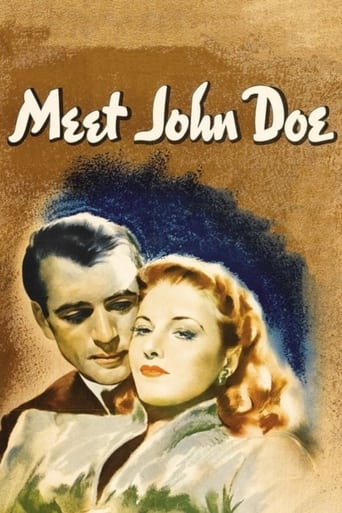
Stanwyck is best known for her iconic roles in 'Double Indemnity' (1944), 'Stella Dallas' (1937), 'Meet John Doe' (1941), 'The Lady Eve' (1941), 'Ball of Fire' (1941), and 'Sorry, Wrong Number' (1948). She also gained later fame starring in the TV series 'The Big Valley' and the miniseries 'The Thorn Birds'.
When was Barbara Stanwyck born and when did she die?
Barbara Stanwyck was born Ruby Catherine Stevens on July 16, 1907, in Brooklyn, New York. She died on January 20, 1990, at the age of 82 in Santa Monica, California, from congestive heart failure and chronic obstructive pulmonary disease.
What awards did Barbara Stanwyck win?
Despite four Academy Award nominations, Stanwyck never won a competitive Oscar but received an honorary Academy Award in 1982. She won an Emmy Award for 'The Thorn Birds' in 1983, a Golden Globe for the same role, and received the AFI Life Achievement Award in 1987.
What was Barbara Stanwyck's acting style?
Stanwyck was known for her naturalistic, understated acting style that brought psychological depth and authenticity to her roles. She could convey complex emotions through subtle expressions and was particularly skilled at playing strong, independent women who could be both vulnerable and formidable.
How many times was Barbara Stanwyck married?
Barbara Stanwyck was married twice: first to actor Frank Fay from 1928 to 1935, and then to actor Robert Taylor from 1939 to 1951. Both marriages ended in divorce, and she had one adopted son, Dion Fay, with her first husband.
Why is Barbara Stanwyck considered a Hollywood legend?
Stanwyck is considered a legend due to her extraordinary versatility, career longevity spanning six decades, professional reputation, and the quality of her performances across multiple genres. She successfully navigated the transition from silent films to talkies to television, and her influence on acting technique and the portrayal of strong women in cinema remains significant today.
What was Barbara Stanwyck's relationship with Frank Capra?
Stanwyck had a highly successful creative partnership with director Frank Capra, collaborating on films like 'Ladies of Leisure' (1930), 'The Bitter Tea of General Yen' (1933), and 'Meet John Doe' (1941). Capra considered her one of his favorite actresses to work with, praising her professionalism and ability to bring depth to his characters.