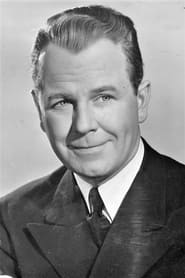
Regis Toomey
Actor
Born: August 13, 1898 in Pittsburgh, Pennsylvania, USA Died: October 12, 1991 Active: 1929-1969 Birth Name: John Francis Regis Toomey
Films
4 films
About Regis Toomey
Remarkably prolific American character actor: over five decades in Hollywood, beginning in the late silent era and continuing through the golden age of cinema. Born in Pittsburgh, Pennsylvania, he initially pursued a career in law before being drawn to the stage, making his Broadway debut in the 1920s. Toomey transitioned to films in 1929 with his debut in 'Alibi,' quickly establishing himself as a reliable supporting actor who could excel in both dramatic and comedic roles. Throughout the 1930s and 1940s, he appeared in over 100 films, often playing police officers, detectives, military men, and authoritative figures with his distinctive, authoritative presence. His career continued successfully through the 1950s and 1960s, where he made the transition to television, appearing in numerous popular series. Toomey's remarkable longevity in the entertainment industry, spanning from the early talkies to the television era, made him one of Hollywood's most recognizable character actors. He retired in the late 1960s after appearing in over 200 film and television productions, leaving behind a legacy of memorable performances that helped define the golden age of Hollywood cinema.
The Craft
On Screen
Regis Toomey was known for his naturalistic and versatile acting style, capable of portraying both authoritative figures and sympathetic characters with equal authenticity. His approach emphasized understated realism rather than theatricality, making his characters believable and relatable to audiences. Toomey had a distinctive voice and commanding presence that served him well in roles as police officers, military personnel, and other authority figures. He possessed the rare ability to convey complex emotions through subtle facial expressions and controlled delivery, making him particularly effective in dramatic scenes. His comedic timing was equally impressive, allowing him to seamlessly transition between genres.
Milestones
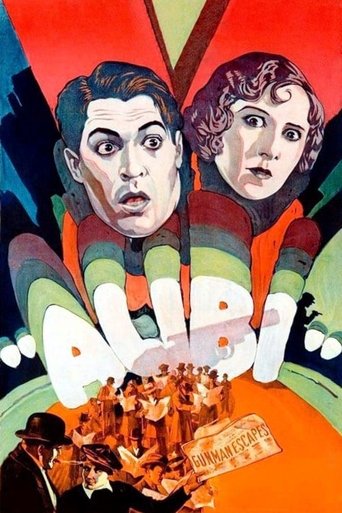
- Film debut in 'Alibi' (1929)
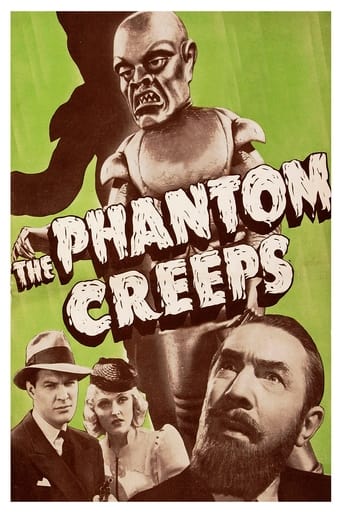
- Starred in 'The Phantom Creeps' (1939)
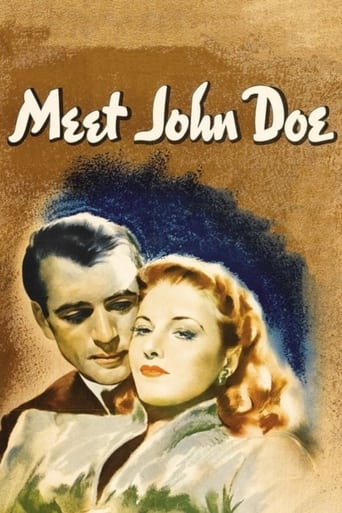
- Appeared in Frank Capra's 'Meet John Doe' (1941)
- Transition to successful television career in the 1950s
- Appeared in over 200 film and television productions
- Received a star on the Hollywood Walk of Fame
Best Known For
Iconic Roles
Must-See Films
Accolades
Won
- Hollywood Walk of Fame Star (1960)
Special Recognition
- Star on the Hollywood Walk of Fame at 6363 Hollywood Boulevard
- Recognized for his contributions to over 200 film and television productions
Working Relationships
Worked Often With
Studios
Why They Matter
Impact on Culture
Regis Toomey's cultural impact lies in his contribution to the golden age of Hollywood as. His presence in over 200 productions made him a familiar face to multiple generations of moviegoers, helping to create the supporting performances that defined classic Hollywood cinema. Toomey's ability to seamlessly adapt to different genres and acting styles demonstrated the versatility required of character actors during Hollywood's studio system. His work in both film and television helped bridge the gap between these two entertainment mediums, showing how established film actors could successfully transition to the small screen. Through his numerous roles as authority figures, Toomey helped shape the cinematic archetype of the dependable, trustworthy official character.
Lasting Legacy
Regis Toomey's legacy is that of a quintessential Hollywood character actor whose reliability and versatility made him an invaluable asset to the film industry for over four decades. His extensive filmography serves as a comprehensive record of American cinema from the early talkies through the classical Hollywood period and into the television age. Toomey is remembered for his professionalism and the consistency of his performances, which elevated even the smallest roles into memorable character studies. His work continues to be studied by film scholars and appreciated by classic cinema enthusiasts as an example of the crucial supporting performances that helped define the golden age of Hollywood. The sheer volume and quality of his work ensure that Regis Toomey remains an important figure in the history of American cinema.
Who They Inspired
Regis Toomey influenced subsequent generations of character actors through his demonstration of how to build a successful career through reliability, versatility, and professionalism. His naturalistic acting style helped pave the way for more realistic performances in supporting roles, moving away from the theatrical style common in early sound films. Toomey's successful transition from film to television provided a model for other established film actors facing the changing entertainment landscape of the 1950s. His ability to play authority figures with authenticity influenced how such characters would be portrayed in later films and television shows. Many character actors who followed in his footsteps looked to his career as an example of how to achieve longevity and respect in Hollywood without ever becoming a leading man.
Off Screen
Regis Toomey led a relatively private personal life, focusing primarily on his extensive career in entertainment. He married Kathryn Walker in 1927, and their marriage lasted until her death in 1962. The couple had three children together, and Toomey was known as a devoted family man who balanced his demanding career with his family responsibilities. After his first wife's death, he remarried in 1965 to Margaret L. McWade, who remained with him until his death. Toomey was also known for his professionalism and reliability on set, earning him respect from colleagues and directors throughout his long career.
Education
Attended Duquesne University, studied law before pursuing acting
Family
- Kathryn Walker (1927-1962)
- Margaret L. McWade (1965-1991)
Did You Know?
- Was originally studying to become a lawyer before switching to acting
- Made his film debut at age 31 in the early sound era
- Appeared in three films directed by Frank Capra
- Was a close friend of actor Pat O'Brien
- Served in the United States Army Air Forces during World War II
- His final film appearance was in 'The Great Bank Robbery' (1969)
- Was one of the few actors to successfully transition from silent films to television
- Never received an Academy Award nomination despite his extensive career
- Was known for his punctuality and professionalism on set
- Often played characters older than his actual age
- His distinctive voice made him popular in radio dramas as well as film
In Their Own Words
I've never been a star, but I've always worked as an actor
Playing character roles is like being a craftsman - you take pride in doing good work even if you're not the main attraction
The secret to longevity in this business is simple: show up on time, know your lines, and be professional
Frequently Asked Questions
Who was Regis Toomey?
Screen credits include over 200 films and television productions during a career spanning four decades, from 1929 to 1969. He was known for his versatile supporting roles, often playing authority figures like police officers and military men with his distinctive presence and naturalistic acting style.
What films is Regis Toomey best known for?
Titles linked here include Alibi (1929), The Phantom Creeps (1939).
When was Regis Toomey born and when did he die?
Born August 13, 1898; died October 12, 1991.
What awards did Regis Toomey win?
While Regis Toomey never received an Academy Award nomination despite his extensive career, he was honored with a star on the Hollywood Walk of Fame in 1960 at 6363 Hollywood Boulevard, recognizing his significant contributions to the entertainment industry.
What was Regis Toomey's acting style?
Regis Toomey was known for his naturalistic and understated acting style, emphasizing realism over theatricality. He possessed a distinctive voice and commanding presence that made him particularly effective in authoritative roles, while also demonstrating excellent comedic timing and the ability to convey complex emotions through subtle expressions.
How did Regis Toomey transition from film to television?
Regis Toomey successfully transitioned to television in the 1950s, appearing in numerous popular series including 'Perry Mason,' 'The Andy Griffith Show,' and 'Bonanza.' His versatility and professionalism made him a valuable character actor in the new medium, allowing him to continue his career well into the television era.
What was Regis Toomey's background before acting?
Before pursuing acting, Regis Toomey studied law at Duquesne University and initially planned to become a lawyer. He discovered his passion for performing while in college and began his career on Broadway in the 1920s before making his film debut in 1929.