War Comes to America
"War Comes to America (1945)"
Keys: Space play/pause · ←/→ 10s · F fullscreen · M mute · </> speed
About this film
The seventh and final film of Frank Capra's Why We Fight World War II propaganda film series. This entry attempts to describe the factors leading up to America's entry into the Second World War.
Cast & crew
More films like this


More Documentary films
View all →
More from Frank Capra
View all →


More about this film
About the production
Release dateJune 14, 1945
BudgetGovernment-funded as part of U.S. War Department propaganda effort (exact figure not publicly disclosed)
Box officeNot commercially released - distributed free to theaters, military bases, and educational institutions
ProductionU.S. War Department, Office of War Information, Special Service Division
Filmed inWashington D.C., Hollywood studios, Various archival footage locations worldwide
Created under the direct supervision of Chief of Staff George C. Marshall, the film utilized extensive archival footage from newsreels, military sources, and captured enemy material. The production team faced challenges in authenticating and properly crediting the vast amount of stock footage incorporated. The film was completed shortly before Germany's surrender but before Japan's capitulation, making it both a historical document and contemporary propaganda. Walter Huston's narration was recorded in multiple sessions to ensure the proper emotional tone for different sections of the complex narrative.
Themes
American isolationism vs. international responsibilityThe inevitability of democratic resistance to tyrannyThe transformation of American society through warThe moral imperative of fighting aggressionThe unity of diverse peoples against common threats
Themes & topics
World War IIpropagandaAmerican historyisolationismPearl HarborAxis powersdemocracymilitary historyforeign policynational unitywartime propagandahistorical documentary
Historical background
War Comes to America (1945) emerged during World War II and immediate postwar filmmaking, when exhibition habits and national film industries were still taking shape.
Why this film matters
War Comes to America remains accessible through digital archives, giving modern viewers a direct link to 1945 screen culture.
Making of
The production of War Comes to America was a massive undertaking that involved hundreds of military personnel and civilian filmmakers working under Capra's direction. The team spent months sifting through millions of feet of archival footage from various sources, including enemy propaganda films that were repurposed to show the true nature of the Axis threat. Capra, drawing on his Hollywood experience, employed sophisticated editing techniques and dramatic pacing to make the historical narrative as compelling as possible. The narration script went through numerous revisions, with input from military historians, government officials, and psychological warfare experts to ensure maximum persuasive impact. The film's musical score, composed by Dimitri Tiomkin, was recorded with a full orchestra and designed to evoke emotional responses at key moments in the narrative. Post-production was accelerated to ensure the film's release coincided with the final push toward victory in both Europe and the Pacific.
What critics said
Modern write-ups on War Comes to America (1945) tend to focus on preservation status, stylistic choices, and placement within director or studio filmographies.
Did you know?
- This was the seventh and final installment of Capra's acclaimed Why We Fight series, which won an Academy Award for Best Documentary Feature
- The film was initially classified as 'restricted' and shown only to military personnel before being approved for general public release
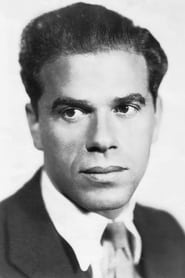
- Director Frank Capra, a decorated Army major, created the series after being personally requested by General George C. Marshall
- The film's extensive use of animated maps was revolutionary for documentary filmmaking and influenced later historical documentaries
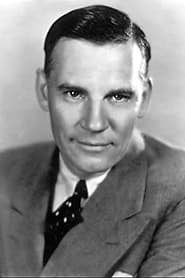
- Walter Huston, the film's narrator, was the father of director John Huston and had previously won an Academy Award for his role in 'Yankee Doodle Dandy'
- Despite being government propaganda, the film was praised for its relatively balanced presentation of historical facts
- The original cut included footage of the Battle of Midway, but it was removed to maintain focus on the causes of American entry into the war
- The film was translated into multiple languages and shown in liberated European countries as part of denazification efforts
- Capra later expressed mixed feelings about the series, acknowledging its propaganda value while questioning some of its oversimplifications
- The film's title was initially considered to be 'America Joins the Fight' before being changed to the more dramatic 'War Comes to America'
Awards & recognition
- Academy Award for Best Documentary Feature (1945) - awarded to the entire Why We Fight series
Visual style
The cinematography of War Comes to America represents a masterful integration of diverse visual sources, including newsreel footage, military training films, captured enemy material, and specially shot sequences. The film's visual team, led by cinematographer Robert Flaherty, employed innovative techniques for combining footage from different sources with varying quality and aspect ratios, creating a surprisingly cohesive visual narrative. The use of dramatic close-ups of historical figures, sweeping aerial shots of battle scenes, and intimate footage of ordinary citizens helped to humanize the epic historical events being described. The film's visual pacing was carefully calibrated to build emotional tension, with rapid cutting during sequences showing Axis aggression and more contemplative pacing during sections describing American isolationist sentiment. The cinematographic approach emphasized authenticity while maintaining visual interest, avoiding the static, talking-head style typical of many documentaries of the era.
Innovations
War Comes to America pioneered several technical innovations in documentary filmmaking, particularly in the integration of multiple film sources and formats. The production team developed new methods for matching footage of varying quality and grain, creating visual consistency despite the diverse origins of the material. The film's animated sequences, created by Disney artists, represented some of the most sophisticated use of animation in documentary filmmaking up to that time, particularly in depicting military movements and strategic concepts. The sound engineering team developed new techniques for balancing narration, music, and effects tracks from different sources, creating a clear and impactful audio experience. The film's editing approach, which combined rapid cutting for dramatic effect with longer sequences for historical exposition, influenced documentary editing practices for decades. The production also advanced the use of color tinting in black-and-white footage to emphasize emotional content and guide audience interpretation of complex historical material.
Music
The musical score for War Comes to America was composed by Dimitri Tiomkin, one of Hollywood's most prominent composers, who brought his dramatic sensibilities to the documentary format. The soundtrack combines original orchestral compositions with carefully selected period music, creating an emotional arc that mirrors the film's narrative progression from peace to war. Tiomkin employed leitmotifs for different countries and concepts, with heroic American themes contrasting with ominous musical passages representing the Axis powers. The score was recorded with a full orchestra at Warner Brothers studios, giving the documentary the same musical sophistication as a major feature film. The music was carefully synchronized with the visual elements, with dramatic swells accompanying key historical moments and quieter passages supporting more contemplative sections. The soundtrack's effectiveness in enhancing the film's emotional impact was frequently cited by contemporary reviewers as one of the documentary's strongest elements.
Famous quotes
It is not the soil that makes America great, but the ideals that we have planted in that soil.
Walter Huston narration
We have learned by bitter experience that the price of isolation is the loss of freedom.
When you see a rattlesnake poised to strike, you do not wait until it has struck before you crush it.
Franklin D. Roosevelt (quoted in film)
The story of how war came to America is not a story of choice, but of necessity.
In this new world, the only alternative to war is a world of law and order.
Memorable scenes
- The dramatic sequence showing the attack on Pearl Harbor, combining actual footage with animated maps to illustrate the strategic impact
- The powerful montage contrasting American isolationist sentiment with concurrent Axis aggression, building tension through rapid cross-cutting
- The emotional sequence showing Roosevelt's 'Day of Infamy' speech to Congress, intercut with reactions from ordinary Americans
- The climactic montage showing American mobilization for war, transforming peaceful communities into unified war effort participants
What audiences thought
War Comes to America was enthusiastically received by wartime audiences who found it both informative and emotionally satisfying as a justification for American involvement in the war. Veterans and military personnel particularly appreciated the film's clear explanation of why they had been called to fight, helping to reinforce their sense of purpose during the war's final, difficult months. The film was shown in thousands of theaters across the country as part of double features with entertainment films, reaching millions of Americans during its initial release. Audience surveys conducted by the Office of War Information indicated that the film significantly increased public understanding of the historical causes of the war and strengthened support for the continued war effort. Post-war audiences continued to find value in the film as an educational tool, with schools and community groups frequently screening it for historical instruction well into the 1950s.
Film connections
Influenced by
- Leni Riefenstahl's Triumph of the Will (as a negative example of propaganda)
- Dziga Vertov's documentary techniques
- Hollywood narrative filmmaking conventions
- British documentary movement of the 1930s
- Newsreel journalism traditions
- Government informational films of the New Deal era
This film influenced
- The Cold War documentary series of the 1950s
- Ken Burns' historical documentaries
- Television news documentary programs
- Modern historical documentary series
- Government-produced educational films
- Political campaign documentaries
Film restoration
War Comes to America has been preserved by the National Archives and Records Administration as part of the Why We Fight series collection. The original 35mm negatives and soundtracks are maintained in climate-controlled facilities, and the film has been transferred to modern digital formats for archival purposes. The Library of Congress also holds preservation copies as part of its National Film Registry collection. The film underwent restoration in the 1990s as part of a comprehensive effort to preserve the entire Why We Fight series, with damaged footage repaired and sound quality enhanced. Digital restoration completed in 2015 further improved the film's visual and audio quality while maintaining historical authenticity.
Where to watch
- National Archives website (free streaming)
- YouTube (official National Archives channel)
- Internet Archive (free download and streaming)
- Various educational streaming services
- DVD collections of the Why We Fight series
- Public library collections
- Museum of Modern Art film screenings (occasionally)
- University film archives and libraries