



Attack! The Battle for New Britain
"Signal Corps footage from New Britain landings."
Keys: Space play/pause · ←/→ 10s · F fullscreen · M mute · </> speed
About this film
Actual footage by the United States Signal Corps of the landing and attack on Arawe Beach, Cape Glouster, New Britain island in 1943 in the South Pacific theatre of World War Two, and the handicaps of the wild jungle in addition to the Japanese snipers and pill-box emplacements.
Cast & crew
More films like this

More War films
View all →





More from Frank Capra
View all →






More about this film
About the production
Release date1944
Box officeNot applicable (military documentary, not commercial release)
ProductionU.S. Army Signal Corps, U.S. Office of War Information
Filmed inNew Britain Island, Papua New Guinea, Arawe Beach, Cape Gloucester, South Pacific Theater
the production was created as part of the U.S. government's wartime documentary series to inform both military personnel and the American public about ongoing operations in the Pacific. The footage was captured by combat cameramen from the U.S. Army Signal Corps who were embedded with the 1st Marine Division during the actual assault. These photographers risked their lives alongside combat troops to obtain the authentic battlefield footage. The film was edited and produced under the supervision of Frank Capra, who was serving as a colonel in the U.S. Army Signal Corps at the time. The production utilized actual combat footage without reenactments, making it among the leading authentic wartime documentaries of its era.
Themes
Courage under fireThe brutality of jungle warfareMilitary strategy and tacticsAmerican resilienceThe human cost of war
Themes & topics
World War IIPacific TheaterJungle warfareAmphibious landingCombat photographyMilitary documentaryNew BritainCape GloucesterSignal CorpsMarine CorpsIsland hoppingWar propagandaAuthentic footageBattle documentation
Historical background
Attack! The Battle for New Britain (1944) reached screens through U.S. Army Signal Corps. Exhibitors of the time built studio-era schedules that mixed shorts, features, and live acts, so a clear premise helped Attack! The Battle for New Britain travel between cities and exchange markets.
Why this film matters
Archivists and revival programmers still cite Attack! The Battle for New Britain (1944) when tracing studio habits, casting pools, and the visual rhetoric audiences once took for granted. Even modest surviving prints help map how Attack! The Battle for New Britain fit beside competing releases of its day.
Making of
The production of this documentary was a remarkable achievement in wartime filmmaking. Frank Capra, already an acclaimed Hollywood director, was commissioned as a major in the U.S. Army Signal Corps and put in charge of the motion picture unit. He assembled a team of talented filmmakers from Hollywood and trained them as soldiers. The combat footage was captured by Signal Corps photographers who landed with the first wave of troops at Arawe Beach. These cameramen carried both weapons and cameras, often having to choose between filming and fighting for their lives. The footage was processed under difficult conditions in field laboratories, sometimes just miles from the front lines. The editing process took place in California, where Capra and his team worked to assemble the raw combat footage into a coherent narrative that would serve both informational and propaganda purposes. The narration was carefully crafted to explain military strategy while maintaining morale and emphasizing the importance of the Pacific campaign.
What critics said
Trade coverage around 1944 discussed Attack! The Battle for New Britain for pacing, clarity, and program fit rather than blockbuster grosses. Later writers value it as evidence of period style and as a reference point beside other films from the same era.
Did you know?
- Frank Capra, despite being one of Hollywood's most successful directors, served as a commissioned officer in the U.S. Army Signal Corps during World War II and oversaw the production of numerous wartime documentaries.
- The combat cameramen who captured this footage were part of an elite unit that received special training in both military operations and cinematography.
- the production was part of the 'Army-Navy Screen Magazine' series, which were shown to military personnel and sometimes in civilian theaters.
- The actual battle depicted (Cape Gloucester) lasted from December 26, 1943, to April 22, 1944, and involved approximately 13,000 U.S. Marines.
- Many of the Signal Corps cameramen were wounded or killed while filming combat operations throughout World War II.
- The film's narration was written to emphasize the strategic importance of New Britain in the overall Pacific campaign.
- This documentary was used as a training film for troops preparing for similar jungle warfare operations.
- The footage shown includes some of the earliest combat helicopter evacuation sequences ever filmed.
- The Japanese defensive positions shown were actual fortifications captured during the assault, not movie set constructions.
- the production was one of the first to show the extensive use of flamethrowers in jungle combat conditions.
Awards & recognition
- Academy Award Nominee for Best Documentary Feature (1945)
Visual style
The cinematography in this documentary is remarkable for its authenticity and technical achievement under combat conditions. The Signal Corps cameramen used handheld 35mm cameras, often under fire, to capture footage that puts viewers directly in the midst of the action. The film includes stunning amphibious landing sequences shot from multiple angles, including from landing craft and the beach itself. The jungle footage effectively conveys the claustrophobic, disorienting nature of fighting in dense tropical foliage. The cinematographers managed to capture both wide tactical views and intimate moments of individual soldiers in combat. The use of natural lighting and available light techniques creates a gritty, realistic feel that no studio production could replicate. The camera work during combat sequences shows remarkable stability and composition considering the dangerous conditions under which it was filmed.
Innovations
the production represented several technical achievements in wartime documentary production. The use of portable 35mm cameras in combat conditions was groundbreaking, allowing for footage of unprecedented quality and immediacy. The Signal Corps developed special waterproof housing for cameras used during the amphibious landing sequences. The film's editing techniques, particularly the integration of multiple camera angles to create coherent battle sequences, were innovative for documentary filmmaking of the era. The preservation and processing of film under tropical conditions presented significant technical challenges that were overcome through field-developed techniques. The synchronization of narration with authentic combat audio was another technical achievement that enhanced the film's impact. These innovations would influence documentary filmmaking techniques for decades to come.
Music
The film's musical score was composed to enhance the dramatic impact of the combat footage while maintaining the documentary's serious tone. The music incorporates military themes and patriotic motifs typical of wartime productions, but also includes more subtle passages that underscore the human drama of the battle. The sound design is particularly notable for its use of actual combat audio, including weapons fire, explosions, and troop movements recorded on location. The narration, delivered in a clear, authoritative voice typical of wartime documentaries, provides strategic context and explains the significance of the events shown. The combination of authentic battlefield sounds with composed musical elements creates a powerful audio experience that complements the visual footage without overwhelming it.
Famous quotes
This is not a movie - this is war, photographed as it happened, where it happened, by men who lived through it and photographed it.
In this steaming jungle, every step forward is a victory over nature itself.
The enemy is not only in front of you - he's all around you, hidden in the green hell that surrounds you.
Each pillbox taken, each yard of beach secured, brings us closer to victory in the Pacific.
These men fight not just for the ground beneath their feet, but for the future of freedom itself.
Memorable scenes
- The dramatic amphibious landing sequence showing landing craft approaching Arawe Beach under fire, with troops wading through chest-deep water while enemy shells explode around them.
- The intense jungle combat footage showing Marines advancing through dense foliage while engaging hidden Japanese positions and dealing with the natural obstacles of the terrain.
- The scenes of flamethrower teams clearing enemy bunkers, demonstrating the brutal reality of close-quarters combat in the Pacific.
- The aerial reconnaissance footage showing the strategic layout of Cape Gloucester and the importance of its airfields to the overall Pacific campaign.
- The evacuation of wounded soldiers through the jungle, highlighting both the medical challenges and the compassion of fellow soldiers under fire.
What audiences thought
When shown in military theaters and selected civilian venues, the film was received with great interest and respect. Military personnel particularly valued the authentic depiction of conditions they were facing or would soon encounter. Civilian audiences, though sometimes shocked by the graphic nature of the combat footage, appreciated the insight into the Pacific theater of operations. The film helped bridge the gap between the American home front and the distant, often misunderstood war in the jungles of the South Pacific. Veterans of the Pacific campaign later remarked on the accuracy of the film's portrayal of jungle warfare conditions. Family members of servicemen found the film both informative and emotionally challenging, as it gave them a realistic understanding of what their loved ones were experiencing overseas.
Film connections
Influenced by
- Why We Fight series
- The Battle of Midway
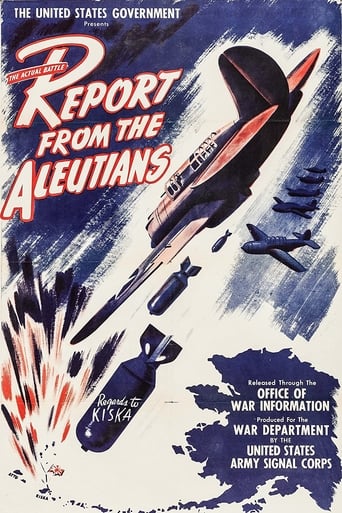
- Report from the Aleutians
- The Memphis Belle
- With the Marines at Tarawa
This film influenced
- Victory at Sea
- The World at War
- Korea: The Unknown War
- Vietnam: The Ten Thousand Day War
- The Civil War
Film restoration
The film has been preserved by the National Archives and Records Administration as part of their collection of World War II military documentaries. Original 35mm elements are maintained in climate-controlled facilities. The film has been digitally restored and is available in high definition for historical and educational purposes. Several film archives, including the Library of Congress and the Academy Film Archive, hold copies of this important documentary. The preservation efforts ensure that this authentic record of World War II combat remains accessible to future generations.
Where to watch
- National Archives website
- U.S. Army Heritage and Education Center
- YouTube (official uploads)
- Internet Archive
- Military Channel broadcasts
- Educational film distributors
- War film documentary collections
- Museum of Modern War film library