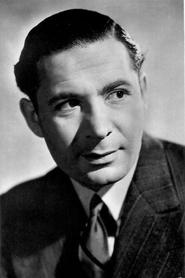
Leo Genn
Actor
Born: August 9, 1905 in London, England Died: January 26, 1978 Active: 1933-1978 Birth Name: Leo John Genn
Films
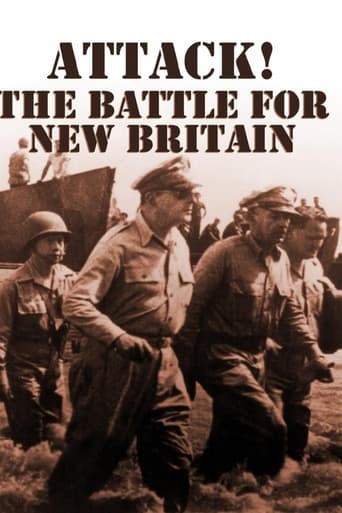
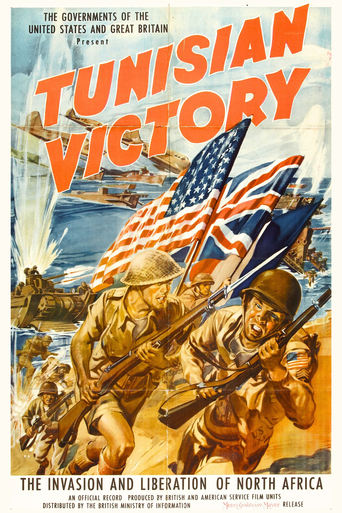
2 films
About Leo Genn
British actor and barrister: over four decades in film, television, and theater. Born into a Jewish family in London, he initially pursued law and was called to the bar in 1930, practicing as a barrister before fully committing to acting. His stage career began in the 1930s with the Birmingham Repertory Company, leading to his West End debut and subsequent transition to film. During World War II, Genn served with distinction in the Royal Artillery, reaching the rank of Lieutenant Colonel and being awarded the Croix de Guerre for his service. His breakthrough film role came in 1951 with 'Quo Vadis,' earning him an Academy Award nomination for Best Supporting Actor. Throughout the 1950s and 1960s, he appeared in numerous prestigious productions, often playing authoritative, intellectual, or aristocratic characters. Genn continued working until his death in 1978, leaving behind a legacy of refined performances that showcased his classical training and natural authority.
The Craft
On Screen
Genn was known for his dignified, authoritative presence and refined delivery, often portraying educated professionals, military officers, and aristocrats. His classical training gave him exceptional diction and gravitas, while his legal background informed his precise, analytical approach to character development. He excelled at bringing intellectual depth to his roles, combining theatrical tradition with naturalistic screen presence.
Milestones
- Called to the bar as a barrister (1930)
- Academy Award nomination for Quo Vadis (1951)
- Served as Lieutenant Colonel in Royal Artillery during WWII
- Awarded Croix de Guerre for military service
- Appointed Officer of the Order of the British Empire (OBE) in 1962
- Appeared in over 50 films spanning four decades
Best Known For
Iconic Roles
Must-See Films
Accolades
Won
- Officer of the Order of the British Empire (OBE) (1962)
- Croix de Guerre (France) (1945)
Nominated
- Academy Award for Best Supporting Actor - Quo Vadis (1951)
- Golden Globe for Best Supporting Actor - Quo Vadis (1951)
Special Recognition
- Hollywood Walk of Fame Star (1960)
- Royal Artillery service recognition
- British Academy recognition for contributions to cinema
Working Relationships
Worked Often With
Studios
Why They Matter
Impact on Culture
Leo Genn represented the epitome of the British classical actor in Hollywood's Golden Age, bridging the gap between theatrical tradition and cinematic naturalism. His success demonstrated that British actors could maintain their cultural identity while achieving international stardom. Genn's dual career as a barrister and actor challenged stereotypes about the arts and professions, showing that intellectual pursuits and artistic expression could coexist. His wartime service and subsequent military roles in films helped shape post-war perceptions of British leadership and dignity.
Lasting Legacy
Leo Genn's legacy endures through his memorable performances that exemplify British dignity and intellectual authority in cinema. He paved the way for subsequent generations of classically trained British actors to find success in Hollywood while maintaining their distinct cultural identity. His Academy Award nomination for 'Quo Vadis' remains a significant milestone for British actors in American cinema. Genn is remembered as a Renaissance man who successfully balanced multiple careers and contributed significantly to both the legal and artistic communities.
Who They Inspired
Genn influenced subsequent generations of British actors by demonstrating that classical training could translate effectively to screen performance. His ability to portray authority with subtlety and intelligence became a template for actors playing professional and military roles. His success in both British and American productions helped establish the transatlantic career path that many British actors would later follow. Genn's commitment to maintaining his legal career while acting inspired performers to pursue diverse intellectual interests alongside their artistic work.
Off Screen
Leo Genn led a personal life marked by intellectual pursuits and public service. He maintained his legal credentials throughout his acting career and was respected in both professional fields. Genn was known for his wit, erudition, and dedication to charitable causes, particularly those supporting the arts and veterans' organizations. Despite his success, he remained grounded and maintained close relationships with family and friends from his legal and military backgrounds.
Education
St. Paul's School, London; University of Cambridge (graduated with honors in law); Called to the Bar at Inner Temple (1930)
Family
- Pamela Margaret O'Grady (1933-1978)
Did You Know?
- Was a qualified barrister and maintained his legal credentials throughout his acting career
- Served as Lieutenant Colonel in the Royal Artillery during World War II
- Was one of the few actors to receive both military honors and acting awards
- Spoke multiple languages fluently, including French and German
- Was a keen chess player and often played between takes on film sets
- His performance in 'Quo Vadis' was so acclaimed that MGM offered him a long-term contract
- Was a founding member of the Royal Society of Arts' entertainment committee
- Narrated several documentaries and educational films in addition to his acting work
- Was offered knighthood but declined, preferring to remain 'plain Mr. Genn'
- His daughter Josephine became a successful theater producer
In Their Own Words
Acting is not about becoming someone else, but about revealing parts of yourself through another character's eyes.
The law teaches you discipline and precision - qualities that serve an actor well on stage and screen.
I never saw my legal career and acting as separate. Both require understanding human nature and presenting arguments convincingly.
War teaches you that authority comes from responsibility, not rank - a lesson I applied to every character I played.
Frequently Asked Questions
Who was Leo Genn?
British with credits in this catalog. He was best known for his authoritative presence and received an Academy Award nomination for his role in 'Quo Vadis' (1951).
What films is Leo Genn best known for?
Titles linked here include Quo Vadis (1951), Moby Dick (1956).
When was Leo Genn born and when did he die?
Born August 9, 1905; died January 26, 1978.
What awards did Leo Genn win?
Leo Genn was nominated for an Academy Award and Golden Globe for 'Quo Vadis' (1951), and was appointed Officer of the Order of the British Empire (OBE) in 1962. He also received the Croix de Guerre for his military service during World War II.
What was Leo Genn's acting style?
Genn was known for his dignified, authoritative presence and refined delivery, often portraying educated professionals and aristocrats. His classical training gave him exceptional diction and gravitas, while his legal background informed his precise, analytical approach to character development.
Did Leo Genn have a career outside of acting?
Yes, Leo Genn — qualified barrister who was called to the bar in 1930 and maintained his legal credentials throughout his acting career. He also served as a Lieutenant Colonel in the Royal Artillery during World War II, earning the Croix de Guerre for his service.
What was Leo Genn's personal life like?
Leo Genn was married to Pamela Margaret O'Grady from 1933 until his death in 1978, and they had one daughter named Josephine. He was known for his intellectual pursuits, wit, and dedication to charitable causes supporting the arts and veterans.
How did Leo Genn influence cinema?
Leo Genn helped establish the template for British actors achieving success in Hollywood while maintaining their cultural identity. His blend of classical training and naturalistic screen acting influenced subsequent generations of British performers, and his dual career as a lawyer and actor challenged stereotypes about artistic and intellectual pursuits.