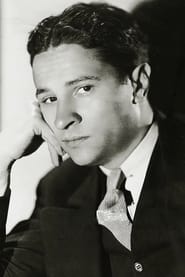
Anthony Veiller
Actor
Born: June 21, 1903 in New York City, New York, USA Died: June 27, 1965 Active: 1934-1965
Films
2 films
About Anthony Veiller
Anthony Veiller (1903-1965) was an American screenwriter and occasional director who made significant contributions to Hollywood's Golden Age. Born into a theatrical family as the son of renowned playwright Bayard Veiller, he began his career in the 1930s and quickly established himself as a versatile writer capable of handling various genres. Veiller's most celebrated work includes the screenplay adaptation of 'The Killers' (1946), which earned him an Academy Award nomination, and his uncredited contributions to the classic 'Casablanca' (1942). During World War II, he in creating propaganda documentaries for the U.S. Government, including the acclaimed 'Why We Fight' series directed by Frank Capra. After the war, Veiller continued writing successful screenplays throughout the 1940s and 1950s, often collaborating with major studios and directors. His later years saw him transition to television writing before his death in 1965, leaving behind a legacy of influential cinematic works.
The Craft
Milestones
- Academy Award nomination for The Killers (1946)
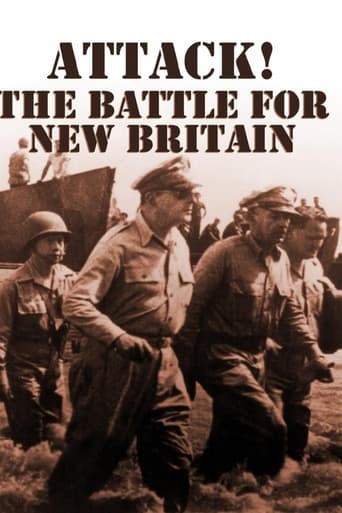
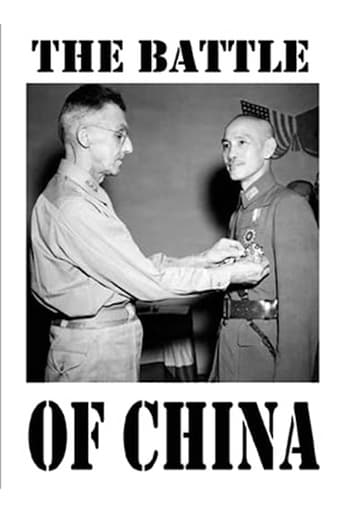
- Writer for Frank Capra's Why We Fight series
- Uncredited contributions to Casablanca (1942)
- Writer-director of The Story of G.I. Joe (1945)
- Screenwriter for The Stranger (1946)
Best Known For
Iconic Roles
Must-See Films
Accolades
Won
- Academy Award nomination for Best Writing, Screenplay for The Killers (1946)
Nominated
- Academy Award nomination for Best Writing, Screenplay for The Killers (1946)
- Writers Guild of America Award nominations for various screenplays
Special Recognition
- Contributor to Academy Award-winning documentary series
- Recognized for wartime propaganda contributions
Working Relationships
Worked Often With
Studios
Why They Matter
Impact on Culture
Anthony Veiller's work significantly influenced American cinema, particularly in the film noir genre through his adaptation of 'The Killers,' which helped establish many of the genre's conventions. His contributions to the 'Why We Fight' series were instrumental in shaping American public opinion during World War II, demonstrating the power of cinema as a propaganda tool. Veiller's ability to adapt literary works for the screen helped bridge the gap between high literature and popular entertainment, making sophisticated narratives accessible to mass audiences.
Lasting Legacy
Veiller's legacy endures through his influential screenplays that continue to be studied in film schools and his documentary work that remains historically significant. His contributions to classic films like 'Casablanca' and 'The Killers' have secured his place in Hollywood history, while his wartime documentaries represent an important chapter in the relationship between cinema and politics. Many modern screenwriters cite his adaptation techniques as influential in their own work.
Who They Inspired
Veiller influenced generations of screenwriters through his sophisticated approach to adaptation and his ability to work across multiple genres. His documentary techniques during WWII established standards for political filmmaking that continue to be referenced today. The clarity and efficiency of his narrative structure became a model for both feature films and documentaries.
Off Screen
Anthony Veiller came from a prominent theatrical family and married actress Eleanor Griffin, who was also a successful screenwriter. The couple collaborated on several projects and maintained a strong partnership both personally and professionally throughout Hollywood's Golden Age. Veiller was known for his intellectual approach to screenwriting and his ability to adapt complex literary works for the screen.
Education
Yale University, graduated 1925
Family
- Eleanor Griffin (1934-1965, his death)
Did You Know?
- Son of playwright Bayard Veiller who wrote 'The Trial of Mary Dugan'
- Worked uncredited on the screenplay for 'Casablanca'
- Was a classmate of Cole Porter at Yale
- Served in the U.S. Army Signal Corps during WWII
- Taught screenwriting at the University of Southern California
- His wife Eleanor Griffin won an Academy Award for 'The Awful Truth'
- Wrote for both film and television throughout his career
- Contributed to multiple Academy Award-winning films
- Was known for his meticulous research and attention to historical accuracy
- Spoke several languages fluently which helped his international film work
In Their Own Words
A good screenplay is like a good joke - if you have to explain it, it's not working
The challenge of adaptation isn't to replicate the book, but to capture its soul on film
Documentary film at its best can change the course of history
Frequently Asked Questions
Who was Anthony Veiller?
Prominent American screenwriter and on YTB.my.
What films is Anthony Veiller best known for?
Titles linked here include The Killers (1946), Casablanca (1942, uncredited).
When was Anthony Veiller born and when did he die?
Born June 21, 1903; died June 27, 1965.
What awards did Anthony Veiller win?
Veiller received an Academy Award nomination for Best Writing, Screenplay for 'The Killers' in 1946, and contributed to several Academy Award-winning films, though he didn't receive many personal awards during his lifetime.
What was Anthony Veiller's writing style?
Veiller was known for his crisp, efficient dialogue and his ability to adapt complex literary works into accessible screenplays. He excelled at maintaining narrative clarity while preserving the thematic depth of his source material.