Douglas MacArthur
Actor
Born: January 26, 1880 in Little Rock, Arkansas, USA Died: April 5, 1964 Active: 1944-1944
Films
1 film
About Douglas MacArthur
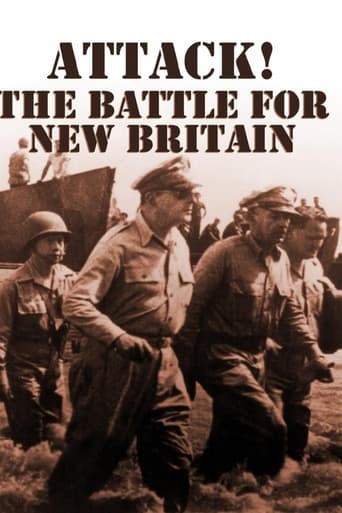
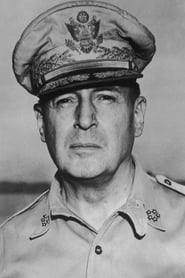
Douglas MacArthur was not a professional actor but rather one of America's most military leaders who appeared in documentary films and newsreels. As a five-star general, he commanded Allied forces in the Southwest Pacific during World War II and later served as Supreme Commander for the Allied Powers in Japan. His appearance in 'Attack! The Battle for New Britain' (1944) was as himself, documenting actual wartime events rather than a dramatic performance. MacArthur's film appearances were limited to documentaries, newsreels, and archival footage that captured his military career and public addresses. He became photographed and filmed military figures of his era, with his distinctive corn cob pipe, sunglasses, and corncob pipe making him instantly recognizable. His presence in wartime documentaries served both propaganda and historical documentation purposes, bringing the reality of the war to American audiences. MacArthur's 'film career' was essentially an extension of his military service and public role rather than an artistic pursuit.
The Craft
On Screen
Not applicable - appeared as himself in documentaries, not a professional actor
Milestones
- Graduated first in his class at West Point (1903)
- Commanded American forces in the Pacific Theater during WWII
- Served as Supreme Commander for the Allied Powers in Japan
- Received the Medal of Honor for his service in the Philippines
- Fired by President Truman during the Korean War
- Famous 'I shall return' promise to the Philippines
Best Known For
Iconic Roles
Must-See Films
Accolades
Won
- Medal of Honor
- Service Cross with three oak leaf clusters
- Service Medal with four oak leaf clusters
- Silver Star with six oak leaf clusters
- Flying Cross
- Purple Heart
Special Recognition
- Five-Star General rank
- West Point Graduate (Class of 1903)
- Superintendent of West Point (1919-1922)
- Army Chief of Staff (1930-1935)
Working Relationships
Worked Often With
Why They Matter
Impact on Culture
MacArthur's appearances in wartime documentaries and newsreels helped shape American public perception of World War II and the Pacific Theater. His famous 'I shall return' promise to the Philippines became. His distinctive appearance and dramatic speaking style made him. The documentary footage featuring MacArthur served both as historical documentation and as morale-boosting propaganda for the American public. His presence in films like 'Attack! The Battle for New Britain' provided authenticity and gravitas to wartime documentaries, helping audiences connect with the reality of the conflict.
Lasting Legacy
Douglas MacArthur's legacy in cinema is primarily as a historical figure whose military career was extensively documented in film. His appearances in documentaries and newsreels have become invaluable historical resources, preserving his speeches, military strategies, and the dramatic moments of World War II for future generations. While not an actor, his commanding presence and dramatic flair made him a compelling subject for filmmakers and documentarians. The footage of MacArthur has been used in countless historical documentaries about World War II, ensuring that his image and voice remain familiar to modern audiences. His film appearances, though limited to non-fiction content, have contributed to his status as.
Who They Inspired
MacArthur's influence on cinema was indirect but significant, as his military career and personality became the template for many fictional military commanders in later films. His distinctive style, including his sunglasses and pipe, has been emulated by actors playing military roles. The documentary footage featuring MacArthur set standards for wartime journalism and documentary filmmaking, showing how military leadership could be effectively captured on film. His dramatic speeches and public appearances demonstrated the power of film in shaping public opinion during wartime, influencing how military leaders would use media in subsequent conflicts.
Off Screen
Douglas MacArthur came from a military family, with his father Arthur MacArthur Jr. Also being a Medal of Honor recipient. He married twice - first to Louise Cromwell Brooks in 1922, which ended in divorce in 1929, and later to Jean Faircloth in 1937, who remained his wife until his death. He had one son, Arthur MacArthur IV, born in 1938. MacArthur was known for his distinctive personal style, including his corncob pipe, sunglasses, and custom-made uniforms. His relationship with President Harry Truman was famously contentious, leading to his dismissal during the Korean War.
Education
United States Military Academy at West Point (graduated 1903, first in class)
Family
- Louise Cromwell Brooks (1922-1929)
- Jean Faircloth (1937-1964)
Did You Know?
- Was one of only five Americans to hold the five-star General of the Army rank
- His famous 'I shall return' promise was made on March 20, 1942, after leaving the Philippines
- Graduated first in his class of 93 cadets at West Point in 1903
- His father, Arthur MacArthur Jr., was also a Medal of Honor recipient
- Was considered for the 1948 Republican presidential nomination but declined to run
- His dismissal by President Truman in 1951 caused a constitutional crisis
- Spent his final years living at the Waldorf-Astoria Hotel in New York
- His memoir 'Reminiscences' won the Pulitzer Prize for Biography in 1965
- Was portrayed by Gregory Peck in the 1977 film 'MacArthur'
- His famous pipe was actually a Missouri Meerschaum corn cob pipe
In Their Own Words
I shall return.
Old soldiers never die; they just fade away.
In war, there is no substitute for victory.
Duty, honor, country.
I am concerned for the security of our great Nation; not so much because of any threat from without, but because of the insidious forces working from within.
Frequently Asked Questions
Who was Douglas MacArthur?
Five-star American general who served in World War I, World War II, and the Korean War. He appeared in documentaries like 'Attack! The Battle for New Britain' as himself, not as a professional actor. He was.S. History.
What films is Douglas MacArthur best known for?
Titles linked here include Attack! The Battle for New Britain (1944), Various newsreels and wartime documentaries.
When was Douglas MacArthur born and when did he die?
Born January 26, 1880; died April 5, 1964.
What awards did Douglas MacArthur win?
MacArthur received numerous military honors including the Medal of Honor, the Service Cross, multiple Service Medals, and was promoted to five-star General of the Army. His memoir won a posthumous Pulitzer Prize.
What was Douglas MacArthur's acting style?
Douglas MacArthur was not a professional actor and did not have an acting style. His appearances in films were as himself in documentary footage, where his natural military bearing and public speaking style were captured authentically.
Why did Douglas MacArthur appear in films?
MacArthur appeared in documentaries and newsreels as part of his role as a military commander during wartime. These appearances served to document historical events, provide information to the public, and boost morale during World War II.
What was MacArthur's role in 'Attack! The Battle for New Britain'?
In 'Attack! The Battle for New Britain' (1944), MacArthur appeared as himself, likely in archival footage or newsreel segments documenting the military campaign in the Southwest Pacific Theater during World War II.
How is Douglas MacArthur remembered in film history?
MacArthur is remembered in film history as a historical figure whose military career was extensively documented in newsreels and documentaries. His image and speeches have been preserved in countless historical films about World War II, making him.