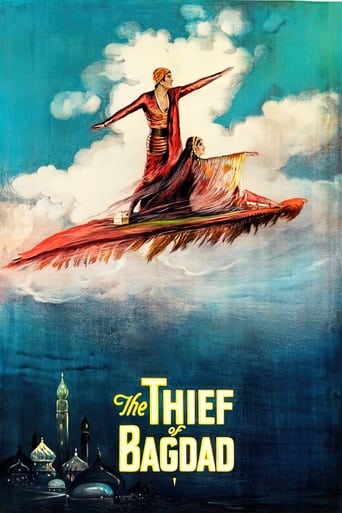
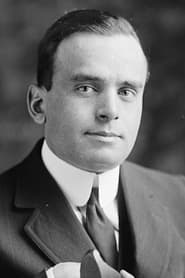
Douglas Fairbanks
Actor
Born: May 23, 1883 in Denver, Colorado, USA Died: December 12, 1939 Active: 1915-1934 Birth Name: Douglas Elton Thomas Ullman
Films
28 films
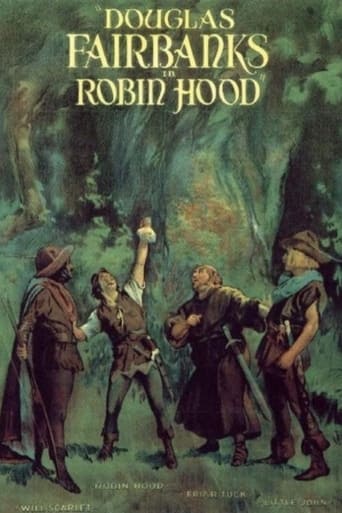
Robin Hood
1922
The Mystery of the Leaping Fish
1916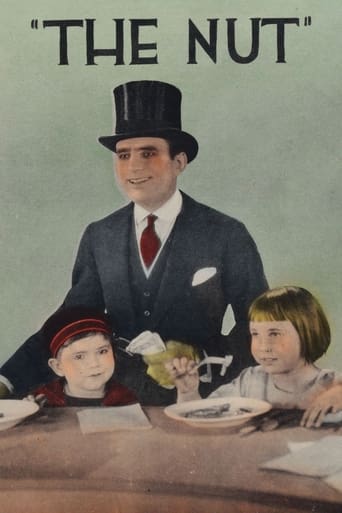
The Nut
1921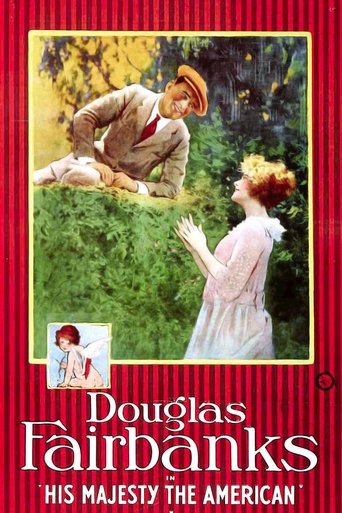
His Majesty, the American
1919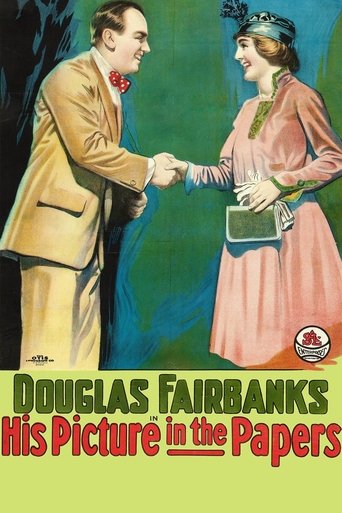
His Picture in the Papers
1916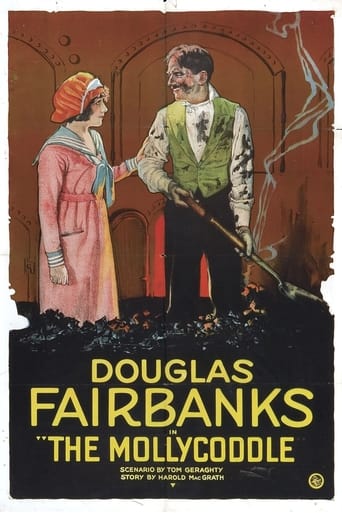
The Mollycoddle
1920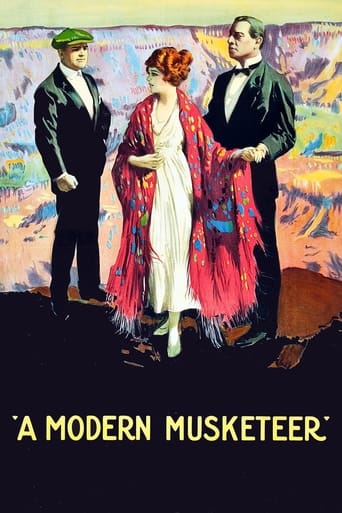
A Modern Musketeer
1917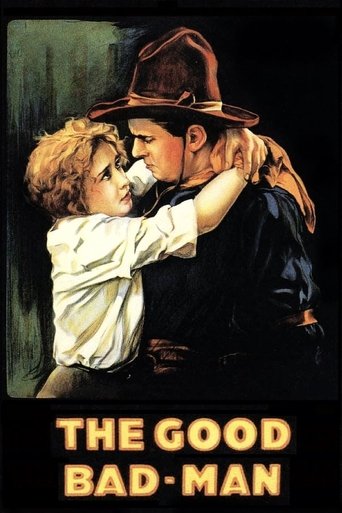
The Good Bad-Man
1916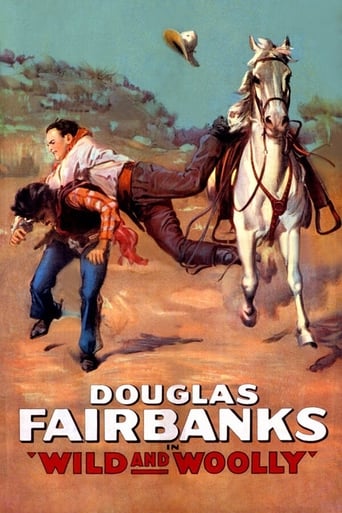
Wild and Woolly
1917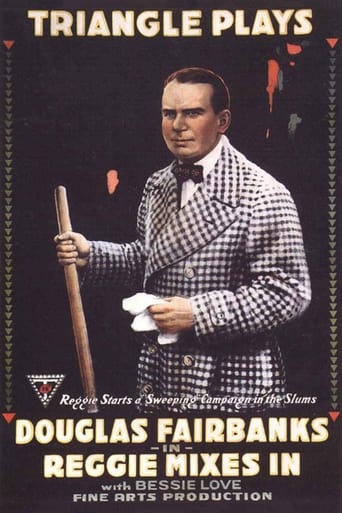
Reggie Mixes In
1916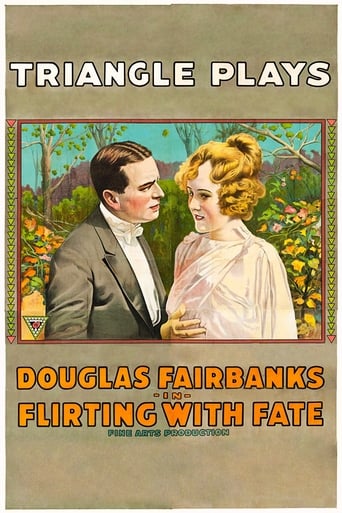
Flirting with Fate
1916
When the Clouds Roll By
1919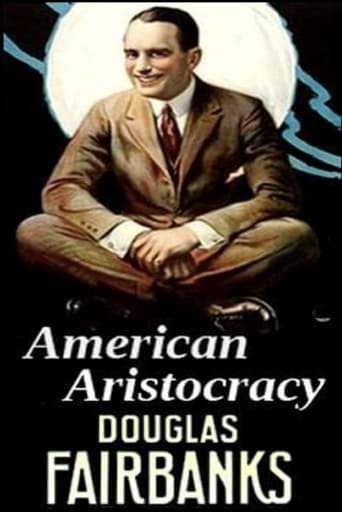
American Aristocracy
1916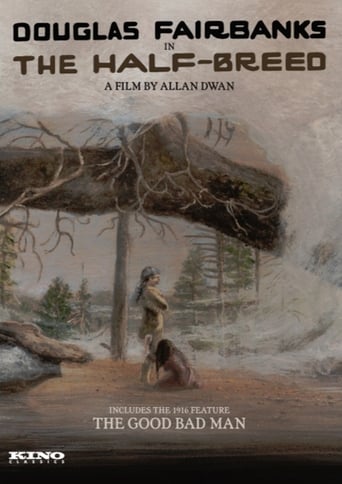
The Half-Breed
1916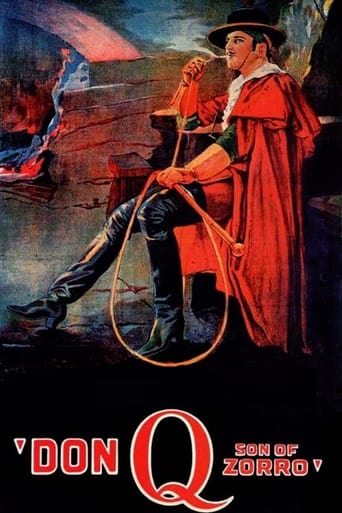
Don Q Son of Zorro
1925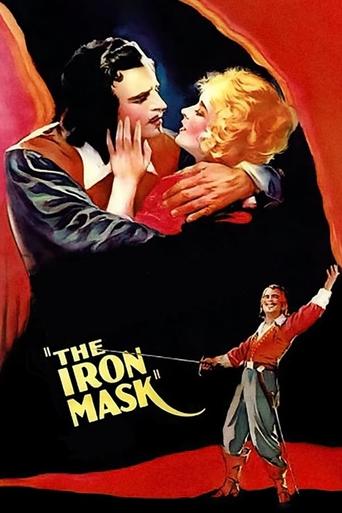
The Iron Mask
1929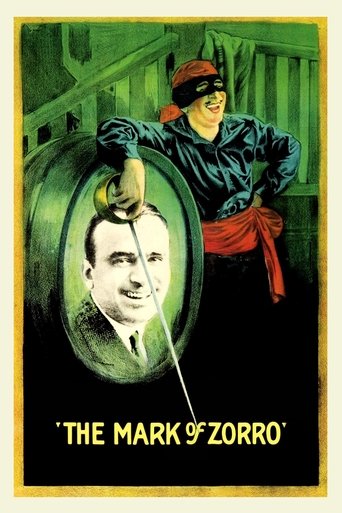
The Mark of Zorro
1920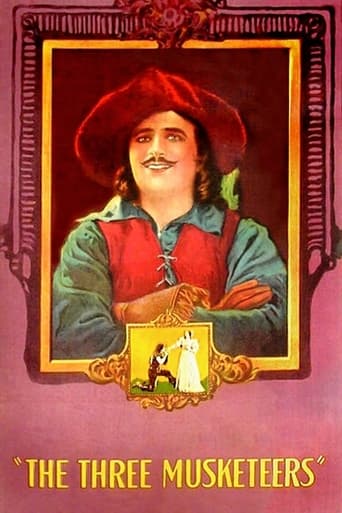
The Three Musketeers
1921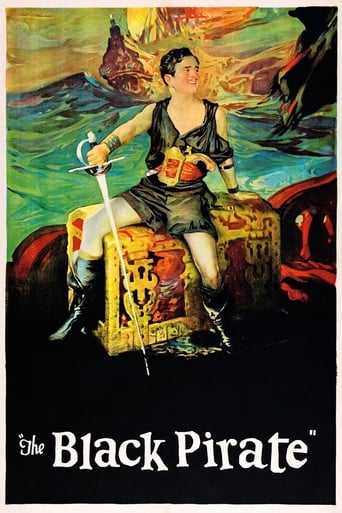
The Black Pirate
1926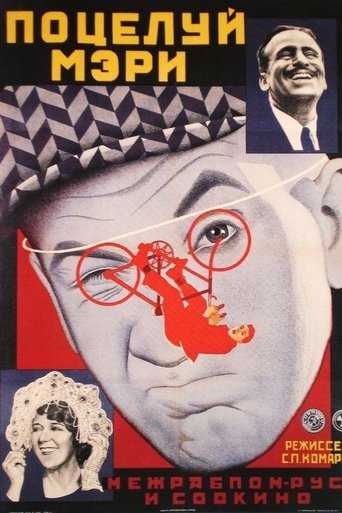
A Kiss from Mary Pickford
1927
The Gaucho
1927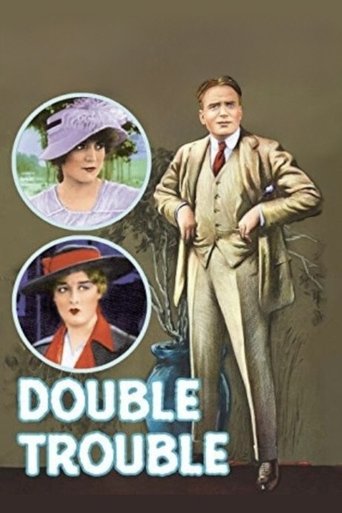
Double Trouble
1915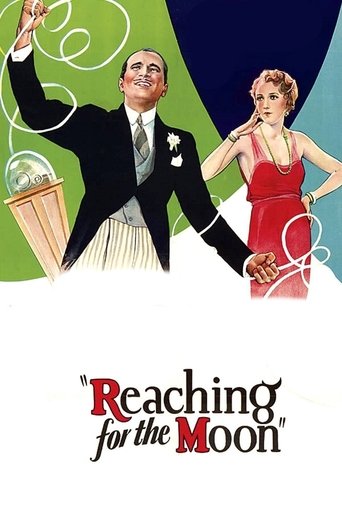
Reaching for the Moon
1930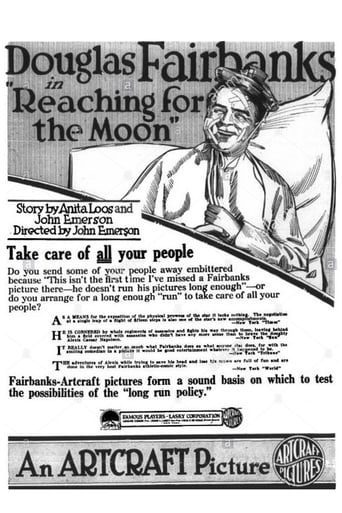
Reaching for the Moon
1917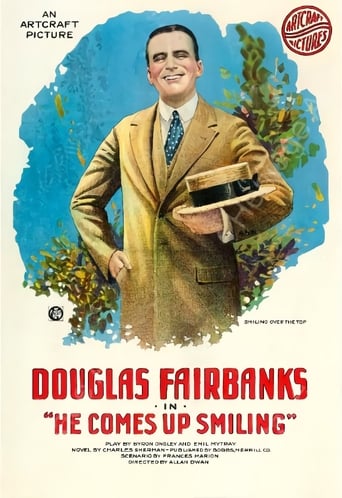
He Comes Up Smiling
1918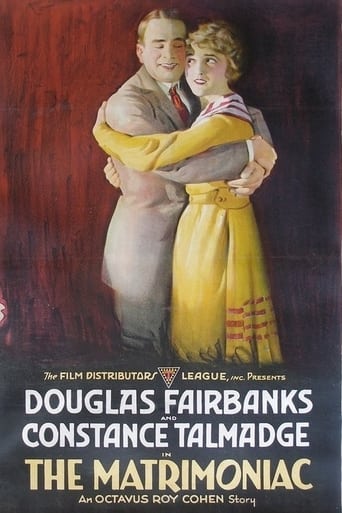
The Matrimaniac
1916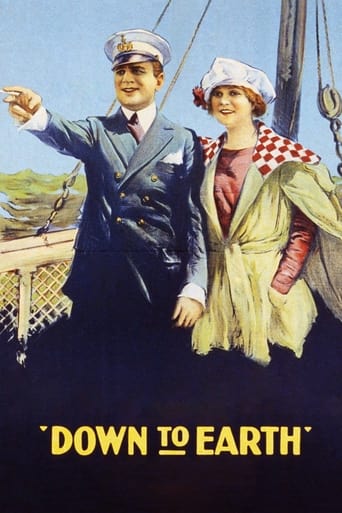
Down to Earth
1917About Douglas Fairbanks
Douglas Fairbanks, born Douglas Elton Thomas Ullman, rose from Broadway stage actor to become and beloved stars of the silent film era. Beginning his career in 1915, Fairbanks quickly transitioned from light comedies to the swashbuckling adventure roles that would define his legacy, including The Mark of Zorro, Robin Hood, and The Thief of Bagdad. His athletic prowess and willingness to perform his own daring stunts revolutionized action cinema, setting new standards for physicality in film performance. In 1919, he co-founded United Artists alongside Charlie Chaplin, Mary Pickford, and D.W. Griffith, giving artists unprecedented control over their work. Fairbanks married Mary Pickford in 1920, creating Hollywood's first power couple and becoming unofficial royalty of the film industry. As the transition to sound began in the late 1920s, Fairbanks made several successful talkies but retired from acting in 1934 to focus on producing. He served as the first president of the Academy of Motion Picture Arts and Sciences and was instrumental in establishing the Academy Awards. Fairbanks died of a heart attack in 1939, leaving behind a legacy as one of cinema's first true action heroes and a film industry leader.
The Craft
On Screen
Fairbanks developed an energetic, athletic acting style characterized by remarkable physical dexterity, acrobatic stunts, and boundless enthusiasm. His performances combined boyish charm with sophisticated wit, often playing characters who were both aristocratic and rebellious. He pioneered the use of elaborate action sequences in silent cinema, performing his own dangerous stunts including sword fights, rope swinging, and daring leaps. Fairbanks' acting emphasized movement and physical expression over subtle facial emotions, perfectly suited to the silent medium. His screen persona evolved from light comedy leads to heroic adventurers, always maintaining an air of optimistic American individualism and can-do spirit.
Milestones
- Film debut in 'The Lamb' (1915)
- Signed with Triangle Film Corporation (1916)
- Formed Douglas Fairbanks Pictures Corporation (1917)
- Co-founded United Artists (1919)
- Starred in 'The Mark of Zorro' (1920), establishing the swashbuckling genre
- Married Mary Pickford (1920)
- First president of AMPAS (1927)
- Hosted first Academy Awards ceremony (1929)
Best Known For
Iconic Roles
Must-See Films
Accolades
Won
- Academy Honorary Award (1939) - For his unique and outstanding contribution to the international development of the motion picture
Nominated
- Academy Award nomination for Best Actor for 'The Private Life of Don Juan' (1934)
Special Recognition
- Hollywood Walk of Fame star at 7021 Hollywood Blvd
- First president of the Academy of Motion Picture Arts and Sciences
- AFI's Greatest Male Stars of Classic Hollywood cinema - Ranked #24
- Inducted into the International Best Dressed List Hall of Fame
- United States Postal Service commemorative stamp (1995)
Working Relationships
Worked Often With
Studios
Why They Matter
Impact on Culture
Douglas Fairbanks fundamentally shaped American cinema's golden age, establishing the action-adventure genre and creating the archetype of the swashbuckling hero. His films defined the escapist fantasy of the 1920s, offering audiences heroic figures who embodied American ideals of individualism, courage, and optimism. Fairbanks' athletic performance style set new standards for physical cinema, influencing generations of action stars. As a co-founder of United Artists, he pioneered artist-controlled production, challenging the studio system and giving creative power to performers. His marriage to Mary Pickford created the concept of the Hollywood power couple, transforming actors into cultural icons beyond their films. Fairbanks also helped establish the Academy Awards, creating cinema's most prestigious recognition system that continues to shape the industry today.
Lasting Legacy
Douglas Fairbanks' legacy endures through his revolutionary contributions to action cinema and film industry structure. He established the swashbuckling hero archetype that continues to influence modern adventure films, from Indiana Jones to Marvel superheroes. His commitment to performing his own stunts raised the bar for physical authenticity in action sequences. As a business leader, Fairbanks demonstrated that artists could successfully control their own destinies, paving the way for independent filmmaking. The Academy of Motion Picture Arts and Sciences, which he helped found, remains cinema's most important professional organization. His films continue to be celebrated for their technical innovation, visual splendor, and pure entertainment value, with several preserved in the National Film Registry. Fairbanks' influence extends beyond cinema to popular culture, where his name remains synonymous with derring-do and cinematic adventure.
Who They Inspired
Fairbanks directly influenced countless performers and filmmakers, establishing physical comedy and action techniques still used today. His swashbuckling style directly inspired Errol Flynn, Tyrone Power, and later, Johnny Depp's Captain Jack Sparrow. The athletic approach to action performance influenced Buster Keaton, Harold Lloyd, and eventually Jackie Chan. Modern stunt performers and action choreographers still study his techniques for creating thrilling, believable sequences. His business model at United Artists inspired later independent filmmakers seeking creative control. The Academy Awards ceremony he helped establish continues to influence how artistic achievement is recognized in cinema. Fairbanks' blend of athleticism, charm, and showmanship created a template for movie stardom that persists in contemporary Hollywood.
Off Screen
Fairbanks was married twice, first to Sarah Beth Sully from 1907 to 1915, with whom he had one son, Douglas Fairbanks Jr. His second marriage to Mary Pickford in 1920 was one of Hollywood's most celebrated unions, creating the industry's first power couple. They lived together at the famous Pickfair estate, which became the social center of Hollywood. Fairbanks was known for his boundless energy, athletic pursuits including tennis and swimming, and his role as a cultural ambassador for American cinema abroad. The couple's marriage ended in divorce in 1936, after which Fairbanks married Lady Sylvia Ashley. He maintained close relationships with Hollywood's elite and was respected for his business acumen and artistic integrity.
Education
Attended Denver East High School, briefly studied at Harvard University, left to pursue acting career
Family
- Sarah Beth Sully (1907-1915)
- Mary Pickford (1920-1936)
- Lady Sylvia Ashley (1936-1939)
Did You Know?
- Performed all his own stunts, including dangerous sword fights and high falls
- Wrote many of his screenplays under the pseudonym Elton Thomas
- Was a founding member of The Motion Picture Academy and served as its first president
- His home with Mary Pickford, Pickfair, was the first private residence in Los Angeles with a swimming pool
- Made a successful transition to talkies despite being a silent film star
- Was an accomplished amateur boxer and fencer, skills he used in his films
- His son Douglas Fairbanks Jr. Became a major star in his own right
- Hosted the first Academy Awards ceremony in 1929
- Was posthumously awarded an honorary Oscar in 1940
- His film 'The Black Pirate' was one of the first major productions shot entirely in Technicolor
- Was a close friend of magician Harry Houdini and incorporated some escape techniques into his stunts
- His athletic build and 5'11" height made him ideal for heroic roles
In Their Own Words
The art of acting is not the art of being, but the art of seeming to be.
I was always a physical actor. I had to be. I was a gymnast in my youth.
The motion picture is a very powerful instrument. It can do a great deal of good.
I'm not a comedian. I'm an actor who plays comedy.
Happiness is a thing to be practiced, like the violin.
I have always believed that the movies are a business and an art. The business part must be successful for the art to survive.
Frequently Asked Questions
Who was Douglas Fairbanks?
American actor, screenwriter, on YTB.my. He was renowned for his swashbuckling adventure films and athletic stunt work, co-founded United Artists, and served as the first president of the Academy of Motion Picture Arts and Sciences.
What films is Douglas Fairbanks best known for?
Titles linked here include The Mark of Zorro (1920), The Three Musketeers (1921).
When was Douglas Fairbanks born and when did he die?
Born May 23, 1883; died December 12, 1939.
What awards did Douglas Fairbanks win?
Fairbanks received an Academy Honorary Award in 1939 for his unique contribution to the development of motion pictures. He was also nominated for Best Actor for 'The Private Life of Don Juan' (1934) and has been honored with a star on the Hollywood Walk of Fame.
What was Douglas Fairbanks' acting style?
Fairbanks developed an energetic, athletic acting style characterized by remarkable physical dexterity, acrobatic stunts, and boundless enthusiasm. He performed his own dangerous stunts and created the archetype of the swashbuckling hero, combining boyish charm with sophisticated wit in his performances.
How did Douglas Fairbanks influence the film industry?
Fairbanks co-founded United Artists, giving artists unprecedented control over their work, and helped establish the Academy of Motion Picture Arts and Sciences. He revolutionized action cinema with his athletic stunt work and established the swashbuckling genre that continues to influence adventure films today.
Was Douglas Fairbanks related to Douglas Fairbanks Jr.?
Yes, Douglas Fairbanks Jr. Was his son from his first marriage to Sarah Beth Sully. Douglas Fairbanks Jr. Went on to become a prominent actor in his own right, particularly known for his roles in adventure films during the 1930s and 1940s.