A Kiss from Mary Pickford
"Goga is a Russian man who has no luck with"
Keys: Space play/pause · ←/→ 10s · F fullscreen · M mute · </> speed
About this film
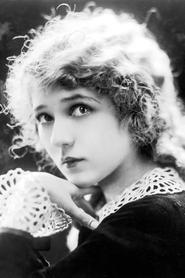
Goga is a Russian man who has no luck with women. He has a chance meeting with Mary Pickford, and after she kisses him on the cheek, he becomes as irresistible as her.
Cast & crew
More films like this

More Comedy films
View all →






More from Sergei Komarov
View all →

More about this film
About the production
Release dateOctober 24, 1927
BudgetExact budget figures are not documented, but it was a standard Mezhrabpomfilm production for the era, likely modest by Hollywood standards but significant for Soviet cinema
Box officeSpecific box office numbers from 1927 Soviet releases are not available, but the picture was commercially successful domestically due to its star power and topical subject matter
ProductionMezhrabpomfilm
Filmed inMoscow, Soviet Union, Bolshoi Theatre (for Mary Pickford's actual visit footage)
The picture cleverly incorporated actual documentary footage of Mary Pickford and Douglas Fairbanks's historic 1926 visit to the Soviet Union, making it one of the earliest examples of blending documentary and narrative fiction. Director Sergei Komarov seized the opportunity when Pickford spontaneously kissed Igor Ilyinsky during a public appearance, building an entire film around this real incident. The production team worked quickly to capitalize on the publicity surrounding the Hollywood couple's visit, completing the picture within months of the actual event.
Themes
Celebrity culture and its absurdityThe transformative power of fameAuthenticity versus superficial attractionCultural fascination with HollywoodSocial mobility through association with power
Themes & topics
celebritykisstransformationcomedysatireHollywoodMoscowoffice workerlovefameMary PickfordSoviet Union1920ssilent film
Historical background
A Kiss from Mary Pickford (1927) reached audiences through Mezhrabpomfilm in Soviet Union, when exhibitors still built programs from varied shorts and features rather than single-block bookings.
Why this film matters
Programmers and historians revisit A Kiss from Mary Pickford (1927) because its story—goga is a russian man who has no luck with women—illustrates popular narrative habits and production norms of the period.
Making of
the picture's creation was a remarkable example of opportunistic filmmaking. When Mary Pickford and Douglas Fairbanks visited the Soviet Union in 1926 as part of their world tour, they were greeted as major celebrities. During a public appearance at the Bolshoi Theatre, Pickford, in a moment of spontaneous goodwill, kissed Igor Ilyinsky, who was part of the welcoming committee. Soviet filmmakers immediately recognized the propaganda and entertainment value of this incident. Sergei Komarov and his team quickly developed a script around this real event, incorporating actual documentary footage of the Hollywood couple's visit. The production was rushed to capitalize on the publicity, with filming beginning shortly after the Pickfords departed the Soviet Union. the picture represents a unique collaboration between Soviet cinema and Hollywood celebrity, created during a brief period of cultural exchange before political tensions made such cooperation impossible.
What critics said
English-language trade reviews of A Kiss from Mary Pickford are limited for 1927. Where notices survive, they stress pacing and photographic clarity; later criticism values the title as archival evidence of studio style.
Did you know?
- Mary Pickford's appearance was not originally planned for a film - her kiss to Igor Ilyinsky was spontaneous during her 1926 Soviet visit, and filmmakers built the entire movie around this real incident
- This was one of the first Soviet films to feature a major Hollywood star in any capacity, albeit briefly
- the picture was released during the NEP (New Economic Policy) era when Soviet cinema had more creative freedom before Stalinist restrictions tightened
- Director Sergei Komarov was actually an actor-turned-director who had studied under influential Soviet filmmaker Lev Kuleshov
- The actual footage of Pickford and Fairbanks's visit was shot by Soviet documentary filmmaker Dziga Vertov's group
- Igor Ilyinsky became one of Soviet cinema's first comedy stars largely thanks to his performance in
- the picture was initially banned in some Western countries during the Cold War era due to its Soviet origins
- Mary Pickford reportedly never saw the completed film, though she was aware of its existence
- The movie's success led to several Soviet comedies attempting to capitalize on Western celebrity culture
- The original Russian title 'Potseluy Meri Pikford' became a popular cultural reference in 1920s Soviet society
Awards & recognition
- No major awards were documented for, as Soviet cinema awards systems were not yet established in 1927
Visual style
The cinematography, handled by Soviet cameramen, employed both traditional Hollywood-style techniques and innovative Soviet approaches. the picture features dynamic camera movement and close-ups that emphasize the comedic aspects of the story, particularly during scenes showing Goga's transformation. The blending of documentary footage with narrative scenes was technically innovative for its time, creating a seamless reality-fiction hybrid. The visual style mirrors Hollywood comedies of the era while maintaining distinct Soviet sensibilities in its satirical approach. the picture uses lighting and composition to contrast Goga's mundane life before the kiss with his glamorous existence afterward, visually reinforcing the theme of celebrity transformation.
Innovations
the picture's most significant technical achievement was its pioneering use of documentary footage within a narrative framework, predating later mockumentary techniques. The seamless integration of real footage of Pickford's visit with staged scenes demonstrated sophisticated editing capabilities for the time. The production team also developed innovative methods for recreating the atmosphere of Moscow's celebrity culture, using location shooting and authentic settings. the picture's pacing and comic timing were technically accomplished, showing the influence of both Soviet montage theory and Hollywood continuity editing. The makeup and costume design effectively conveyed Goga's transformation from ordinary clerk to celebrity sensation.
Music
As a silent film, it was accompanied by live musical performances in theaters. The original score was composed to reflect both American jazz influences and Russian musical traditions, creating a unique cultural blend. The music emphasized the comedic moments with playful motifs and used popular American songs of the era during scenes referencing Hollywood. In modern restorations, new scores have been commissioned that attempt to recreate the original's eclectic mix of styles. the picture's musical accompaniment was crucial to its success, as it helped bridge the cultural gap between Soviet audiences and the Hollywood subject matter.
Famous quotes
One kiss from America's sweetheart and every Soviet woman wants a piece of you!
Fame is a funny thing - it makes you desirable to everyone except the one you truly want
In Moscow, even Hollywood's shadow can make a man a king
I was nobody yesterday, today I am Mary Pickford's man!
They don't want me, they want the kiss that still lingers on my cheek
Memorable scenes
- The iconic moment when Mary Pickford actually kisses Igor Ilyinsky during her Moscow visit, captured on film and incorporated into the narrative
- The chaotic scene where Goga is chased through Moscow streets by dozens of adoring women after his transformation
- Goga's attempts to have a normal date with Dusya while being constantly interrupted by female admirers
- The opening sequence showing Goga's pathetic attempts to attract women before his life-changing encounter
- The final scene where Goga must choose between his celebrity status and genuine love
What audiences thought
the picture was enormously popular with Soviet audiences upon its release, drawing large crowds eager to see the famous Pickford kiss on screen. Moviegoers appreciated the picture's humor and relatable story of an ordinary man transformed by celebrity. the picture's success at the domestic box office demonstrated that Soviet audiences wanted entertainment alongside political messaging. Many viewers related to Goga's character and his sudden rise to social prominence through no merit of his own. the picture became a cultural reference point in Soviet society, with the phrase 'a kiss from Mary Pickford' entering popular parlance as a metaphor for unexpected good fortune or sudden popularity.
Film connections
Influenced by
- Hollywood romantic comedies of the 1920s
- Soviet satire traditions
- Charlie Chaplin's transformation comedies
- Buster Keaton's social commentary films
- German expressionist visual techniques
This film influenced
- Subsequent Soviet celebrity satires
- Early Hollywood films about fame
- Modern movies about celebrity culture
- Documentary-narrative hybrid films
Film restoration
the picture has survived and is preserved in the Russian State Film Archive (Gosfilmofond). Several restored versions exist, including those with modern musical accompaniment. While some scenes may have deteriorated over time, the core narrative including the Pickford footage remains intact. the picture has been released on DVD in Russia and has been screened at international film festivals and retrospectives of Soviet cinema.
Where to watch
- Available on specialized streaming platforms featuring classic cinema
- DVD releases from Russian film distributors
- Film archive screenings at museums and cinematheques
- Occasional broadcasts on classic movie channels
- Academic film collections and university libraries
- Online platforms specializing in silent films and Soviet cinema