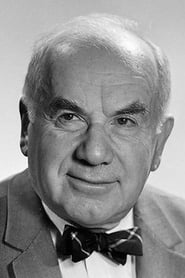
Igor Ilyinsky
Actor
Born: July 24, 1901 in Moscow, Russian Empire Died: January 13, 1981 Active: 1924-1953 Birth Name: Igor Vladimirovich Ilyinsky
Films
11 films

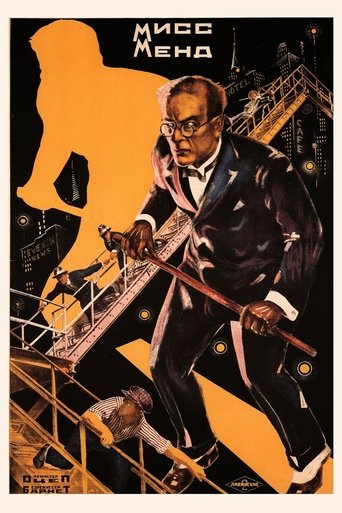
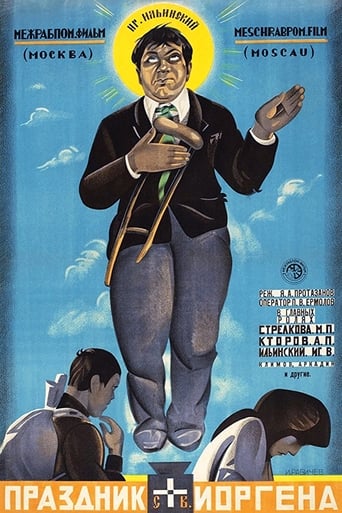

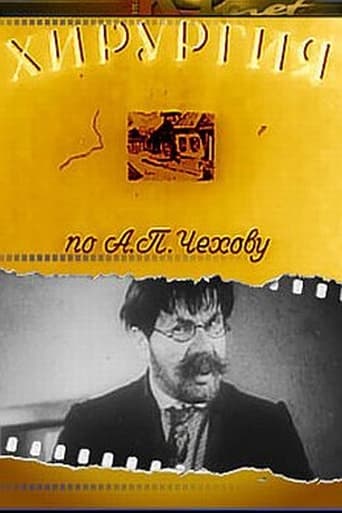
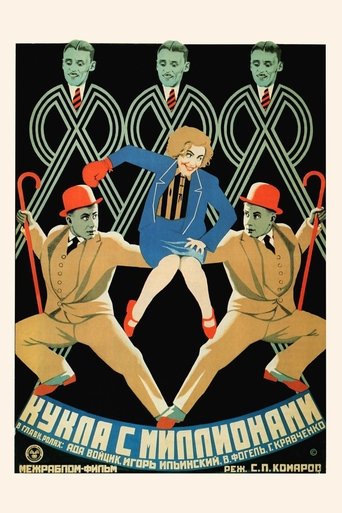
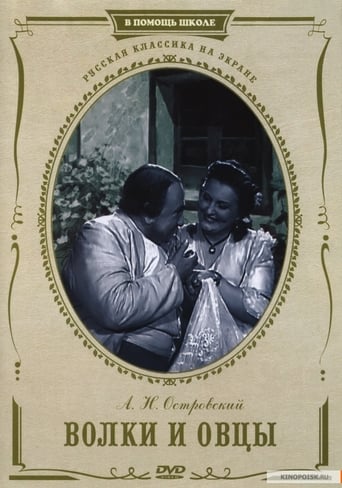
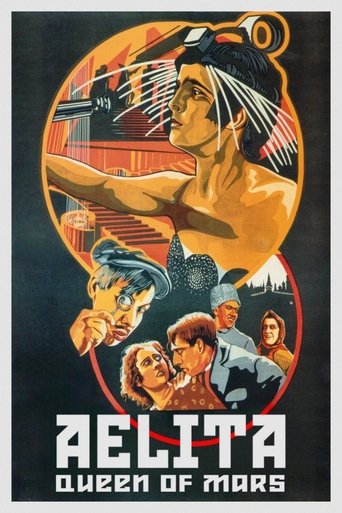
About Igor Ilyinsky
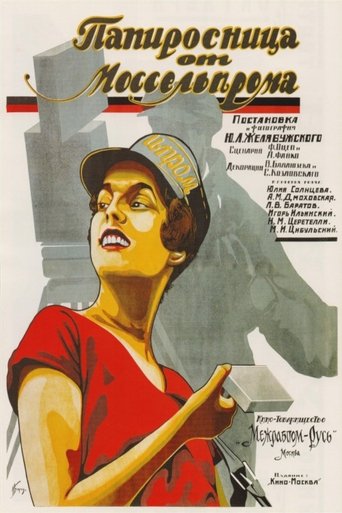
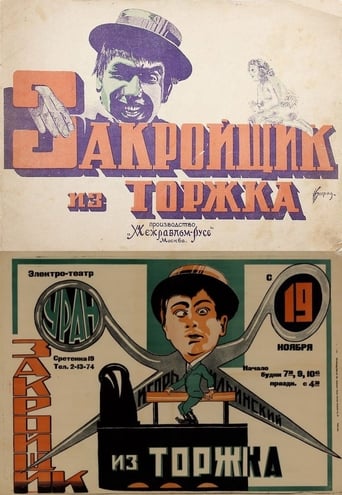
Igor Vladimirovich Ilyinsky was one of the great comic actors of Soviet cinema and stage, celebrated for his elastic physicality, satirical intelligence, and unmistakable screen presence. Born in Moscow, he came to prominence in the 1920s during the silent film era, when his performances in films such as "The Cigarette Girl of Mosselprom," "Aelita: Queen of Mars," and "The Tailor from Torzhok" made him recognizable faces in Soviet popular culture. He became especially associated with comic types drawn from everyday life: blustering officials, self-important bureaucrats, bewildered small-town men, and other figures whose vanity and absurdity he exposed through precise timing and expressive gesture. In the sound era, he remained a major star, successfully adapting his style to dialogue-driven comedy and continuing to work in both cinema and theatre. His performances in films like "The House on Trubnaya" and "Volga-Volga" confirmed his status excelled in Soviet screen comedy. Ilyinsky also had a stage career, becoming an important figure in Russian theatrical life and helping define the comic tradition on both stage and screen. He remained active for decades, and by the time of his death in 1981 he was the foundational comedic actors of Soviet cinema.
The Craft
On Screen
Ilyinsky's acting style was defined by razor-sharp physical comedy, exaggerated but highly controlled gestures, and a remarkable ability to build humor from posture, facial expression, and rhythm. Even in silent films, he conveyed character and social satire through small bodily distortions, nervous energy, and the contrast between a character's self-importance and actual helplessness. In sound films, he adapted these skills to dialogue, using timing, vocal inflection, and verbal irony without losing the expressive physicality that had made him famous. His comedy often depended on close observation of social behavior, allowing him to turn ordinary bureaucrats, functionaries, and petty opportunists into memorable satirical figures.
Milestones
- Became a major star of Soviet silent comedy in the 1920s with standout performances in "The Cigarette Girl of Mosselprom," "Aelita: Queen of Mars," and "The Tailor from Torzhok"
- Established a distinct screen persona built on physical comedy, ironic detail, and satirical portraits of petty authority figures and social climbers
- Successfully transitioned from silent film to sound cinema, remaining
- Earned lasting acclaim for major comic roles in films such as "The House on Trubnaya" and "Volga-Volga"
- Maintained a significant theatre career alongside film work, becoming an influential figure in Soviet stage acting
- Widely regarded as one of the defining comic talents of early Soviet cinema and a foundational performer in Russian screen comedy
Best Known For
Iconic Roles
Must-See Films
Accolades
Won
- People's Artist of the USSR
- Order of Lenin
- Stalin Prize
Nominated
- No reliably documented major Western-style award nominations are commonly cited for his career
Special Recognition
- People's Artist of the USSR
- Stalin Prize laureate
- Order of Lenin recipient
- Widely honored in Soviet theatrical and cinematic culture as a classic comic artist
Working Relationships
Worked Often With
Studios
Why They Matter
Impact on Culture
Igor Ilyinsky had a major impact on the development of Soviet screen comedy, helping define how humor could function within the ideological and social framework of early Soviet cinema. His performances blended popular entertainment with sharp satire, making him essential to the era's effort to create a distinctly Soviet comic language rather than simply imitate Western slapstick. Audiences responded to his ability to make bureaucratic absurdity, vanity, and social pretension both funny and recognizable, which gave his work broad cultural resonance. He became a beloved public figure whose face and mannerisms were instantly associated with the comic possibilities of everyday Soviet life. His success also helped legitimize comic acting as a major artistic mode in Soviet culture, not merely a diversion but a serious and socially meaningful form of performance.
Lasting Legacy
Ilyinsky's legacy rests on his status as one of the great architects of Soviet film comedy. He bridged silent and sound cinema with unusual ease, showing that physical expressiveness and verbal wit could complement rather than replace one another. His work remains important to film historians because it captures the transition from avant-garde and experimental 1920s Soviet cinema to the more polished, popular comic traditions of the Stalin era. Later Russian actors and comedians have continued to study his timing, gesture, and ability to create richly observed satirical types. In film history, he is remembered not only as a star performer but also as a cultural touchstone for the comic portrayal of the Soviet everyman and the absurdities of official life.
Who They Inspired
Ilyinsky influenced later generations of Russian and Soviet actors by demonstrating how to combine theatrical precision with cinematic subtlety. His carefully calibrated physicality became a model for character comedy, especially in roles where social criticism had to be conveyed through humor rather than overt commentary. He helped establish a performance tradition in which the actor's body, rhythm, and facial expression were central tools of satire. His work also influenced the broader language of Soviet comedy by showing that recurring social types could be made both broadly funny and psychologically vivid.
Off Screen
Igor Ilyinsky was born and raised in Moscow and built his entire artistic life within Russian and Soviet theatre and film. He was known as a disciplined performer with a long connection to stage acting, which remained central to his identity even as cinema made him famous. Public biographical summaries generally emphasize his professional life more than his private life, and detailed information about family relationships is less prominently documented in standard film histories. He is remembered primarily for his artistic achievements rather than for a highly publicized personal life.
Education
He trained in theatre and developed his craft in the Russian/Soviet dramatic tradition; specific formal schooling details are less consistently emphasized in standard film references than his stage and screen apprenticeship.
Family
- Information not reliably documented in the provided classic cinema context
Did You Know?
- He was one of the best-known comic actors of the Soviet silent era.
- His early film roles often played on social embarrassment, vanity, and petty bureaucracy.
- He successfully moved from silent film into sound cinema, a transition that many performers found difficult.
- He remained active in theatre as well as film throughout much of his career.
- His performances are often cited for their extraordinary physical expressiveness.
- He is especially associated with Soviet satirical comedies of the 1920s and 1930s.
- He was born in Moscow and remained closely tied to Russian theatrical culture throughout his life.
- He is remembered as a foundational figure in the history of Soviet screen comedy.
In Their Own Words
No reliably documented widely cited personal quotations are commonly attached to Igor Ilyinsky in standard film references.
Contextual quotations from his films vary by release and translation and are not consistently standardized in English-language sources.
Frequently Asked Questions
Who was Igor Ilyinsky?
Celebrated Soviet with credits in this catalog. He became one of the defining performers of Soviet screen comedy, admired for his physical precision, satire, and memorable characterizations.
What films is Igor Ilyinsky best known for?
Titles linked here include The Cigarette Girl of Mosselprom, Aelita: Queen of Mars.
When was Igor Ilyinsky born and when did he die?
Born July 24, 1901; died January 13, 1981.
What awards did Igor Ilyinsky win?
He received major Soviet honors including the title People's Artist of the USSR, the Order of Lenin, and the Stalin Prize. These reflected his importance as both a film and theatre performer.
What was Igor Ilyinsky's acting style?
His style combined highly controlled physical comedy, expressive facial work, and sharp satirical timing. He excelled at playing self-important, nervous, or socially awkward figures, often revealing character through posture, gesture, and rhythm.
What was Igor Ilyinsky's legacy in film history?
He is remembered as one of the foundational comic actors of Soviet cinema and a key bridge between silent film and sound film performance. His work helped define a distinctly Soviet comic tradition rooted in social observation and theatrical precision.