Boris Barnet
Actor & Director
Born: June 18, 1902 in Moscow, Russian Empire Died: January 8, 1965 Active: 1924-1963 Birth Name: Boris Vasilyevich Barnet
Films
10 films
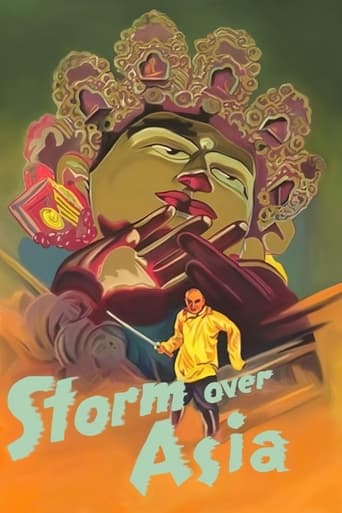
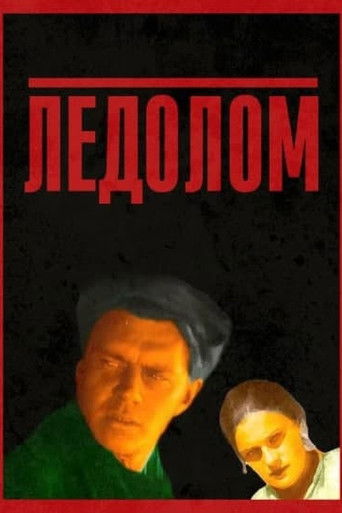
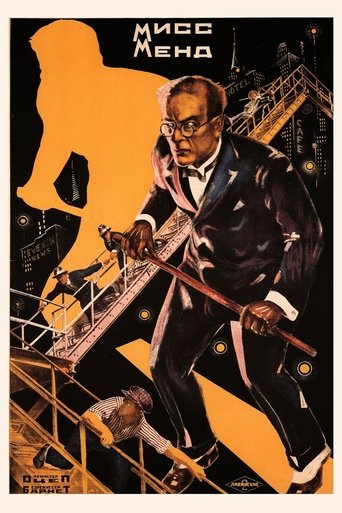

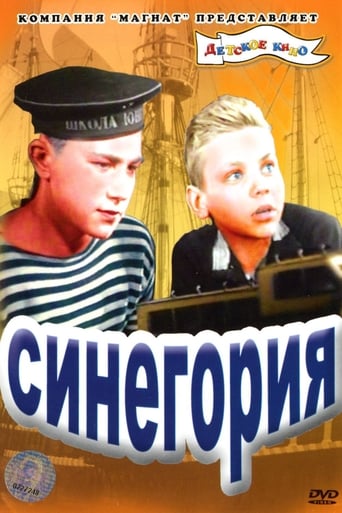
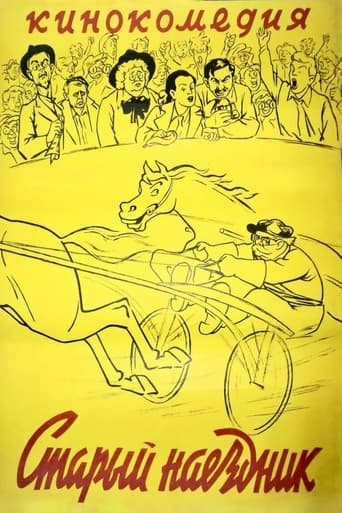
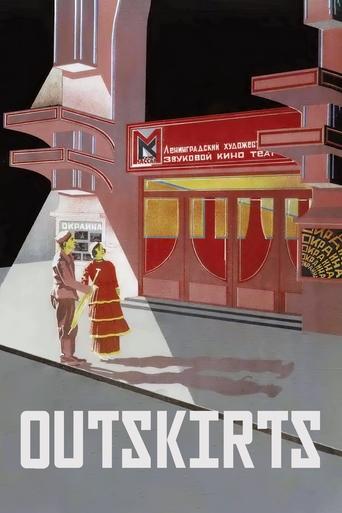
About Boris Barnet
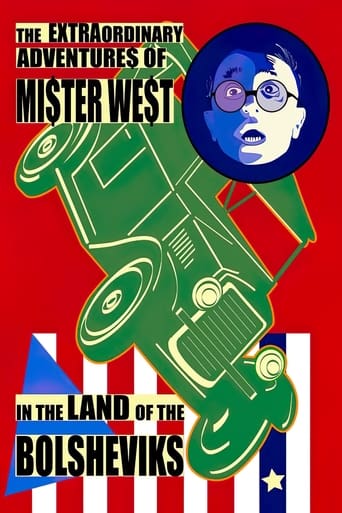
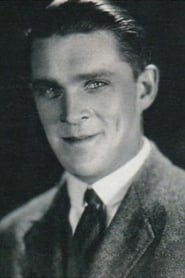
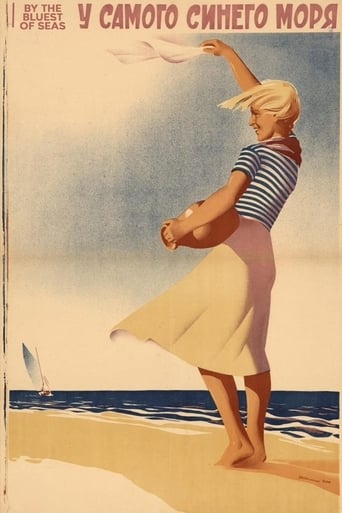
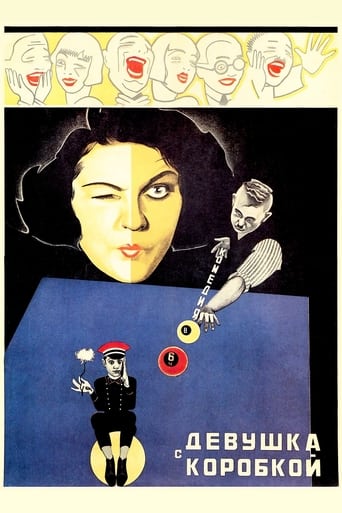
Boris Vasilyevich Barnet — Soviet film director and actor who emerged from the avant-garde movement of the 1920s to become distinctive voices in Soviet cinema. He began his career as an actor in Lev Kuleshov's influential workshop, appearing in early Soviet classics like 'The Extraordinary Adventures of Mr. West in the Land of the Bolsheviks' (1924) before transitioning to directing. Barnet's directorial debut with 'The Girl with the Hat Box' (1927) established his reputation for creating lyrical comedies that combined visual poetry with humanistic storytelling. Throughout the 1930s, he developed a unique cinematic language that blended humor, romance, and social commentary, evident in masterpieces like 'Outskirts' (1933) and 'By the Bluest of Seas' (1936). Despite facing political pressures during the Stalinist era, Barnet maintained his artistic integrity, though his later work became more constrained by ideological demands. His the transition from silent film to sound, and he adapted masterfully to both mediums. Barnet's influence extended beyond his own films, as he helped shape the aesthetic of Soviet popular cinema while maintaining connections to the avant-garde traditions of his early career.
The Craft
On Screen
As an actor, Barnet was known for his naturalistic and understated performances, which contrasted with the more theatrical style common in early Soviet cinema. He brought a subtle physical comedy and genuine human warmth to his roles, particularly evident in his work with Kuleshov where he embodied the workshop's experimental approach to performance. His acting style emphasized authenticity over melodrama, making his characters relatable despite the often propagandistic contexts of the films.
Behind the Camera
Barnet's directing style was characterized by its visual poetry, lyrical quality, and masterful blend of comedy with deeper emotional resonance. He developed a distinctive approach that combined dynamic camera movement, innovative editing techniques, and a keen eye for visual composition. His films often featured a humanistic perspective that found beauty in everyday life and ordinary people, while maintaining a subtle wit and charm. Barnet was particularly skilled at creating atmosphere through visual storytelling, using landscape and setting as integral elements of his narratives. His style evolved from the avant-garde influences of his early career to a more accessible but still artistically sophisticated approach in his later work.
Milestones
- Actor in Kuleshov workshop films (1924-1926)
- Directorial debut with 'The Girl with the Hat Box' (1927)
- International acclaim for 'Outskirts' at Venice Film Festival (1933)
- Creation of poetic comedy genre in Soviet cinema
- Mentorship under Lev Kuleshov
- Transition from silent to sound cinema
- Work during Stalinist era while maintaining artistic vision
Best Known For
Iconic Roles
Must-See Films
Accolades
Won
- Stalin Prize, Second Class (1948) for 'The Russian Question' (1947)
- Order of the Red Banner of Labour (1950)
- Honored Artist of the RSFSR (1935)
- People's Artist of the RSFSR (1965, posthumously)
Nominated
- Venice Film Festival Golden Lion nomination for 'Outskirts' (1933)
- Venice Film Festival Mussolini Cup nomination for 'By the Bluest of Seas' (1936)
Special Recognition
- Moscow International Film Festival retrospective dedicated to his work (1975)
- Multiple Soviet film retrospectives celebrating his contributions to cinema
- Recognition excelled in Soviet comedy and visual poetry
Working Relationships
Worked Often With
Studios
Why They Matter
Impact on Culture
Boris Barnet significantly shaped Soviet cinema by developing a unique blend of comedy and visual poetry that stood apart from the more overtly propagandistic works of his era. His films demonstrated that popular entertainment could coexist with artistic innovation, influencing generations of Soviet and international filmmakers. Barnet's ability to create humanistic stories within the constraints of the Soviet system showed how personal vision could survive and even thrive under restrictive conditions. His visual style, characterized by fluid camera movement and lyrical composition, influenced the aesthetic of both popular and art cinema in the Soviet Union. The international recognition his films received helped establish Soviet cinema's reputation for artistic excellence beyond propaganda.
Lasting Legacy
Boris Barnet's legacy endures through his influential films that continue to be studied and celebrated by film scholars and enthusiasts worldwide. His work represents a crucial bridge between the Soviet avant-garde of the 1920s and the more accessible cinema of the Stalinist era, demonstrating how artistic innovation could adapt to changing political circumstances. Barnet's films, particularly 'Outskirts' and 'By the Bluest of Seas,' are now recognized as masterpieces that transcended their time and place, influencing filmmakers from various countries and cinematic traditions. His approach to visual storytelling and his ability to find poetry in everyday life continue to inspire contemporary directors. The rediscovery and restoration of his films in recent decades have renewed appreciation for his contributions to world cinema, cementing his status.
Who They Inspired
Barnet influenced numerous filmmakers both within and beyond the Soviet Union through his innovative visual style and humanistic approach to storytelling. His work inspired later Soviet directors like Andrei Tarkovsky, who admired Barnet's ability to create poetic cinema. International filmmakers, including members of the French New Wave, studied his techniques for blending comedy with visual experimentation. Barnet's influence can be seen in the work of directors who seek to combine popular appeal with artistic integrity, demonstrating how entertainment can coexist with cinematic innovation. His films continue to be referenced and studied in film schools worldwide as examples of how to create meaningful cinema within restrictive systems.
Off Screen
Boris Barnet led a complex personal life marked by both artistic success and personal challenges. He was married multiple times, including to actress Natalya Glan, with whom he had a daughter. His personal relationships often intersected with his professional life, as he frequently cast his spouses in his films. Despite his professional achievements, Barnet struggled with depression in his later years, which ultimately led to his suicide in 1965. His death came at a time when his contributions to Soviet cinema were being reassessed and celebrated by a new generation of filmmakers and critics.
Education
Studied under Lev Kuleshov at the State Film School (VGIK) in Moscow, where he was part of the influential Kuleshov workshop that trained many of Soviet cinema's early pioneers
Family
- Natalya Glan (1927-1930s)
- Alla Kazanskaya (1940s)
- Valentina Barnet (until 1965)
Did You Know?
- Originally trained as a boxer before turning to cinema
- Was part of Lev Kuleshov's famous workshop that developed influential film theories
- His film 'Outskirts' was one of the first Soviet films to receive significant international acclaim
- Often cast his wives and family members in his films
- Spent time in Hollywood in the 1930s studying American film techniques
- His films were sometimes criticized by Soviet authorities for being too 'bourgeois' in their sensibilities
- Was known for his meticulous attention to visual composition, often spending days setting up shots
- Despite being a prominent director, he continued acting in small roles throughout his career
- His final years were marked by depression and creative frustration
- His films experienced a major revival in the 1970s during a reassessment of Soviet cinema history
In Their Own Words
Cinema should be like music - it should move you without always having to explain why
The most revolutionary thing you can do in art is to make people happy
I try to find poetry in the ordinary, beauty in the everyday
A film should be like a good meal - nourishing but also pleasurable
In comedy, as in life, the deepest truths are often found in laughter
Frequently Asked Questions
Who was Boris Barnet?
Soviet on YTB.my.
What films is Boris Barnet best known for?
Titles linked here include The Girl with the Hat Box (1927), Outskirts (1933).
When was Boris Barnet born and when did he die?
Born June 18, 1902; died January 8, 1965.
What awards did Boris Barnet win?
Barnet won the Stalin Prize, Second Class in 1948, the Order of the Red Banner of Labour in 1950, and was named Honored Artist of the RSFSR in 1935 and People's Artist of the RSFSR posthumously in 1965.
What was Boris Barnet's directing style?
Barnet's directing style was characterized by visual poetry, lyrical quality, and a masterful blend of comedy with emotional resonance, featuring dynamic camera movement, innovative editing, and a humanistic perspective that found beauty in everyday life.
How did Boris Barnet influence cinema?
Barnet influenced Soviet and international cinema by demonstrating how popular entertainment could coexist with artistic innovation, inspiring filmmakers with his visual style and humanistic approach to storytelling.
What was Boris Barnet's connection to Lev Kuleshov?
Barnet studied under Lev Kuleshov at the State Film School (VGIK) and was part of Kuleshov's influential workshop, which shaped his early understanding of film theory and practice.