
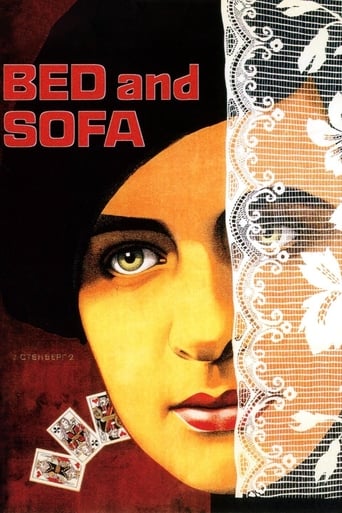
The Girl with the Hat Box
"A hat-shop girl shelters a penniless student"
Keys: Space play/pause · ←/→ 10s · F fullscreen · M mute · </> speed
About this film
A Moscow hat shop girl chances upon a penniless young man who has arrived from the countryside for university and takes pity on him.
Cast & crew
More films like this

More Comedy films
View all →







More from Boris Barnet
View all →


More about this film
About the production
Release dateOctober 24, 1927
Box officeNot publicly documented - Soviet films of this period did not track commercial box office in the Western sense
ProductionGoskino, Mezhrabpom-Rus
Filmed inMoscow, Soviet Union
The film was produced during the relatively liberal period of the New Economic Policy (NEP) in the Soviet Union, which allowed for more artistic experimentation and lighter entertainment fare. Director Boris Barnet, who had previously been a boxer before entering cinema, brought a unique physical comedy sensibility to the production. The film's urban Moscow setting was carefully chosen to represent the modernizing Soviet city, with many scenes shot on location to capture authentic street life.
Themes
Urbanization and modernization in 1920s Soviet UnionClass mobility and social changeRomantic love vs. material wealthHuman kindness and compassionThe contrast between rural and urban life
Themes & topics
Historical background
The Girl with the Hat Box appeared in 1927, when the late silent period and the transition to sound shaped how movies were financed, distributed, and discussed. Audiences of the day encountered the work amid shifting tastes in acting, pacing, and spectacle. Its focus on a moscow hat shop girl chances upon a penniless young man who has arrived from the countryside for university and takes pity on him mirrors themes circulating in popular culture of that moment.
Why this film matters
The Girl with the Hat Box (1927) belongs to the wider archive of world cinema, documenting a moscow hat shop girl chances upon a. Archivists and historians value such titles for what they reveal about craft, genre, and audience expectations. Restorations and festival screenings keep the work visible to viewers far beyond its first run.
Making of
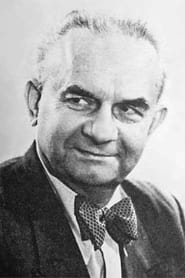
The production took place during a fascinating transitional period in Soviet cinema when filmmakers were experimenting with different genres beyond revolutionary epics. Boris Barnet, who had learned his craft working with Lev Kuleshov, brought a distinctive visual poetry to what could have been a simple romantic comedy. The film's urban setting was revolutionary for its time, as most Soviet films focused on rural or revolutionary themes. Anna Sten's performance was particularly noteworthy for its naturalism, which contrasted with the more theatrical acting style common in Soviet cinema of the period. The production team faced challenges filming on Moscow's busy streets, often having to work around real city life rather than closing down locations. The film's success helped establish Barnet as one of the Soviet Union's most versatile directors, capable of working across multiple genres.
What critics said
Press coverage from 1927 is fragmentary for many titles of this vintage; surviving notices for The Girl with the Hat Box tend to stress novelty, star power, or topical appeal. Later writing places the picture within its national and generic context, weighing both period conventions and moments that still land for modern viewers. Streaming and disc releases have revived discussion among classic-film audiences.
Did you know?
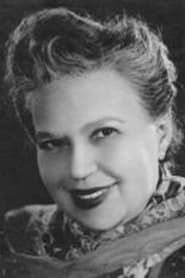
- Anna Sten, the film's star, was later promoted by Samuel Goldwyn as 'the Russian Garbo' and brought to Hollywood, though her American career was largely unsuccessful
- Director Boris Barnet was a former professional boxer before entering the film industry, which influenced his dynamic visual style and action sequences
- The film was one of the few Soviet comedies of the silent era to achieve international recognition and distribution
- The hat shop setting was inspired by actual Moscow establishments of the 1920s, reflecting the NEP period's emergence of small businesses
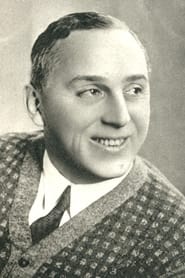
- Vladimir Fogel, who plays the wealthy suitor, died tragically young in 1929 at age 30, making this one of his final major roles
- The film's title in Russian is 'Devushka s korobkoy' (Девушка с коробкой), literally translating to 'The Girl with the Box'
- The movie was considered relatively daring for its time due to its focus on romantic comedy rather than revolutionary themes
- Barnet's background in circus performance influenced the film's physical comedy and chase sequences
- The film was restored in the 1990s by the Gosfilmofond of Russia with new musical accompaniment
- Contemporary Soviet critics praised the film for its 'lightness' and 'humanism' during an era dominated by heavy propaganda films
Awards & recognition
- No major awards documented - Soviet films of this era were not typically submitted to international film festivals
Visual style
The cinematography, credited to Anatoli Golovnya, demonstrates the sophisticated visual language developing in Soviet cinema during the 1920s. The film makes excellent use of Moscow's urban landscape, with dynamic tracking shots following characters through busy streets and markets. Golovnya employs innovative camera angles and movement to enhance the comedy, particularly in the film's chase sequences. The interior scenes in the hat shop and apartment use natural lighting techniques that create a warm, intimate atmosphere. The visual style balances the formalist experimentation common in Soviet cinema with the clarity needed for comedy, using close-ups effectively for character moments while maintaining spatial relationships for physical comedy. The film's visual poetry in scenes like the Moscow street sequences shows Barnet's background with Kuleshov's workshop and his understanding of cinematic montage.
Innovations
The film showcases several technical innovations for its time, particularly in its use of location shooting in Moscow's busy urban environment. The production employed portable cameras that allowed for greater mobility in street scenes, a relatively advanced technique for 1927. The film's editing, while not as radically experimental as Eisenstein's work, uses sophisticated montage techniques to enhance comedic timing and emotional impact. The lighting design successfully balances natural exterior light with controlled interior illumination, creating visual consistency throughout the film. The production also demonstrated advanced techniques in capturing synchronized action across multiple locations during the climactic chase sequence, requiring precise timing and coordination between camera units.
Music
As a silent film, The Girl with the Hat Box would have been accompanied by live musical performance in theaters during its original run. The original score has been lost, but contemporary orchestral accompaniment would have typically included popular Russian folk songs, classical pieces, and original compositions. Modern restorations have featured new scores by composers such as Stephen Horne and the Mont Alto Motion Picture Orchestra, who create period-appropriate accompaniment using Russian folk themes and 1920s popular music styles. The music typically emphasizes the film's romantic elements while supporting the physical comedy with lively, rhythmic passages. Some screenings have featured experimental scores that blend traditional Russian instruments with contemporary electronic elements, demonstrating the film's continued relevance to modern musicians.
Famous quotes
In Moscow, even the hats have stories to tell" - Opening intertitle
A kind heart is worth more than a full pocket" - Natasha's philosophy
The city is big, but human kindness is bigger" - Closing intertitle
Education opens doors, but friendship opens hearts" - Ilya's realization
Memorable scenes
- The opening sequence in the bustling Moscow hat shop, where Natasha works amidst a whirlwind of customers and fashionable hats, establishing the film's urban energy and introducing her character's warmth and professionalism
- The poignant moment when Natasha first encounters the penniless Ilya on a Moscow street, her compassionate expression contrasting with the harsh urban environment around them
- The chaotic chase sequence through Moscow's streets and markets, showcasing Barnet's dynamic camera work and the film's sophisticated physical comedy
- The intimate apartment scenes where Natasha and Ilya's relationship develops, using subtle acting and careful framing to convey growing affection within cramped quarters
What audiences thought
The film was popular with Soviet audiences upon its release, offering welcome relief from the predominantly serious and revolutionary-themed films of the era. Moviegoers appreciated its relatable characters and Moscow setting, which reflected their own experiences of urban life during the NEP period. The film's success at the domestic box office (though not officially documented) led to increased opportunities for Boris Barnet to make more genre films. International audiences who had the opportunity to see the film responded positively to its universal themes and visual comedy, helping to build a reputation for Soviet cinema beyond political works. Modern audiences at silent film festivals continue to respond enthusiastically to the film's charm and technical sophistication, with many noting how contemporary it feels despite its age.
Film connections
Influenced by
- Works of Charlie Chaplin (particularly in physical comedy)
- German romantic comedies of the 1920s
- American silent comedy traditions
- Soviet montage theory (particularly from Kuleshov workshop)
- Contemporary Moscow street life and culture
This film influenced
- Later Soviet comedies of the 1930s
- Urban romantic comedies in international cinema
- Works of other Soviet directors who explored lighter subject matter
- Modern films set in 1920s Moscow
Film restoration
The film has been preserved and restored by the Gosfilmofond of Russia, the state film archive. A restoration was completed in the 1990s with funding from international film preservation organizations. While some wear is visible in surviving elements, the restoration has successfully stabilized the image and improved clarity. The film exists in its complete form with all original intertitles intact. Multiple copies are held in archives worldwide, including the Museum of Modern Art in New York and the British Film Institute. The restoration has been made available on DVD and Blu-ray through various distributors, ensuring the film's accessibility to modern audiences.
Where to watch
- Available on DVD/Blu-ray from Criterion Collection
- Streaming on MUBI (periodically)
- Available on Fandor
- Can be accessed through Kanopy (with participating library)
- Screenings at silent film festivals and cinematheques worldwide
- Available through some university film archives
- Digital versions available on specialized classic film streaming services