
Anna Sten
Actor
Born: December 3, 1908 in Kiev, Russian Empire (now Kyiv, Ukraine) Died: November 12, 1993 Active: 1926-1962 Birth Name: Anna Petrovna Fesak
Films
2 films
About Anna Sten
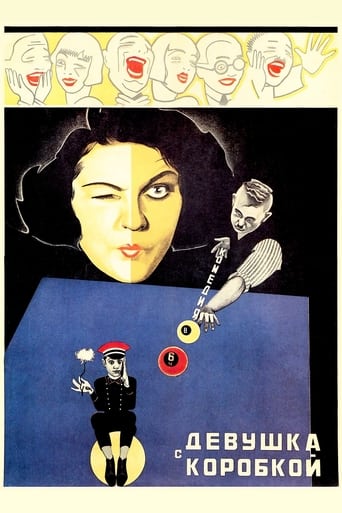
Anna Sten, born Anna Petrovna Fesak, was a Russian actress who rose to prominence in Soviet cinema during the late 1920s before being recruited by Hollywood mogul Samuel Goldwyn in the early 1930s. Her breakthrough came with her captivating performance in 'The Girl with the Hat Box' (1927), which showcased her natural talent and screen presence. Goldwyn invested heavily in promoting her as 'the new Garbo,' spending over $300,000 on her English lessons, publicity, and grooming for stardom. Despite starring in several American films including 'Nana' (1934) and 'The Wedding Night' (1935), her heavy Russian accent and the lack of suitable roles prevented her from achieving the superstardom Goldwyn envisioned. After her Hollywood career faltered, she returned to Europe where she continued acting in films throughout the 1930s and 1940s. She eventually settled in the United States with her husband, director Eugene Frenke, and made occasional television appearances in later years.
The Craft
On Screen
Anna Sten was known for her naturalistic and emotionally expressive acting style, which was particularly effective in silent films where she could convey complex emotions through subtle facial expressions and body language. Her Soviet training emphasized realism and psychological depth, contrasting with the more theatrical style common in early Hollywood. In her early Russian films, she demonstrated a remarkable ability to portray both innocence and sensuality, often playing characters caught between traditional values and modern desires. Her transition to talkies was challenging due to her accent, but she maintained her emotive power even when dialogue delivery was difficult.
Milestones
- Breakthrough performance in 'The Girl with the Hat Box' (1927)
- Discovery by Samuel Goldwyn and contract with MGM (1932)
- Promotion as 'the new Garbo' in Hollywood publicity campaigns
- Leading role in 'Nana' (1934), Goldwyn's expensive attempt to launch her stardom
- Co-starring with Gary Cooper in 'The Wedding Night' (1935)
- Return to European cinema in the late 1930s
- Transition to television in the 1950s and 1960s
Best Known For
Iconic Roles
Must-See Films
Accolades
Special Recognition
- Samuel Goldwyn's personal investment of over $300,000 in her career development
- Featured in Hollywood's 'Russian Invasion' of the 1930s alongside other émigré actors
Working Relationships
Worked Often With
Studios
Why They Matter
Impact on Culture
Anna Sten represents one of early Hollywood's most ambitious but ultimately unsuccessful attempts to create an international movie star. Her story illustrates the challenges faced by foreign actors in the American studio system during the transition from silent films to talkies. Goldwyn's massive investment in her career, despite its commercial failure, demonstrated Hollywood's growing interest in international talent and the global nature of cinema. Her experience also highlighted the difficulties of cultural assimilation and the importance of language skills in sound cinema. Sten's career trajectory from Soviet success to Hollywood disappointment and eventual European revival mirrors the complex migration patterns of artists during the turbulent political period of the 1930s and 1940s.
Lasting Legacy
Anna Sten's legacy is primarily as a cautionary tale in Hollywood history about the dangers of over-hyping new talent and the challenges of importing foreign stars. Despite her lack of lasting fame, her early Soviet films, particularly 'The Girl with the Hat Box,' remain important examples of late silent cinema and are studied by film scholars today. Her story is frequently cited in books about Hollywood's golden age as an example of Samuel Goldwyn's most expensive mistakes. In recent years, there has been renewed academic interest in her work as part of broader examinations of émigré actors and transnational cinema. Her surviving films offer valuable insights into both Soviet cinema of the 1920s and Hollywood's international ambitions of the 1930s.
Who They Inspired
While Anna Sten did not directly influence subsequent generations of actors due to her limited lasting fame, her career path influenced Hollywood's approach to developing foreign talent. The failure of her expensive launch led studios to be more cautious about promoting international stars without proven language skills. Her experience paved the way for later successful émigré actors by demonstrating both the potential and pitfalls of cross-cultural stardom. Contemporary film scholars studying transnational cinema often cite her case as an important example of early global film industry dynamics. Her Soviet films influenced Russian cinema and helped establish the naturalistic acting style that would become more prevalent in the 1930s.
Off Screen
Anna Sten married film director Eugene Frenke in 1932, and their marriage lasted until Frenke's death in 1984. Frenke often directed her in their European collaborations and supported her throughout the ups and downs of her career. The couple had no children but maintained a strong personal and professional partnership. After leaving Hollywood, they divided their time between Europe and the United States, eventually settling in New York City. Sten was known for her intelligence and fluency in multiple languages, including Russian, Ukrainian, German, French, and English. She maintained friendships with other European émigrés in Hollywood and was respected for her resilience in the face of career setbacks.
Education
Studied at the Moscow Film School and received training in Russian theatrical tradition
Family
- Eugene Frenke (1932-1984)
Did You Know?
- Samuel Goldwyn spent approximately $300,000 (equivalent to over $5 million today) promoting Anna Sten as his next big star
- She was nicknamed 'Goldwyn's Folly' by Hollywood columnists after her American films failed to find success
- Her real surname 'Fesak' means 'mushroom' in Ukrainian
- She spoke five languages fluently: Russian, Ukrainian, German, French, and English
- Gary Cooper reportedly refused to work with her again after 'The Wedding Night' due to communication difficulties
- Her early Soviet films were banned in the United States during the Cold War
- She was discovered while working as a secretary in a Soviet film studio
- Goldwyn made her undergo extensive dental work and plastic surgery to improve her appearance
- Her American debut was delayed for over a year while she worked on reducing her accent
- She appeared in over 30 films across three different countries and languages
In Their Own Words
In Hollywood, they wanted to make me a star, but they forgot to ask me if I wanted to be one.
Silence was my best language. When sound came, I had to learn a new way to speak with my soul.
Goldwyn bought me like a precious jewel, but jewels need the right setting to shine.
From Moscow to Hollywood was not just a journey of miles, but of worlds and words.
In Russia, I was an actress. In America, I became an accent.
Frequently Asked Questions
Who was Anna Sten?
Russian actress who began her career in Soviet silent films during the 1920s before being recruited by Hollywood producer Samuel Goldwyn in the 1930s. She was promoted as 'the new Garbo' but despite significant investment, her American career was largely unsuccessful. She later returned to European cinema before settling in the United States.
What films is Anna Sten best known for?
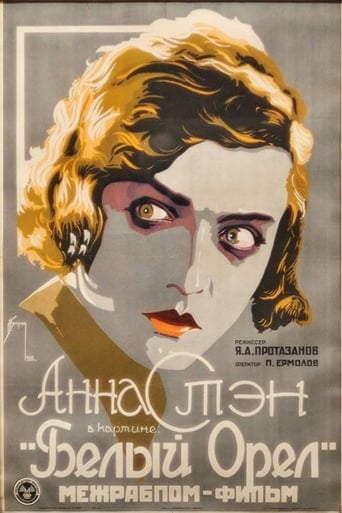
Titles linked here include The Girl with the Hat Box (1927), The White Eagle (1928).
When was Anna Sten born and when did she die?
Born December 3, 1908; died November 12, 1993.
What awards did Anna Sten win?
Anna Sten did not receive any major formal awards or nominations during her career. Her recognition came primarily from the significant investment Samuel Goldwyn made in her potential, though this did not translate into commercial success or critical acclaim in Hollywood.
What was Anna Sten's acting style?
Anna Sten was known for her naturalistic and emotionally expressive acting style, particularly effective in silent films where she conveyed complex emotions through subtle facial expressions and body language. Her Soviet training emphasized realism and psychological depth, contrasting with more theatrical styles common in early Hollywood.
Why did Anna Sten's Hollywood career fail?
Anna Sten's Hollywood career failed primarily due to her heavy Russian accent, which made dialogue delivery difficult in early talkies, and the lack of suitable roles that showcased her talents. Despite Samuel Goldwyn's massive investment in her development, audiences did not embrace her, and her films were commercial disappointments.
Did Anna Sten return to acting after Hollywood?
Yes, after her Hollywood career waned, Anna Sten returned to Europe where she continued acting in films throughout the late 1930s and 1940s. She later made occasional television appearances in the 1950s and 1960s, maintaining a connection to the entertainment industry throughout her life.