Films
3 films
About Volodymyr Mikhajlov
Soviet actor active during the transitional period from silent films to early sound cinema in the late 1920s and early 1930s. His brief but notable film career coincided with what many consider the golden age of Soviet avant-garde cinema. Mikhajlov appeared in three significant films that have since become classics of world cinema, working with prominent directors of the era including Boris Barnet and Alexander Dovzhenko. His most memorable role was in Dovzhenko's masterpiece 'Earth' (1930), a film that would later be recognized as one of the greatest achievements in cinematic history. While his filmography was limited, Mikhajlov's performances captured the essence of the Soviet experimental cinema movement, characterized by its revolutionary visual language and social commentary. His career appears to have been concentrated primarily between 1927 and 1930, after which he seemingly disappeared from the film industry, a fate shared by many actors from this period due to the dramatic political and cultural changes that would soon sweep through the Soviet Union.
The Craft
On Screen
Mikhajlov's acting style reflected the Soviet school of performance during the silent era, characterized by expressive physicality and emotional intensity typical of actors transitioning from theatrical traditions to the new medium of cinema. His performances emphasized naturalistic movement within the framework of Soviet montage theory, where actors served as visual elements in the director's overall composition.
Milestones
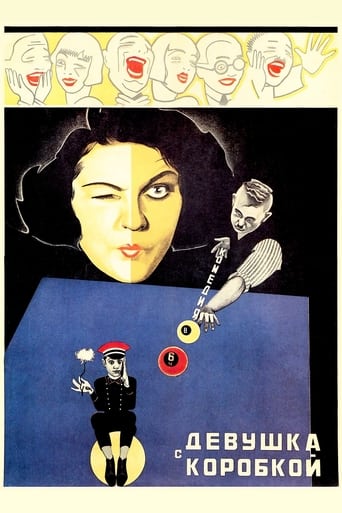
- Appeared in Boris Barnet's 'The Girl with the Hat Box' (1927)
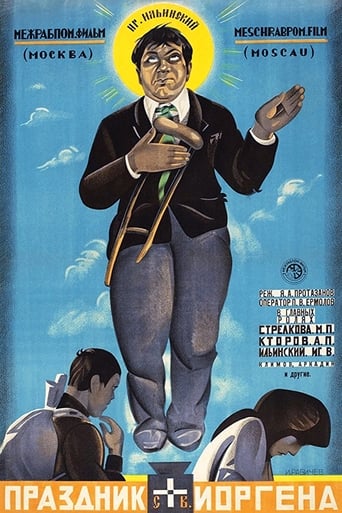
- Acted in 'St. Jorgen's Day' (1930)
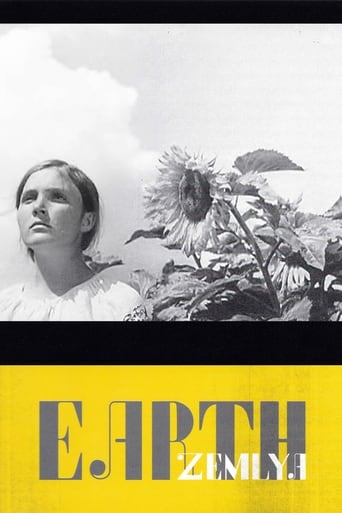
- Featured role in Alexander Dovzhenko's masterpiece 'Earth' (1930)
Best Known For
Iconic Roles
Must-See Films
Working Relationships
Worked Often With
Studios
Why They Matter
Impact on Culture
Volodymyr Mikhajlov's contribution to cinema, while modest in scope, is significant due to his participation in three landmark films of Soviet cinema. His work in 'Earth' (1930) places him within the context of. The preservation of his performances in these films provides modern audiences with authentic examples of Soviet acting techniques during a crucial transitional period in film history.
Lasting Legacy
Mikhajlov's legacy is intrinsically tied to the enduring reputation of the films in which he appeared. 'Earth' in particular continues to be studied in film schools worldwide and regularly appears on lists of the greatest films ever made. While Mikhajlov himself may not be widely remembered by name, his performances contribute to the artistic achievement of these cinematic masterpieces that represent the pinnacle of Soviet avant-garde filmmaking.
Who They Inspired
As a supporting actor during a revolutionary period in cinema history, Mikhajlov's work exemplifies the collaborative nature of Soviet filmmaking, where individual actors served the collective artistic vision. His performances, preserved in these classic films, continue to influence understanding of silent era acting techniques and the transition to sound cinema in the Soviet context.
Off Screen
Very little is documented about Volodymyr Mikhajlov's personal life, which was common for supporting actors of the Soviet silent era. Like many actors of his generation, biographical details were often not preserved, especially for those who did not achieve star status or continue working through the Stalin era.
Did You Know?
- Appeared in three films that have survived as classics of Soviet cinema despite the brevity of his career
- Worked with two of the most important Soviet directors of the 1920s: Boris Barnet and Alexander Dovzhenko
- His most famous film 'Earth' (1930) was initially controversial in the Soviet Union for its artistic style
- The Girl with the Hat Box (1927) was
- All three of his known films were produced during the brief period when Soviet cinema was among the most innovative in the world
- His career ended around the time when Stalinist policies began to restrict artistic freedom in Soviet cinema
- Like many actors of his generation, biographical information is scarce due to limited record-keeping and historical upheavals
Frequently Asked Questions
Who was Volodymyr Mikhajlov?
Screen credits include three notable films of the Soviet silent and early sound era. His brief career coincided with what many consider the golden age of Soviet avant-garde cinema.
What films is Volodymyr Mikhajlov best known for?
Titles linked here include The Girl with the Hat Box (1927), St. Jorgen's Day (1930).
When was Volodymyr Mikhajlov born and when did he die?
Unfortunately, specific birth and death dates for Volodymyr Mikhajlov are not documented in available historical records, which is common for supporting actors from the Soviet silent era.
What awards did Volodymyr Mikhajlov win?
There are no recorded awards or nominations for Volodymyr Mikhajlov, which was typical for character actors during this period of Soviet cinema, especially given his brief career span.
What was Volodymyr Mikhajlov's acting style?
Mikhajlov's acting style reflected the Soviet school of silent film performance, characterized by expressive physicality and emotional intensity that served the directors' artistic visions within the framework of Soviet montage theory.
Why is Volodymyr Mikhajlov significant in film history?
While not a major star, Mikhajlov is significant because he participated in three landmark films of Soviet cinema, particularly 'Earth' (1930), which continues to be recognized as.
What happened to Volodymyr Mikhajlov after 1930?
Records of Mikhajlov's career end after 1930, and his subsequent fate is unknown. This was common for many Soviet actors of the period, as the political climate and changes in the film industry led many to leave the profession.