Ivan Koval-Samborskyi
Actor
Born: March 2, 1897 in Ternopil, Austro-Hungarian Empire Died: April 24, 1974 Active: 1925-1938
Films
7 films
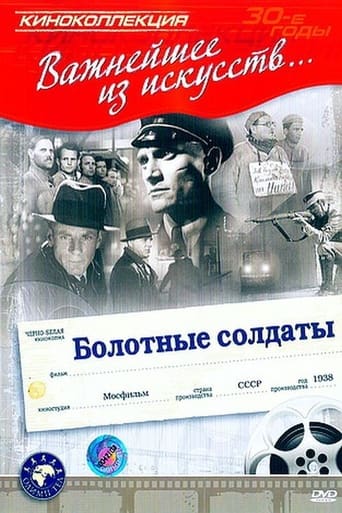
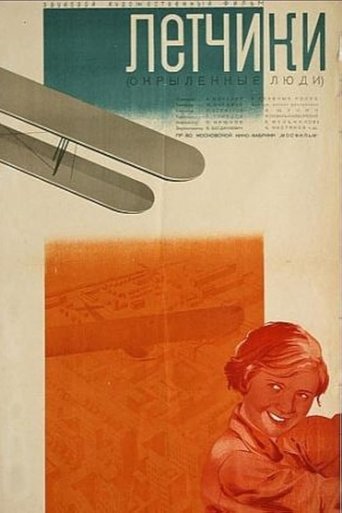
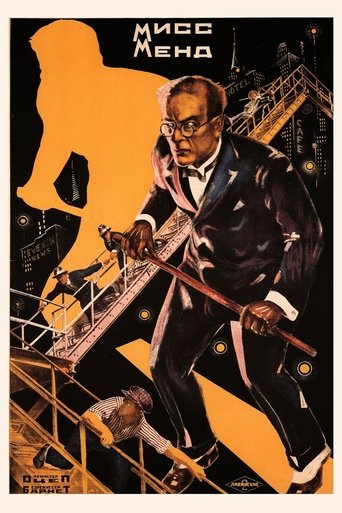
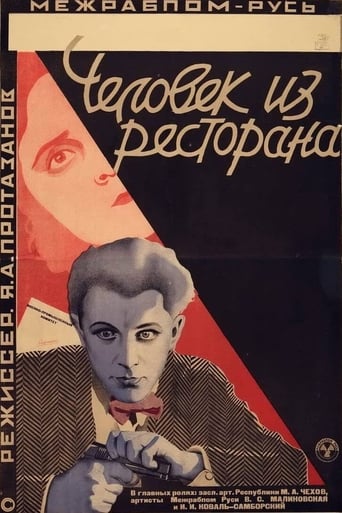
About Ivan Koval-Samborskyi
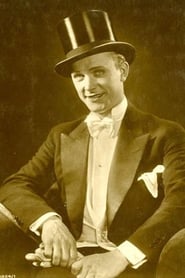
Ukrainian-born screen and stage actor who became one of the notable male performers of the silent and early sound eras in Soviet and European cinema. He is associated above all with the energetic, expressive style required by silent film and with the distinctive ensemble cinema of the 1920s in the Soviet Union. Koval-Samborskyi appeared in a number of important films during a remarkably fertile period, including Chess Fever (1925), Mother (1926), Miss Mend (1926), The Girl with the Hat Box (1927), and The Man from the Restaurant (1927), which place him squarely within the major currents of early Soviet screen history. His career extended into the early sound period, with activity documented through 1938, suggesting that he successfully adapted to changing cinematic styles and production methods. Although he is not as internationally famous as some of his contemporaries, he for historians of Eastern European and Soviet cinema because he worked in films that are now canonical in the history of the medium. Surviving reference sources generally identify him as an actor rather than as a director or writer, and his reputation rests on his screen presence and participation in landmark productions. Detailed personal records are comparatively scarce in widely accessible English-language sources, so some biographical specifics remain less certain than his filmography.
The Craft
On Screen
His work is associated with the heightened expressiveness of silent-era acting, where physical gesture, facial clarity, and rhythmic timing were essential. In the ensemble-driven Soviet cinema of the 1920s, performers like Koval-Samborskyi typically balanced comic immediacy with social realism, adapting their performances to directors' emphasis on visual storytelling and political or satirical themes. His filmography suggests versatility across comedy, drama, and adventure, indicating a flexible screen persona rather than a narrowly typed character actor. Specific surviving critical descriptions in English-language sources are limited, but his participation in varied landmark productions implies reliability, adaptability, and strong compatibility with the era's visually driven cinematic language.
Milestones
- Appeared in Chess Fever (1925), a celebrated early Soviet comedy tied to the 1925 Moscow chess craze
- Performed in Mother (1926), one of the canonical adaptations of Maxim Gorky's work and a major Soviet silent film
- Worked in Miss Mend (1926), a popular adventure serial-style production from the silent era
- Appeared in The Girl with the Hat Box (1927), a notable Soviet silent comedy-drama
- Appeared in The Man from the Restaurant (1927), one of the important domestic dramas of the period
- Maintained screen activity into the early sound era, with credits extending through 1938
- Established himself as part of the generation of actors who helped define Soviet silent-era performance style
Best Known For
Iconic Roles
Must-See Films
Working Relationships
Worked Often With
Studios
Why They Matter
Impact on Culture
Ivan Koval-Samborskyi belongs to the generation of performers who helped shape the language of Soviet silent cinema during one of its most innovative decades. By appearing in films that have endured as historical touchstones, he contributed to the international understanding of early Soviet film as a field of bold editing, social commentary, and sharply defined character acting. His presence in works spanning comedy, melodrama, and adventure also reflects the breadth of Soviet production before sound fully transformed performance styles. Even when not singled out as a marquee star in English-language histories, actors like Koval-Samborskyi were essential to the texture and credibility of the films that defined the era.
Lasting Legacy
His lasting legacy lies primarily in his association with landmark films that are still studied for their place in silent and early Soviet cinema. While he may not have left behind a large celebrity brand or a widely documented personal mythology, his screen work is part of the foundation on which later histories of Eastern European film performance are built. For researchers and cinephiles, he represents the many accomplished actors whose careers were embedded in the formative years of national cinemas and whose contributions were indispensable even when their names were not the most internationally familiar. His filmography helps document the breadth of talent active in Soviet cinema between the mid-1920s and the late 1930s.
Who They Inspired
His influence is best understood indirectly, through the films he helped bring to life and the performance standards of the silent era. As part of the acting corps in major Soviet productions, he contributed to a model of screen acting that emphasized clarity, economy, and visual intelligence. Later actors and historians studying Soviet silent cinema encounter performers like Koval-Samborskyi as part of the ensemble tradition that supported more celebrated directors and stars. His work helped sustain the professional benchmark for character performance in early Soviet film culture.
Off Screen
Widely accessible biographical detail about his private life is limited, and English-language reference material does not consistently provide robust information about marriages, children, or family background. He was born in Ternopil in what was then the Austro-Hungarian Empire, which places him among the many talented artists from the Ukrainian lands who later contributed to Soviet cultural life. Beyond that, reliable public records in common film-reference sources are sparse, so his personal life remains less documented than his screen work. No well-attested public controversies are strongly associated with him in standard film histories. His career appears to have been centered on professional acting rather than celebrity publicity.
Education
Formal educational background is not well documented in widely available English-language film references; specific institutions or training remain unverified.
Did You Know?
- He is Ivan Koval-Samborskyi appeared in several of the most enduring Soviet silent films of the 1920s.
- His career bridged the silent era and the early sound period, with documented activity into 1938.
- He was born in Ternopil, a city with a complex imperial and national history that later became part of modern Ukraine.
- He is sometimes encountered in film histories as a supporting or ensemble performer rather than as a headline star.
- His filmography suggests a range that included comedy, melodrama, and adventure rather than one fixed type.
- He appeared in Mother,.
- Because he worked in silent cinema, much of his artistry was communicated through gesture and visual timing rather than dialogue.
- Publicly available biographical information about his private life is relatively limited compared with his professional credits.
Frequently Asked Questions
Who was Ivan Koval-Samborskyi?
Ukrainian-born with credits in this catalog. He appeared in several important films of the 1920s, including Chess Fever, Mother, and Miss Mend, making him a notable figure in early film history.
What films is Ivan Koval-Samborskyi best known for?
Titles linked here include Chess Fever (1925), Mother (1926).
When was Ivan Koval-Samborskyi born and when did he die?
Born March 2, 1897; died April 24, 1974.
What awards did Ivan Koval-Samborskyi win?
No major awards or nominations are prominently documented in widely available reference sources. His significance rests more on the historical importance of the films he appeared in than on a formal awards record.
What was Ivan Koval-Samborskyi's acting style?
His acting style was shaped by silent-era performance traditions, with emphasis on physical expressiveness, clear gesture, and visual timing. His film roles suggest flexibility across comedy, drama, and adventure, which was essential for ensemble work in early Soviet cinema.
What is Ivan Koval-Samborskyi's legacy in film history?
His legacy lies in his participation in landmark films of Soviet silent cinema and in representing the many skilled actors who helped define the era's screen language. He remains of interest to historians because his work is part of the foundational period of Eastern European film culture.