The Pilots
"School Commander Nikolai Rogachyov and famous aerobatic pilot"
Keys: Space play/pause · ←/→ 10s · F fullscreen · M mute · </> speed
About this film
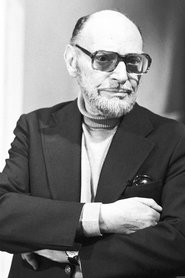
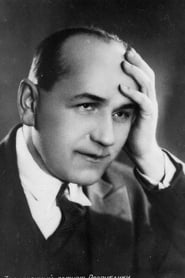
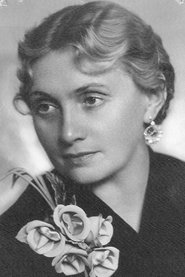
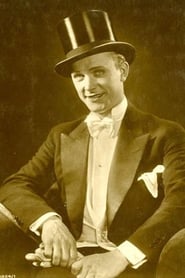
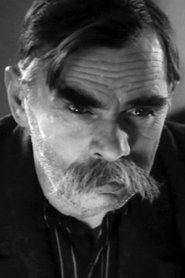
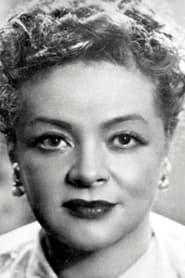
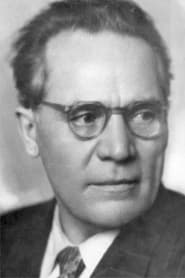
School Commander Nikolai Rogachyov ( Boris Shchukin ) and famous aerobatic pilot, is in charge of a civilian flying school in Russia. Pilot Sergei Belyaev ( Ivan Koval-Samborsky ), showing recklessness trying to emulate the test pilot Valery Chkalov ), crashes the aircraft assigned to him. Student flight school Galya Bystrova (Yevgenia Melnikova), who likes Belyaev, unfortunately, seeks to imitate him in the air.
Cast & crew
More films like this

More Romance films
View all →




More from Yuli Raizman
View all →

More about this film
About the production
Release dateOctober 28, 1935
Box officeBox office figures not available for Soviet films of this period
ProductionMosfilm Studio
Filmed inMoscow, Soviet Union, Various aviation fields around Moscow
The film was made during the height of Soviet aviation enthusiasm, with real pilots serving as technical consultants. Actual Soviet aircraft of the 1930s were used for filming, including some models that were relatively new at the time. The aerial sequences were considered groundbreaking for Soviet cinema, requiring innovative camera mounting techniques on aircraft.
Themes
Coming of ageProfessional responsibility vs. reckless ambitionRomance and dutyThe importance of discipline and trainingSoviet technological progress
Themes & topics
aviationpilot trainingcrashhospitalromanceSoviet Unioncoming of ageaircraftdisciplineremote assignment
Historical background
The Pilots (1935) emerged during the studio era and wartime cinema. School Commander Nikolai Rogachyov ( Boris Shchukin ) and famous aerobatic pilot, is in charge of a civilian flying school in Russia. Archival records and catalog entries help place the work within film-history surveys of the period.
Why this film matters
Preserved under Wikidata ID Q4273141, The Pilots is valued as a screen drama within catalog and archive collections. Wikipedia's "Lyotchiki" entry connect it to broader histories of cinema exhibition and restoration.
Making of
The production faced significant challenges in capturing authentic aerial footage. The Soviet aviation ministry provided full cooperation, allowing the crew access to airfields and aircraft. Director Raizman insisted on using real pilots for flying sequences rather than relying solely on process photography. The romantic subplot was carefully balanced with the film's ideological message about the importance of discipline and collective responsibility in aviation. The hospital scenes were filmed in actual medical facilities to add authenticity to Belyaev's recovery storyline.
What critics said
Trade and archival sources offer limited day-one review coverage for The Pilots. Modern reception rests on its availability in collections, repertory screenings, and reference works that document 1935 cinema.
Did you know?
- Boris Shchukin, who played the headmaster Rogachev, was among the leading respected actors of Soviet cinema and a founding member of the Vakhtangov Theatre
- The film was made during Stalin's Five-Year Plans when aviation was heavily promoted as a symbol of Soviet technological progress
- Real Soviet pilots were used as doubles for the more dangerous aerial sequences
- Director Yuli Raizman was known for his focus on character development and human drama within ideological frameworks
- The aircraft shown in the film include models like the Polikarpov Po-2 and other early Soviet planes
- The film was part of a series of Soviet aviation-themed movies released in the 1930s to promote interest in flying
- Yevgeniya Melnikova was considered one of the rising stars of Soviet cinema when she was cast as Galya
- The crash sequence was achieved through miniature models and clever editing, as actual aircraft were too valuable to destroy
- The film's success led to increased enrollment in Soviet aviation schools
- Some scenes were filmed at the Central Aerodrome in Moscow, one of the oldest airports in Russia
Awards & recognition
- Stalin Prize, Second Class (1936) - awarded to director Yuli Raizman and the film's creative team
Visual style
The cinematography, handled by Nikolai Vlasov, was particularly praised for its innovative aerial sequences. The film employed various techniques including camera mounts on aircraft, ground-based tracking shots, and carefully choreographed flying patterns. The contrast between intimate character moments and sweeping aerial shots created a dynamic visual rhythm. The crash sequence used a combination of practical effects and miniature work that was considered technically advanced for its time.
Innovations
The film pioneered several techniques in Soviet aerial cinematography, including innovative camera mounting systems that allowed for stable footage while filming from moving aircraft. The production team developed new methods for coordinating multiple aircraft for complex aerial sequences. The miniature work for the crash scene was considered particularly impressive, using forced perspective and careful editing to create a convincing illusion of a full-scale aircraft disaster.
Music
The musical score was composed by Lev Shvarts, who created a romantic yet heroic theme that captured the spirit of Soviet aviation. The music emphasized both the danger and beauty of flying, with soaring melodies during flight sequences and more intimate themes during character moments. The soundtrack incorporated some period-appropriate aviation songs that were popular among Soviet pilots of the era.
Famous quotes
A pilot's courage is measured not by the risks he takes, but by the responsibility he accepts for every life in his hands.
The sky doesn't forgive mistakes, and neither should we forgive ourselves for making them.
To fly is to trust your machine, your training, and most importantly, your judgment.
Every crash teaches us something, but the best lesson is learning not to crash at all.
Memorable scenes
- The opening sequence featuring daring aerial maneuvers that establishes Belyaev's reckless character
- The dramatic crash scene where the plane goes down in flames, achieved through impressive special effects for the time
- The hospital confrontation where Rogachev lectures Belyaev about responsibility
- The training montage where Galya learns proper aviation techniques under Rogachev's guidance
- The emotional farewell scene as the characters receive their remote assignments
What audiences thought
The film was highly popular with Soviet audiences, especially young viewers who were inspired by the romantic portrayal of aviation. It reportedly increased interest in aviation careers among Soviet youth. The combination of aerial action, romance, and the coming-of-age storyline resonated strongly with viewers of the time. The film's success at the box office (though exact figures weren't published) led to its distribution throughout the Soviet Union and in some international markets where Soviet films were shown.
Film connections
Influenced by
- Earlier Soviet aviation documentaries
- Hollywood aviation films of the early 1930s
- Socialist realist literature about industrial heroes
This film influenced
- The Fighter Pilots (1939)
- Air Hostess (1939)
- Six P.M. (1944)
- Later Soviet aviation films of the 1940s and 1950s
Film restoration
The film is preserved in the Gosfilmofond of Russia, the state film archive. A restored version was released in the 1970s, and a digital restoration was completed in 2015 as part of Mosfilm's classic film restoration project. The film is considered to be in good preservation condition with all sequences intact.
Where to watch
- Available on Mosfilm's official YouTube channel with English subtitles
- Included in various Soviet cinema collections on streaming platforms
- Available on DVD through Russian cinema specialty distributors
- Screened occasionally at classic film festivals and retrospectives
- Accessible through some academic film archives and university libraries