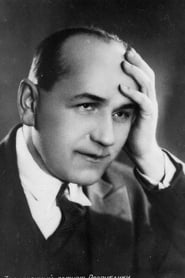
Boris Shchukin
Actor
Born: April 18, 1894 in Moscow, Russian Empire Died: October 7, 1939 Active: 1920-1939 Birth Name: Boris Vasilyevich Shchukin
Films
4 films
About Boris Shchukin
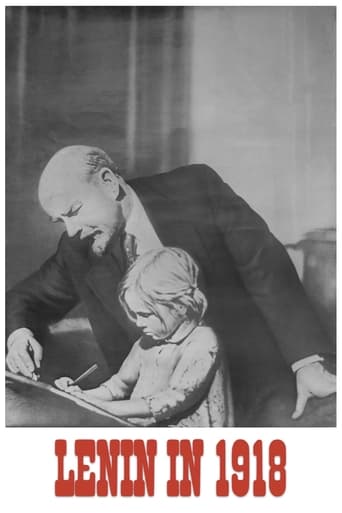
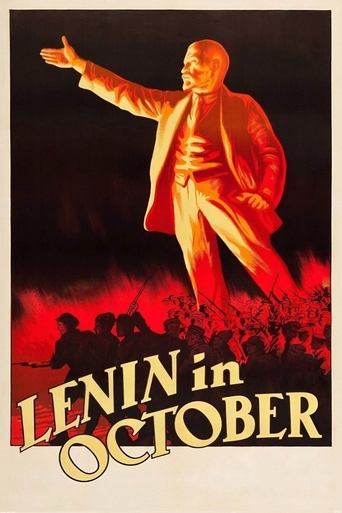
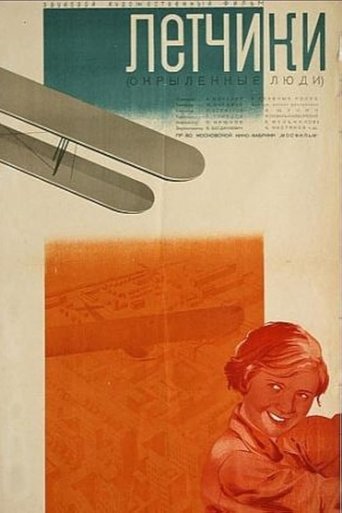
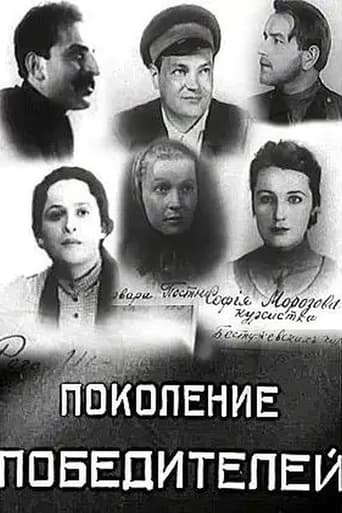
Boris Vasilyevich Shchukin — Soviet actor who became for his portrayals of Vladimir Lenin in Soviet cinema. Born in Moscow in 1894, he began his theatrical career after serving in World War I, studying at the Vakhtangov Theatre School where he would later become a leading actor and teacher. Shchukin's breakthrough came with his stage performances, but he achieved immortality through his film portrayals of Lenin, particularly in 'Lenin in October' (1937) and 'Lenin in 1918' (1939), which established him as the definitive interpreter of the revolutionary leader. His performances were characterized by a remarkable physical resemblance to Lenin and an ability to capture both the intellectual depth and charismatic presence of the historical figure. Beyond his Lenin roles, Shchukin appeared in other significant Soviet films like 'The Pilots' (1935) and 'Generation of Victors' (1936), showcasing his versatility as an actor. His career was cut short by his untimely death in 1939, but his legacy lived on through the Shchukin Theatre Institute, which was named in his honor and became one of the Soviet Union's most prestigious acting schools.
The Craft
On Screen
Shchukin excelled in the Stanislavski system, known for his psychological depth and meticulous character preparation. His acting style emphasized internal truth and emotional authenticity, combined with precise physical transformation. For his Lenin portrayals, he undertook extensive research, studying photographs, recordings, and writings of Lenin to capture not just his appearance but his mannerisms, speech patterns, and intellectual presence. His performances were marked by a naturalistic approach that avoided caricature, instead presenting a fully realized human being with complexity and nuance.
Milestones
- Graduated from Vakhtangov Theatre School (1924)
- Became leading actor at Vakhtangov Theatre
- First portrayed Lenin on stage (1937)
- Starred in 'Lenin in October' (1937)
- Received title of People's Artist of the USSR (1936)
- Completed 'Lenin in 1918' (1939) shortly before death
- Shchukin Theatre Institute named in his honor (posthumously)
Best Known For
Iconic Roles
Must-See Films
Accolades
Won
- People's Artist of the USSR (1936)
- Order of the Red Banner of Labour (1938)
- Stalin Prize (posthumously, 1941)
Special Recognition
- Boris Shchukin Theatre Institute named in his honor
- Theatre museum established at Vakhtangov Theatre in his memory
- Soviet postage stamp issued with his portrait (1964)
- Monument erected in Moscow (1974)
Working Relationships
Worked Often With
Studios
Why They Matter
Impact on Culture
Boris Shchukin had a profound impact on Soviet cinema and culture through his definitive portrayals of Vladimir Lenin, which essentially created the visual template for how Lenin would be remembered and depicted in Soviet art. His performances in 'Lenin in October' and 'Lenin in 1918' were not merely acting achievements but cultural events that helped shape the Soviet understanding of their revolutionary history. These films were mandatory viewing for generations of Soviet citizens and were used as educational tools in schools and party organizations. Shchukin's humanizing yet reverential portrayal of Lenin balanced the leader's intellectual authority with his personal warmth, making him accessible to mass audiences while maintaining his revolutionary stature.
Lasting Legacy
Shchukin's legacy extends far beyond his film performances through the Boris Shchukin Theatre Institute, which became. The institute has trained generations of Russia's finest actors, including legendary performers such as Yevgeny Leonov, Oleg Yankovsky, and Alla Pugacheva. His methodological approach to character development, particularly his techniques for historical portrayal, became part of the standard curriculum for Soviet actors. The institute's continued existence ensures that his name and artistic principles remain influential in Russian theatrical education, making him one of the few Soviet actors whose impact has transcended his own era.
Who They Inspired
Shchukin influenced countless Soviet and Russian actors through both his performances and his teaching. His approach to portraying historical figures, particularly Lenin, set a standard that subsequent actors had to follow in Soviet cinema. Many actors who later portrayed Lenin studied his performances as models, and his techniques for character transformation became part of the standard acting pedagogy in Soviet theater schools. His emphasis on psychological realism combined with thorough historical research influenced how Soviet actors approached biographical roles. The institute bearing his name continues to produce actors who carry forward his artistic principles of truth, authenticity, and social responsibility in performance.
Off Screen
Shchukin was known as a dedicated artist who devoted his life to theater and cinema. He married fellow actress Nadezhda Litvinovskaya, with whom he had a son. Despite his fame, he maintained a modest lifestyle and was respected for his professionalism and dedication to his craft. He was known as a generous mentor to younger actors and was deeply involved in the theatrical community until his final days.
Education
Vakhtangov Theatre School, graduated 1924; Studied under Yevgeny Vakhtangov and later under Yuri Zavadsky
Family
- Nadezhda Litvinovskaya
Did You Know?
- Shchukin was the first actor to portray Lenin in a sound film
- He spent months researching Lenin's life, studying photographs and listening to voice recordings
- His portrayal of Lenin was so convincing that many Soviet citizens who had never seen Lenin in person believed his performance was historically accurate
- He died of a heart attack just weeks after completing 'Lenin in 1918'
- The Shchukin Theatre Institute was founded the year after his death and named in his honor
- Despite his iconic status as Lenin, he was actually a versatile character actor in theater
- He served in the Imperial Russian Army during World War I before pursuing acting
- His final performance as Lenin was completed while he was already gravely ill
- The Soviet government considered his Lenin portrayals so important that they were preserved as cultural heritage
- His son Vasily also became an actor, though he never achieved his father's level of fame
In Their Own Words
'To play Lenin, one must not just imitate him, one must understand the revolutionary spirit that moved him'
'The actor's greatest responsibility is to truth in character, whether in comedy or tragedy'
'Theater is not entertainment, it is a mirror held up to society'
'Every role requires complete surrender of self to become the character'
'Art must serve the people, but it must never compromise its truth'
Frequently Asked Questions
Who was Boris Shchukin?
Renowned Soviet with credits in this catalog. He was a leading actor at the Vakhtangov Theatre and became an iconic figure in Soviet cinema through his performances in 'Lenin in October' and 'Lenin in 1918'.
What films is Boris Shchukin best known for?
Titles linked here include Lenin in October (1937), Lenin in 1918 (1939).
When was Boris Shchukin born and when did he die?
Born April 18, 1894; died October 7, 1939.
What awards did Boris Shchukin win?
Shchukin received the prestigious title of People's Artist of the USSR in 1936, the Order of the Red Banner of Labour in 1938, and was posthumously awarded the Stalin Prize in 1941. The Shchukin Theatre Institute was also named in his honor.
What was Boris Shchukin's acting style?
Shchukin excelled in the Stanislavski system, known for psychological depth and meticulous character preparation. His style emphasized internal truth and emotional authenticity, combined with precise physical transformation, particularly evident in his historically accurate yet humanizing portrayals of Lenin.