
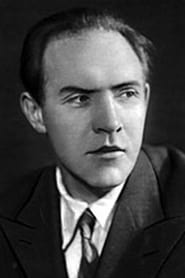
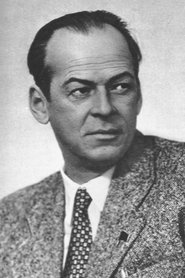
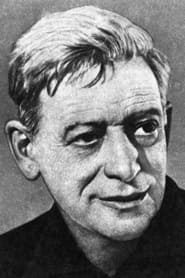
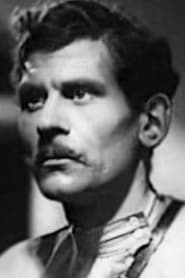
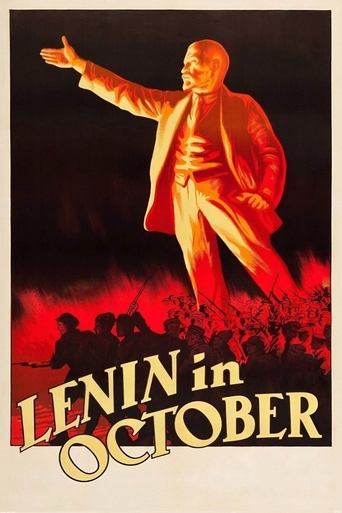
Lenin in 1918
"Lenin in revolutionary year"
Keys: Space play/pause · ←/→ 10s · F fullscreen · M mute · </> speed
About this film
Soviet biopic follows Lenin consolidating Bolshevik power in 1918 Petrograd and countryside. Historical-revolutionary film about Lenin’s activities in the first years after the Great October Revolution in Russia.
Cast & crew
More films like this
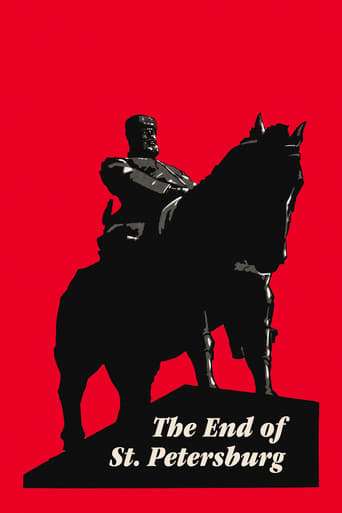
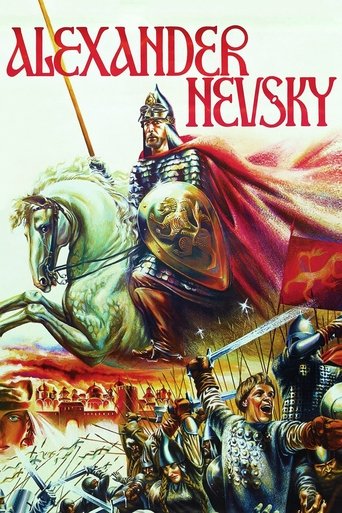
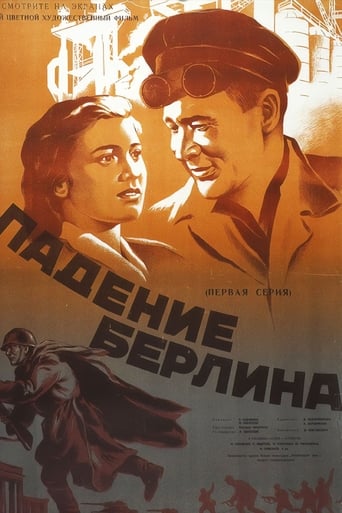
More Drama films
View all →







More from Mikhail Romm
View all →
More about this film
About the production
Release dateApril 16, 1939
BudgetNot publicly documented in Soviet records
Box officeExtensive domestic viewership across USSR with reported attendance of millions during initial release
ProductionMosfilm Studio
Filmed inMoscow, USSR, Leningrad, USSR, Studio sets at Mosfilm
Filmed during the height of Stalin's purges, with extreme attention to historical accuracy as approved by Soviet authorities. The production faced challenges in recreating 1918 Moscow and required extensive historical research. Director Mikhail Romm consulted with Lenin's contemporaries and studied numerous documents to ensure authenticity. The film was shot on black and white 35mm film with careful attention to period details in costumes, props, and locations.
Themes
Revolutionary leadership and sacrificeClass struggle and proletarian victoryThe legitimacy of Soviet powerHistorical determinism and Marxist inevitabilityPersonal sacrifice for collective good
Themes & topics
Russian RevolutionLeninBolshevikCommunismAssassination attemptPolitical propagandaHistorical dramaRevolutionary struggleSoviet UnionClass warfarePolitical leadershipCivil warNew Economic Policy
Historical background
1939 placed Lenin in 1918 within Soviet Union cinema as Mosfilm Studio navigated wartime markets, immigration audiences, and the shift from intertitles to sound.
Why this film matters
Archivists revisit Lenin in 1918 (1939) for Mikhail Romm style, genre norms at Mosfilm Studio, and the exhibition context of 115 minutes programming.
Making of
The production of Lenin in 1918 occurred during among the leading politically sensitive periods in Soviet history. Director Mikhail Romm faced immense pressure to create a historically accurate yet ideologically sound portrayal of Lenin's leadership. Boris Shchukin prepared extensively for his role, studying Lenin's speeches, mannerisms, and writings, even meeting with people who had known the revolutionary leader personally. The film's script went through numerous revisions to satisfy Soviet cultural authorities. The assassination attempt sequence was particularly challenging to film, requiring special effects and careful choreography to recreate the dramatic event. The production team built elaborate sets to recreate 1918 Moscow, including the Kremlin and other revolutionary landmarks. Many scenes were filmed at night to achieve the desired atmospheric effect of a nation in crisis.
What critics said
Retrospective writing on Lenin in 1918 stresses craft by Mikhail Romm, print survival, and repertory value rather than opening-week gross alone.
Did you know?
- Boris Shchukin, who played Lenin, died shortly after completing the film, making this his final performance as the revolutionary leader
- The film was part of a trilogy about Lenin, following 'Lenin in October' (1937) and preceding 'The Vow' (1946)
- Stalin personally reviewed and approved the script, ensuring it aligned with party ideology
- The assassination attempt scene was filmed using detailed historical accounts of the actual 1918 incident
- Shchukin's portrayal of Lenin became the definitive image of the revolutionary leader for generations of Soviet citizens
- The film required approval from multiple Soviet cultural committees before production could begin
- Many of the supporting actors were actual participants in the revolutionary events depicted
- The film was temporarily withdrawn from circulation after Stalin's death but later restored
- Director Romm conducted extensive research in Soviet archives to verify historical accuracy
- The NEP implementation scenes were controversial at the time due to their frank discussion of economic policy
Awards & recognition
- Stalin Prize (1941) - First Class
- Order of Lenin awarded to director Mikhail Romm
- State Prize of the RSFSR (1970) - posthumous award to Boris Shchukin
Visual style
The cinematography by Boris Volchek employed dramatic lighting techniques to create a sense of historical gravitas and revolutionary urgency. The film used high-contrast black and white photography to emphasize the moral clarity of the revolutionary struggle. Camera movements were carefully controlled to create a sense of historical authenticity while maintaining dramatic tension. The assassination attempt sequence used innovative camera angles and editing techniques to heighten the drama. Interior scenes often used low-key lighting to create intimate moments with Lenin, while crowd scenes employed wide shots to emphasize the mass nature of the revolution. The cinematography balanced documentary-style realism with dramatic composition, creating images that were both historically credible and emotionally powerful.
Innovations
Lenin in 1918 showcased several technical innovations for Soviet cinema of its era. The film employed advanced sound recording techniques to capture dialogue in large crowd scenes while maintaining clarity. The special effects used for the assassination attempt sequence were particularly sophisticated for the time. The production created detailed recreations of 1918 Moscow using innovative set design and matte painting techniques. The film's editing style combined rapid cutting during action sequences with longer takes during dramatic moments, creating a varied rhythm that enhanced storytelling. The makeup department developed new techniques for aging actors to show the passage of time. The film's sound design used layered audio to create the impression of massive crowds and revolutionary upheaval.
Music
The musical score was composed by Nikolai Kryukov, who created a powerful orchestral soundtrack that blended revolutionary songs with original compositions. The music emphasized the heroic nature of Lenin's leadership while underscoring the dramatic tension of the revolutionary period. The soundtrack incorporated authentic revolutionary melodies that would have been familiar to Soviet audiences. The score used leitmotifs to represent different characters and political forces, with Lenin's theme being particularly prominent. The music swelled during key revolutionary moments and became more intimate during scenes of Lenin's personal struggles. The soundtrack was recorded with the full resources of the Soviet state music system, creating a rich, orchestral sound that matched the film's epic scope.
Famous quotes
There are decades where nothing happens; and there are weeks where decades happen.
The revolution is not a dinner party.
Without revolutionary theory, there can be no revolutionary movement.
The history of all countries shows that the working class, exclusively by its own efforts, is able to develop only trade-union consciousness.
It is true that liberty is precious; so precious that it must be carefully rationed.
Memorable scenes
- The assassination attempt on Lenin outside the Kremlin, showing his calm response despite being wounded
- Lenin's passionate speech to the Soviet Congress defending the New Economic Policy
- The emotional farewell scene between Lenin and Stalin as Lenin's health fails
- The victory celebration in Red Square following the defeat of counter-revolutionary forces
- Lenin working late into the night on policy documents while the revolution hangs in balance
What audiences thought
Lenin in 1918 was enormously popular with Soviet audiences upon its release, drawing millions of viewers across the USSR. Many viewers who had lived through the revolutionary period found the film emotionally powerful and historically resonant. The film became required viewing in schools and was regularly shown on Soviet television, particularly around revolutionary holidays. Audiences responded strongly to Shchukin's performance, with many feeling it captured the essence of Lenin's personality and leadership. The film's depiction of the revolution's struggles and triumphs reinforced Soviet citizens' pride in their history and political system. Even after the fall of the Soviet Union, the film retained nostalgic value for older generations who grew up with it as part of their cultural education.
Film connections
Influenced by
- Sergei Eisenstein's historical films (October, Alexander Nevsky)
- Vsevolod Pudovkin's The End of St. Petersburg
- Traditional Russian historical literature
- Soviet socialist realist art and literature
- Lenin's own writings and speeches
This film influenced
- The Fall of Berlin (1949)
- The Vow (1946)
- Unforgettable Year 1919 (1951)
- Lenin in Paris (1981)
- Numerous Soviet biopics of revolutionary leaders
Film restoration
The film has been preserved in the Gosfilmofond archive (Russian State Film Archive) and has undergone digital restoration. Multiple high-quality versions exist, including restored versions released for DVD and streaming platforms. The original negative is maintained in climate-controlled conditions at the Russian State Archive. The film has been included in several collections of classic Soviet cinema and is considered part of Russia's cultural heritage. Digital restoration efforts in the 2000s significantly improved the visual and audio quality while preserving the original artistic intent.
Where to watch
- Russian State Film Archive (Gosfilmofond) - for academic and research purposes
- Mosfilm's official YouTube channel (with English subtitles)
- Various streaming services specializing in classic cinema
- DVD releases from specialized distributors of classic Soviet films
- Film archives and museums with Soviet cinema collections
- Educational platforms offering classic world cinema