Films
3 films
About Nikolai Svobodin
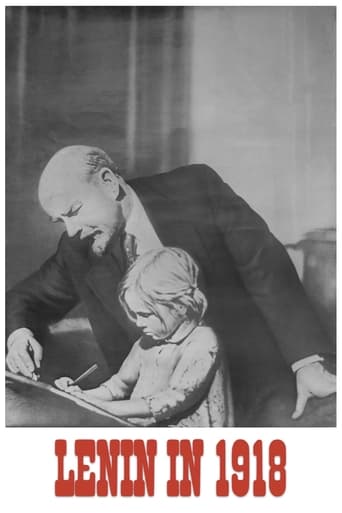
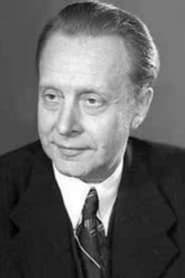
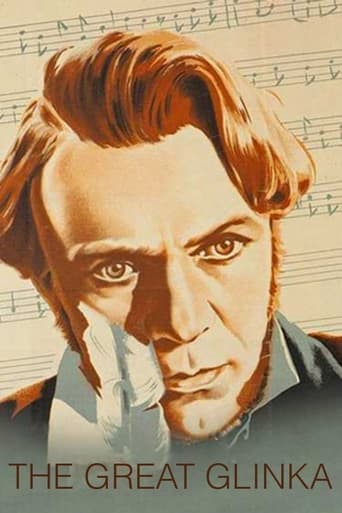
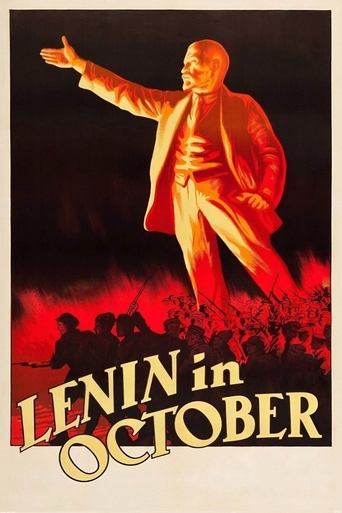
Soviet actor active during the Stalinist era of Soviet cinema, primarily known for his roles in politically significant historical films. His career peaked in the late 1930s and early 1940s, a period when Soviet cinema was heavily focused on revolutionary themes and the glorification of Soviet leadership. Svobodin appeared in some of the most important Soviet propaganda films of his time, particularly those depicting Vladimir Lenin and the early years of the Soviet Union. His role in Mikhail Romm's acclaimed 'Lenin in October' (1937) and its sequel 'Lenin in 1918' (1939) positioned him as a recognizable face in Soviet historical cinema. He continued his career with 'The Great Glinka' (1946), a biographical film about the famous Russian composer, demonstrating his versatility in playing roles from different historical periods. Like many actors of his generation, Svobodin's work was deeply intertwined with the political and cultural objectives of the Soviet state, and his performances contributed to the construction of Soviet historical memory through cinema.
The Craft
On Screen
Svobodin's acting style was characteristic of Soviet realist theater and film of the 1930s-40s, emphasizing clear ideological messaging and historical authenticity. His performances were likely formal and declarative, reflecting the Socialist Realist aesthetic that dominated Soviet arts during this period. As with many Soviet actors of his era, his technique would have prioritized the political and educational function of cinema over individual artistic expression, serving the state's narrative objectives.
Milestones
- Role in 'Lenin in October' (1937)
- Performance in 'Lenin in 1918' (1939)
- Appearance in 'The Great Glinka' (1946)
- Work during the golden age of Soviet propaganda cinema
Best Known For
Iconic Roles
Must-See Films
Working Relationships
Worked Often With
Studios
Why They Matter
Impact on Culture
Nikolai Svobodin contributed to the Soviet project of historical myth-making through cinema during a crucial period of Soviet cultural development. His appearances in films about Lenin helped shape the popular image of the revolutionary leader for Soviet audiences, participating in the creation of the Lenin cult that was central to Soviet ideology. The films he appeared in became part of the official Soviet historical narrative and were shown to generations of Soviet citizens as educational tools, making his small contributions to these works part of the broader cultural landscape of the USSR.
Lasting Legacy
Svobodin's legacy is preserved through his participation in some of the most historically significant Soviet films of the 1930s and 1940s. While he may not have achieved the fame of leading actors like Boris Shchukin (who played Lenin), his work in these canonical films ensures his place in the history of Soviet cinema. The films he appeared in continue to be studied by film historians and scholars of Soviet culture as examples of Socialist Realist cinema and state-sponsored historical narrative.
Who They Inspired
As a supporting actor in major Soviet productions, Svobodin's direct influence on other actors was likely limited. However, his work contributed to the established patterns of performance in Soviet historical films, which influenced generations of Soviet actors who followed. His participation in these films helped establish conventions for portraying historical figures in Soviet cinema that would persist for decades.
Off Screen
Very little documented information is available about Nikolai Svobodin's personal life, which was common for Soviet-era actors who were not among the most prominent stars of the system. Like many Soviet artists of his generation, his life would have been shaped by the political and cultural demands of the Stalinist era.
Did You Know?
- Appeared in two of the most famous Soviet films about Vladimir Lenin
- Worked during the height of Stalin's cultural control over Soviet cinema
- His film career coincided with some of the most politically sensitive years in Soviet history
- The films he appeared in were considered classics of Soviet propaganda cinema
- His active years covered the period from the Great Purge through World War II
- Like many Soviet actors, his work served both artistic and political functions
- The Lenin films he appeared in were directed by Mikhail Romm, one of Soviet cinema's most respected directors
Frequently Asked Questions
Who was Nikolai Svobodin?
Soviet with credits in this catalog.
What films is Nikolai Svobodin best known for?
Titles linked here include Lenin in October (1937), Lenin in 1918 (1939).
When did Nikolai Svobodin live and work?
Svobodin was active as an actor from 1937 to 1946, working during the Stalinist era of Soviet cinema, though his exact birth and death dates are not well documented.
What type of roles did Nikolai Svobodin typically play?
He appeared in supporting roles in Soviet historical and biographical films, particularly those with political and cultural significance to the Soviet state.
Who did Nikolai Svobodin work with?
He worked with prominent Soviet directors including Mikhail Romm and Dmitri Vasilyev, who directed some of the most important Soviet films of the 1930s and 1940s.