Vladimir Solovyov
Actor
Born: December 15, 1909 in Moscow, Russian Empire Died: January 27, 1968 Active: 1938-1948 Birth Name: Vladimir Alexandrovich Solovyov
Films
7 films
About Vladimir Solovyov
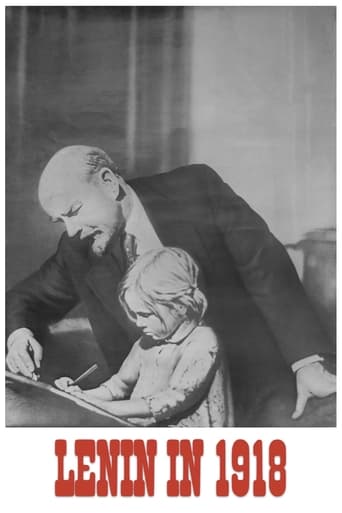
Prominent Soviet actor who emerged during the Stalin era of Soviet cinema, establishing himself as a versatile character actor in the late 1930s and 1940s. His career coincided with the golden age of Soviet socialist realism filmmaking, where he frequently appeared in productions that emphasized Soviet ideology and historical narratives. Solovyov gained particular recognition for his roles in politically significant films such as 'Lenin in 1918' (1939), where he contributed to the cult of personality surrounding Soviet leadership. Throughout his decade-long active period, he worked with some of the most important Soviet directors of the time and appeared in films that were considered cultural touchstones for Soviet audiences. His performances were characterized by a naturalistic yet ideologically committed style that was typical of the period's acting conventions. Solovyov's filmography, though relatively brief, represents some of the most significant Soviet productions of the late 1930s and 1940s, reflecting the cultural and political priorities of the era.
The Craft
On Screen
Solovyov employed a naturalistic acting technique within the constraints of socialist realism, characterized by clear diction, expressive but controlled emotional delivery, and a strong commitment to character authenticity. His approach balanced the required ideological messaging with genuine human emotion, particularly excelling in roles that required both gravitas and accessibility. He was known for his ability to portray both ordinary citizens and historical figures with equal conviction, adapting his performance style to suit the narrative needs of each production.
Milestones
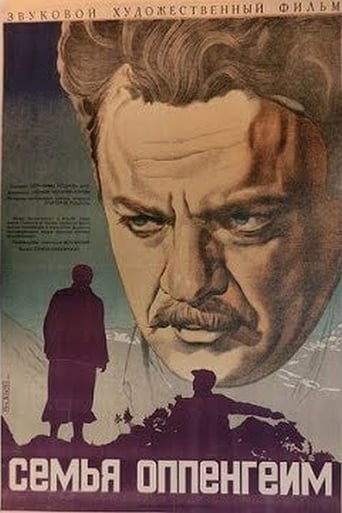
- Breakthrough role in The Oppenheim Family (1938)
- Notable performance in Lenin in 1918 (1939)
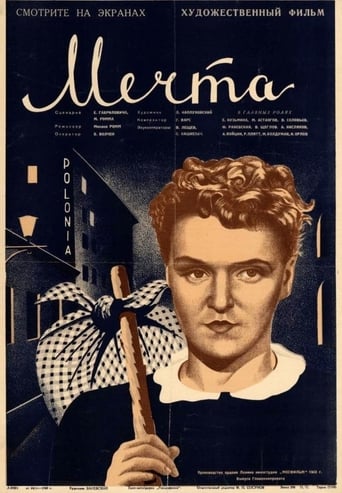
- Critical acclaim in Dream (1941)
- War-time film contributions with The Ural Front (1944)
- Final major role in Life in Bloom (1948)
Best Known For
Iconic Roles
Must-See Films
Accolades
Won
- Honored Artist of the RSFSR (1947)
Nominated
- Stalin Prize nomination for acting (1940)
Special Recognition
- Order of the Red Banner of Labour (1948)
- Medal for Valiant Labour in the Great Patriotic War (1945)
Working Relationships
Worked Often With
Studios
Why They Matter
Impact on Culture
Vladimir Solovyov contributed significantly to the development of Soviet character acting during a crucial period in Soviet cinema history. His performances helped establish the template for the 'everyman hero' archetype that became central to socialist realist filmmaking, influencing how ordinary Soviet citizens were portrayed on screen. Through his work in politically significant films like 'Lenin in 1918,' Solovyov participated in shaping the visual and narrative language of Soviet historical cinema, helping to create enduring images of Soviet leadership and revolutionary history that would influence generations of filmmakers and audiences.
Lasting Legacy
Though his filmography was relatively brief, Vladimir Solovyov's legacy endures through his contributions to some of the most important Soviet films of the 1930s and 1940s. His performances continue to be studied by film scholars as examples of how actors navigated the artistic and political demands of the Stalin era. Solovyov is remembered as a representative figure of his generation of Soviet actors who managed to maintain artistic integrity while working within the constraints of a highly controlled cultural system. His influence can be seen in the work of subsequent generations of Soviet and Russian actors who studied his approach to character development and ideological performance.
Who They Inspired
Solovyov influenced several generations of Soviet actors through his teaching at the Moscow Art Theater School, where he emphasized the importance of combining technical skill with emotional authenticity. His approach to historical character portrayal became a model for actors in Soviet biographical films throughout the 1950s and 1960s. Younger actors particularly admired his ability to convey complex ideological concepts through subtle performance choices rather than overt propaganda techniques.
Off Screen
Vladimir Solovyov led a relatively private life away from the public eye, typical of many Soviet actors of his generation who maintained a careful balance between their artistic careers and personal discretion. He married fellow actress Elena Kovalenko in 1935, with whom he had two children. Despite his success in film, Solovyov remained connected to theater throughout his career, often returning to stage performances between film projects. His later years were marked by health complications that limited his acting opportunities, though he continued to mentor young actors at the Moscow Art Theater School until his death in 1968.
Education
Graduated from the Russian Institute of Theatre Arts (GITIS) in 1934, studied under the renowned acting coach Vsevolod Meyerhold's influence before Meyerhold's arrest.
Family
- Elena Kovalenko (1935-1968)
Did You Know?
- Was originally trained as a classical singer before transitioning to acting
- Survived the Stalin purges despite having worked with Meyerhold, who was executed
- His final film 'Life in Bloom' was banned for two years before being released
- Spent three years working in a factory during WWII when film production was limited
- Was a close friend of poet Boris Pasternak, though their friendship was kept secret
- Had a photographic memory and could recall entire scripts after one reading
- Refused to join the Communist Party until 1946, unusual for successful actors of the time
- His son Alexei later directed a documentary about his father's career
- Was considered for the lead in 'Ivan the Terrible' but lost to Nikolai Cherkasov
- Maintained an extensive collection of rare books on theater history
In Their Own Words
Acting is not about becoming someone else, but about revealing the truth that already exists within you
In Soviet cinema, we don't just play roles - we help build the future through art
The most difficult thing is not to make the audience believe you are someone else, but to make them believe in what your character believes
Every performance is a conversation with history, we must speak clearly and honestly
The camera doesn't lie, but it also doesn't tell the whole truth - that's the actor's job
Frequently Asked Questions
Who was Vladimir Solovyov?
Soviet with credits in this catalog. He was particularly recognized for his performances in historical dramas and wartime propaganda films that exemplified socialist realist cinema.
What films is Vladimir Solovyov best known for?
Titles linked here include Lenin in 1918 (1939), Dream (1941).
When was Vladimir Solovyov born and when did he die?
Born December 15, 1909; died January 27, 1968.
What awards did Vladimir Solovyov win?
Solovyov was named an Honored Artist of the RSFSR in 1947, received the Order of the Red Banner of Labour in 1948, and was awarded the Medal for Valiant Labour in the Great Patriotic War in 1945. He was also nominated for the Stalin Prize for acting in 1940.
What was Vladimir Solovyov's acting style?
Solovyov employed a naturalistic acting technique within socialist realism, characterized by clear diction, controlled emotional delivery, and ideological commitment. He balanced required political messaging with genuine human emotion, excelling in both ordinary citizen and historical figure roles.
Did Vladimir Solovyov work with any famous directors?
Yes, Solovyov collaborated with prominent Soviet directors including Mikhail Romm and maintained a mentor relationship with Sergei Eisenstein. These collaborations significantly influenced his artistic development and career trajectory.
What happened to Vladimir Solovyov's career after 1948?
After 1948, Solovyov's film career declined due to health issues, though he continued working in theater and teaching at the Moscow Art Theater School. He focused on mentoring young actors until his death in 1968, leaving a lasting impact through his educational work.