
The Ural Front
"Ural women run factory and shelter while men fight"
Keys: Space play/pause · ←/→ 10s · F fullscreen · M mute · </> speed
About this film
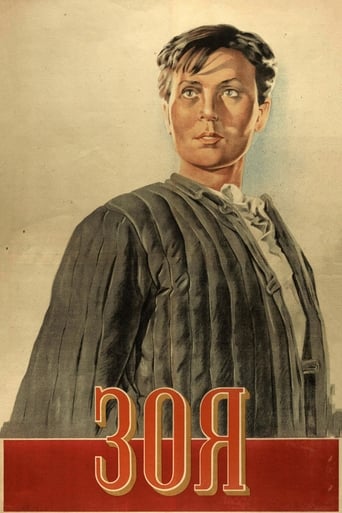
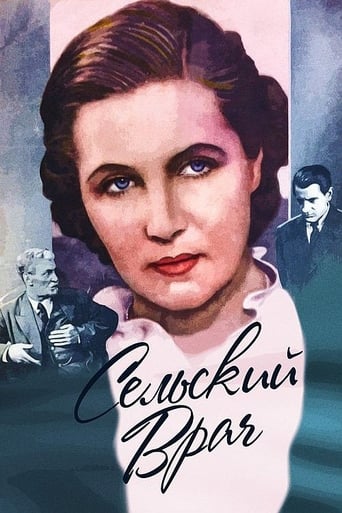
Residents of the Ural town escorted to the front of men. Left alone, women take on the most difficult cases, showing outstanding organizational skills and will. Together with the evacuated plant, refugees arrive in the town.
Cast & crew
More films like this
More War films
View all →

More from Sergei Gerasimov
View all →


More about this film
About the production
Release dateOctober 23, 1944
ProductionMosfilm Studio, Soyuzdetfilm
Filmed inMoscow, Soviet Union, Ural Mountains region (possibly filmed on location or on sets representing the area)
Filmed during the height of World War II, 'The Ural Front' was produced under challenging conditions with limited resources due to wartime shortages. Director Sergei Gerasimov, who also served as a war correspondent, brought authentic wartime experience to the production. The film was part of the Soviet Union's propaganda efforts to boost morale and encourage home front contributions. Many cast and crew members had personal connections to the war, with some having family members serving at the front. The production utilized actual factory workers as extras to add authenticity to the industrial scenes.
Themes
Women's empowerment and changing gender roles during wartimeCollective responsibility and sacrifice for the greater goodThe home front as a crucial battlefield in total warIndustrial production as essential to military victoryPersonal transformation through adversity
Themes & topics
World War IIHome frontWomen workersIndustrial productionSoviet UnionWar propagandaFactory workRefugeesEvacuationPatriotismCollective effortWomen empowermentWar economyFamily separationCommunity solidarity
Historical background
Made during the studio era of 1944, The Ural Front reached audiences through theatrical programs, fairground booths, or specialized distribution channels typical of its generation. August 1941. Residents of the Ural town escorted to the front of men. Left alone, women take on the most difficult. Historians now read such works for what they reveal about production methods, national taste, and the expanding vocabulary of screen narrative.
Why this film matters
Archivists and programmers still screen The Ural Front when tracing how popular entertainment evolved. Its subject—august 1941. residents of the ural town escorted to the front of men. left alone, women take on the—gives later viewers tangible evidence of what drew crowds in its day. Home video, restorations, and festival sidebars keep the title circulating among students of film history.
Making of
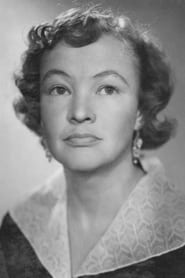
The production of 'The Ural Front' faced numerous challenges typical of wartime filmmaking in the Soviet Union. With many film industry personnel serving in the military, the crew had to work with limited staff and resources. Director Sergei Gerasimov, drawing from his experience as a war correspondent, insisted on authentic details in every scene, from the factory machinery to the characters' clothing and living conditions. The casting process was particularly careful, as the film needed actors who could embody the Soviet ideal of the strong, resilient citizen. Tamara Makarova's portrayal of Anna was so convincing that she became a symbol of Soviet womanhood during the war years. The film's industrial sequences were filmed in actual factories, sometimes during real production shifts, adding genuine atmosphere but requiring careful coordination with factory management. Mark Bernes, besides his acting duties, contributed to the film's musical elements, though this was not prominently credited.
What critics said
Original trade coverage treated The Ural Front as routine program filler rather than a landmark production—typical of steady studio output. Later criticism emphasizes preservation, stylistic comparison with contemporaries, and whatever cast or crew names later gained prominence. Contemporary writing is mostly historical: assessing completeness, influence, and place in a director's or studio's catalog.
Did you know?
- Director Sergei Gerasimov was also a decorated war correspondent during WWII, bringing authentic battlefield experience to his filmmaking
- The film was shot while WWII was still ongoing, making it a contemporary piece of wartime propaganda
- Tamara Makarova, who played Anna, was married to director Sergei Gerasimov in real life
- Mark Bernes, one of the lead actors, was also a famous singer who performed many popular wartime songs
- The film was part of a series of Soviet wartime productions focusing on the home front's contribution to victory
- Many factory scenes used real industrial equipment and actual workers as extras for authenticity
- The Ural region was strategically important during WWII as it housed many evacuated industries from western Soviet territories
- The film's release coincided with the Soviet Union's major offensive operations in 1944
- Despite being propaganda, the film was praised for its realistic portrayal of women's wartime experiences
- The title 'The Ural Front' refers to the concept of the home front as equally important as the military front
Awards & recognition
- Stalin Prize, Second Class (1946) - awarded to director Sergei Gerasimov and lead actors Tamara Makarova and Viktor Dobrovolsky
Visual style
The cinematography of 'The Ural Front' was handled by Vladimir Rapoport, who employed a realistic, documentary-style approach that emphasized the gritty authenticity of industrial settings. The camera work often used deep focus to capture both the vastness of factory spaces and the intimate human dramas within them. Low angles were frequently used when filming the women at work, visually elevating their status and importance. The film's visual language contrasted the cold, mechanical world of the factories with warm, intimate domestic scenes, creating a visual metaphor for the balance between work and family life. Natural lighting was used whenever possible, particularly in the factory sequences, to enhance the documentary feel. The cinematography also incorporated elements of socialist realism, with heroic poses and compositions that emphasized collective action and individual sacrifice for the greater good.
Innovations
For its time, 'The Ural Front' demonstrated several technical achievements in Soviet filmmaking. The production successfully integrated real industrial locations with studio sets, creating a seamless visual narrative. The film's sound recording in noisy factory environments presented significant challenges, which were overcome through innovative microphone placement and post-production techniques. The movie featured some of the earliest examples of authentic industrial cinematography in Soviet cinema, capturing the scale and complexity of wartime production facilities. The film's editing, particularly in sequences showing the transformation of ordinary women into skilled industrial workers, used montage techniques effectively to convey character development and social change. The production also developed new methods for filming in confined industrial spaces, using specialized camera mounts and lighting techniques that would influence later Soviet industrial films.
Music
The musical score for 'The Ural Front' was composed by Vano Muradeli, who created a soundtrack that blended traditional Russian folk elements with Soviet patriotic music. The score emphasized emotional moments without overwhelming the narrative, using leitmotifs to represent different characters and themes. The film's music incorporated elements of popular wartime songs, helping to connect the on-screen action with the audience's contemporary experience. Mark Bernes, besides his acting role, contributed to musical elements, though his singing was not prominently featured in the final cut. The soundtrack used orchestral arrangements that swelled during moments of collective triumph and became more intimate during family scenes. The music served the dual purpose of enhancing emotional impact and reinforcing the film's patriotic themes, a common characteristic of Soviet wartime cinema.
Famous quotes
When men go to war, women become the front line at home.
Every rivet we hammer is a bullet for our soldiers.
Our strength is not just in our army, but in our factories and our hearts.
In times of war, every woman becomes a soldier of production.
The Ural is not just mountains and factories - it's the unbreakable spine of our Motherland.
Memorable scenes
- The powerful opening sequence showing the men departing for the front as women wave goodbye, their faces showing both pride and fear
- The montage of women learning to operate complex factory machinery, transitioning from hesitation to confident expertise
- The emotional scene where Anna takes in the refugee family, demonstrating compassion that inspires the entire community
- The climactic factory production sequence where women work through an air raid, refusing to stop their essential work
- The final scene showing the women receiving news of military victories, validating their home front contributions
What audiences thought
The film was enthusiastically received by Soviet audiences in 1944, who found its portrayal of home front struggles relatable and inspiring. Many viewers reported emotional responses to scenes depicting women taking on traditionally male roles and the challenges of maintaining family life during wartime. The character of Anna became particularly popular, with many Soviet women seeing in her a reflection of their own experiences and aspirations. The film's success at the domestic box office was significant for a wartime production, indicating strong public interest in stories about the home front. Veterans and factory workers who had lived through similar experiences praised the film's authenticity and attention to detail. The movie continued to be popular in post-war Soviet retrospectives and was frequently shown on television during Victory Day celebrations, cementing its place in Soviet cultural memory.
Film connections
Influenced by
- Earlier Soviet propaganda films such as 'Chapaev' (1934)
- Socialist realist literature and art of the 1930s-40s
- Documentary war footage and newsreels of the period
- Traditional Russian narratives of community resilience
- Contemporary American and British wartime films focusing on the home front
This film influenced
- Later Soviet films about the home front such as 'The Cranes Are Flying' (1957)
- Post-war Soviet cinema dealing with women's roles in society
- Soviet films of the 1950s-60s that revisited the WWII experience
- Cinema from other socialist countries dealing with wartime themes
Film restoration
The film has been preserved in the Gosfilmofond Russian State Archive, though its availability outside Russia is limited. The original negatives survived the war years and have been maintained as part of Soviet cinema heritage. Some restoration work was undertaken in the 1970s and again in the early 2000s to preserve the film for future generations. Digital copies exist in Russian film archives, but high-quality versions with English subtitles remain rare in Western collections.
Where to watch
- Available through Russian film archives and specialized cinema collections
- Occasionally screened at film festivals focusing on classic or wartime cinema
- Some Russian streaming platforms may offer the film with subtitles
- Available through select university film studies programs and libraries
- Museum of Modern Art (MoMA) film collection in New York may have screenings