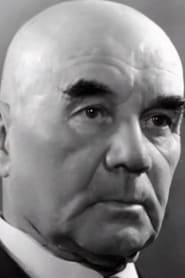
Sergei Blinnikov
Actor
Born: June 7, 1901 in Moscow, Russian Empire Died: November 29, 1951 Active: 1938-1951 Birth Name: Sergei Kapitonovich Blinnikov
Films
12 films
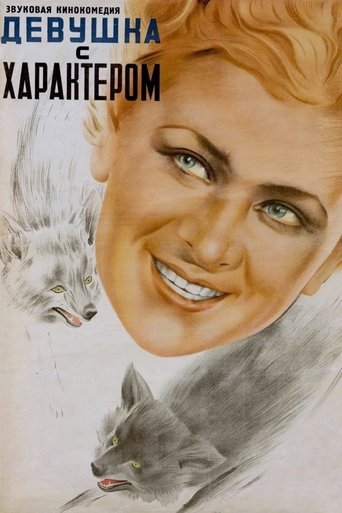
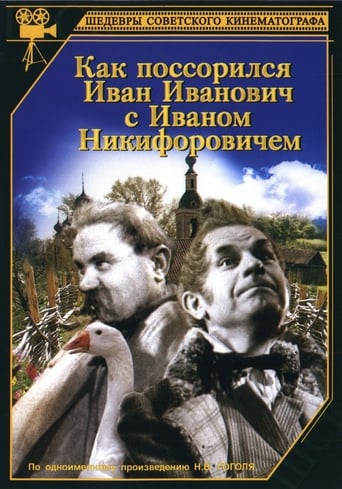
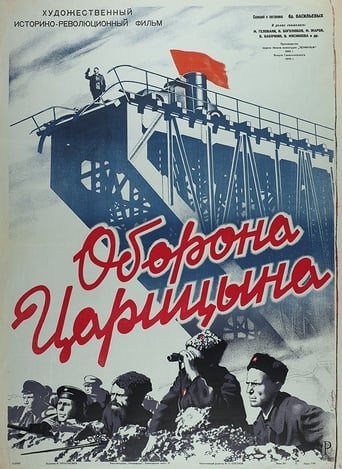
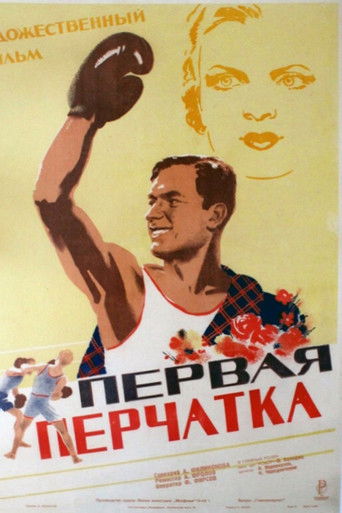
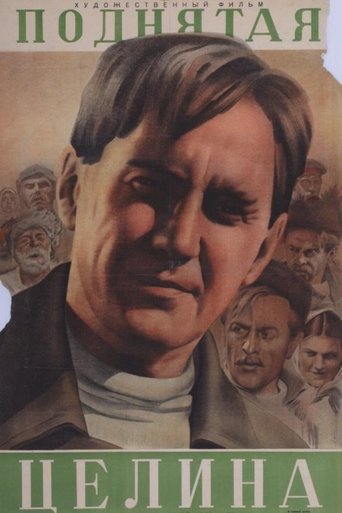
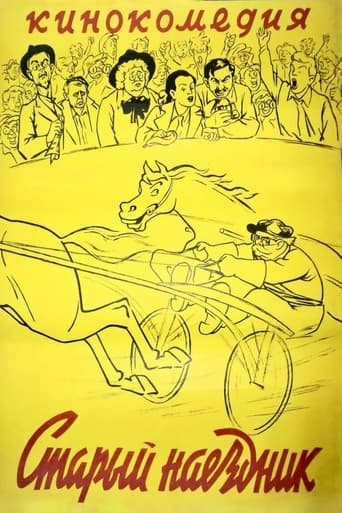
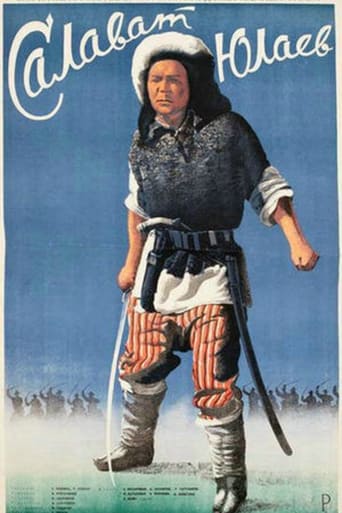
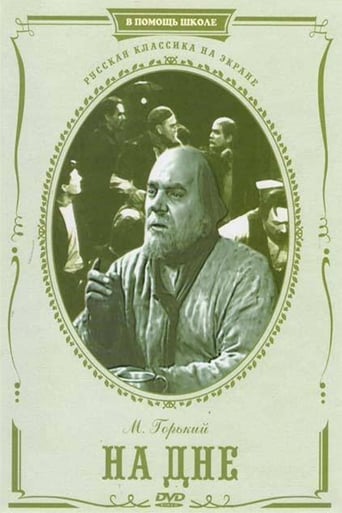
About Sergei Blinnikov
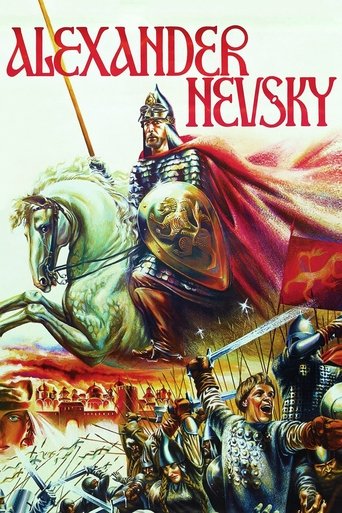
Soviet actor: the pivotal years of Stalinist cinema, becoming recognizable character actors of his era. Born in 1901, he began his theatrical career before transitioning to film just as Soviet cinema was reaching its artistic zenith in the late 1930s. His breakthrough came with Sergei Eisenstein's masterpiece 'Alexander Nevsky' (1938), where he played the role of the Mongol general, establishing his reputation for portraying authoritative and villainous characters. Throughout the 1940s, Blinnikov became a staple of Soviet war films and historical epics, often cast as military officers, officials, or antagonists due to his commanding presence and distinctive features. He worked with many of the Soviet Union's most prominent directors, including Vsevolod Pudovkin and Grigori Alexandrov, becoming a familiar face to Soviet audiences during World War II and the immediate post-war period. His filmography includes over 30 films between 1938 and his death in 1951, with his final completed film being 'The Unforgettable Year 1919' (1951), released posthumously. Blinnikov's career exemplified the character actor's role in Soviet cinema, providing depth and authenticity to ensemble casts while rarely achieving leading man status, yet leaving an indelible mark on the films he graced.
The Craft
On Screen
Blinnikov was known for his powerful screen presence and ability to embody authoritarian figures with convincing intensity. His acting style was rooted in the Stanislavski system, emphasizing psychological realism combined with the theatrical traditions of the Moscow Art Theatre. He possessed a distinctive deep voice and commanding physical presence that made him particularly effective in roles of military officers, officials, and antagonists. Blinnikov's technique involved meticulous character preparation, often studying historical figures to bring authenticity to period roles. His performances were marked by a certain gravitas and dignity, even when playing villains, avoiding caricature in favor of complex, multi-dimensional characterizations.
Milestones
- Breakthrough role in Eisenstein's 'Alexander Nevsky' (1938)
- Prolific character actor in Soviet war films
- Member of the Moscow Art Theatre company
- Recipient of the Stalin Prize for acting
- Posthumous recognition for contributions to Soviet cinema
Best Known For
Iconic Roles
Must-See Films
Accolades
Won
- Stalin Prize, Second Class (1948)
- Honored Artist of the RSFSR (1946)
- Order of the Red Banner of Labour
Special Recognition
- Moscow Art Theatre membership
- State recognition for wartime film contributions
Working Relationships
Worked Often With
Studios
Why They Matter
Impact on Culture
Sergei Blinnikov's contributions to Soviet cinema extended beyond his individual performances to help establish the archetype of the authoritative character actor in Russian film. His work in Eisenstein's 'Alexander Nevsky' helped define the visual language of Soviet historical epics, particularly in the portrayal of antagonistic forces. During World War II, Blinnikov's appearances in patriotic films contributed to Soviet morale and the war effort, making him a familiar face to millions of Soviet citizens during a critical period in their history. His ability to embody both historical and contemporary figures with authenticity helped bridge the gap between Soviet ideological requirements and artistic expression, demonstrating how character actors could serve both political and artistic purposes in state-controlled cinema. Blinnikov's career trajectory from stage actor to film star also reflected the growing importance of cinema as a cultural medium in the Soviet Union during the 1930s and 1940s.
Lasting Legacy
Sergei Blinnikov remains an important figure in the history of Soviet cinema, representing the golden age of Stalinist film production and the character actor's crucial role in ensemble storytelling. His performances continue to be studied by film scholars interested in the intersection of art and politics in Soviet cultural production. Blinnikov's work in classic films like 'Alexander Nevsky' ensures his place in cinema history, as these films remain among the most internationally recognized Soviet productions. The Moscow Art Theatre, where he spent much of his career, continues to honor his memory as one of their alumni. His influence can be seen in subsequent generations of Russian character actors who followed his model of bringing depth and dignity to supporting roles. Blinnikov's filmography serves as a valuable record of Soviet cinematic techniques and themes during a pivotal period in the country's history.
Who They Inspired
Blinnikov's approach to character acting influenced subsequent generations of Soviet and Russian performers, particularly in his ability to bring complexity to potentially one-dimensional roles. His work with directors like Eisenstein helped establish techniques for historical film acting that balanced authenticity with the dramatic requirements of cinema. Younger actors at the Moscow Art Theatre benefited from his experience in transitioning between stage and screen performance. His success in portraying both historical figures and contemporary characters demonstrated the versatility required of Soviet actors during this period. Blinnikov's career also showed how character actors could build substantial careers and recognition without becoming leading stars, providing a model for actors who specialized in supporting roles.
Off Screen
Sergei Blinnikov maintained a relatively private personal life despite his public prominence as a Soviet film star. He was married to actress Valentina Blinnikova, with whom he often collaborated in theatrical productions. The couple had one son, Vladimir Blinnikov, who also pursued a career in the arts but primarily worked behind the scenes in film production. Blinnikov was known among colleagues for his dedication to the craft and his willingness to mentor younger actors at the Moscow Art Theatre. His life was deeply intertwined with the cultural institutions of Soviet Russia, and he navigated the complex political landscape of Stalinist cinema with apparent success. Blinnikov died unexpectedly in 1951 at the age of 50, cutting short a career that was still at its peak.
Education
Moscow Art Theatre School, graduated 1925
Family
- Valentina Blinnikova (married until his death in 1951)
Did You Know?
- Blinnikov was originally trained as a stage actor at the prestigious Moscow Art Theatre school
- His role in 'Alexander Nevsky' was his first major film appearance at age 37
- He often played German officers during wartime films, despite being Russian
- Blinnikov was known for his method approach to roles, often spending weeks researching historical characters
- He was one of the few actors to successfully transition from silent theatre to sound film in the Soviet Union
- His death in 1951 meant he missed the post-Stalin cultural thaw that would have potentially expanded his artistic opportunities
- Blinnikov's distinctive appearance made him a favorite choice for villainous roles in Soviet cinema
- He worked with virtually every major Soviet director of his era
- His final film 'The Unforgettable Year 1919' was released posthumously and became one of his most acclaimed performances
- Blinnikov maintained a parallel stage career throughout his film work, rarely abandoning his theatrical roots
In Their Own Words
In cinema, the smallest gesture must carry the weight of history
Playing the villain requires finding the humanity within the darkness
Every character, even in a supporting role, must have a complete inner life
The stage teaches you to project to the back row; film teaches you to speak to the camera lens
Soviet cinema is not entertainment, it is education through emotion
Frequently Asked Questions
Who was Sergei Blinnikov?
Prominent Soviet character with credits in this catalog.' He was a member of the Moscow Art Theatre and became.
What films is Sergei Blinnikov best known for?
Titles linked here include Alexander Nevsky (1938), A Girl with Character (1939).
When was Sergei Blinnikov born and when did he die?
Born June 7, 1901; died November 29, 1951.
What awards did Sergei Blinnikov win?
Blinnikov received the Stalin Prize, Second Class in 1948, was named an Honored Artist of the RSFSR in 1946, and was awarded the Order of the Red Banner of Labour for his contributions to Soviet cinema and theatre.
What was Sergei Blinnikov's acting style?
Blinnikov's acting style was rooted in the Stanislavski system, emphasizing psychological realism and deep character preparation. He was known for his commanding presence, distinctive deep voice, and ability to bring complexity to authoritative and villainous roles, avoiding caricature in favor of nuanced performances.
Did Sergei Blinnikov work with famous directors?
Yes, Blinnikov worked with many of the Soviet Union's most prominent directors including Sergei Eisenstein in 'Alexander Nevsky,' Vsevolod Pudovkin, and Grigori Alexandrov. His collaborations with these masters of Soviet cinema helped establish his reputation as a reliable character actor.
What was Sergei Blinnikov's connection to theatre?
Blinnikov was primarily trained as a stage actor at the Moscow Art Theatre school and maintained an active theatrical career throughout his film work. He was a member of the Moscow Art Theatre company and often mentored younger actors in both stage and screen performance techniques.