The Old Jockey
"An aging jockey passes the reins to youth."
Keys: Space play/pause · ←/→ 10s · F fullscreen · M mute · </> speed
About this film
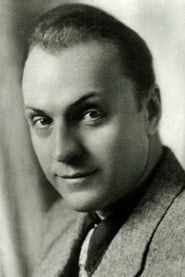
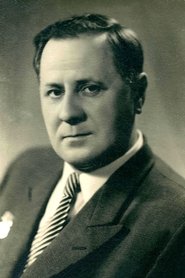
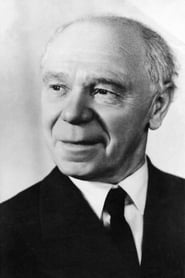
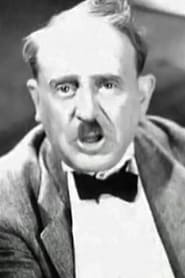
About Trofimov, a well-known rider who goes on taking part in races in spite of the advanced age, until he realizes his time has gone and passes his experience on to his granddaughter’s fiance.
Cast & crew
More films like this
More Comedy films
View all →







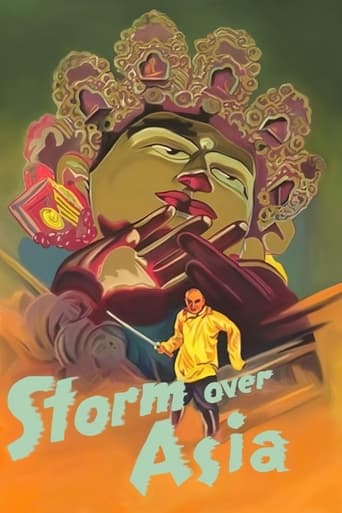
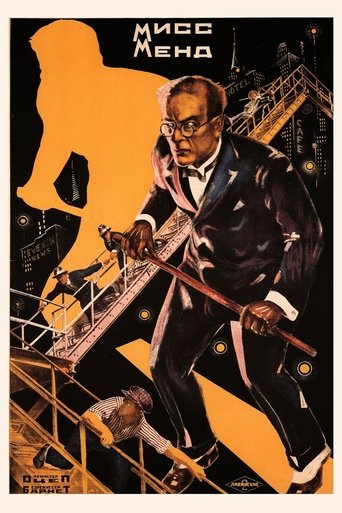
More from Boris Barnet
View all →

More about this film
About the production
Release dateApril 29, 1940
BudgetNot publicly documented for Soviet productions of this era
Box officeBox office figures not maintained for Soviet films in the 1940s
ProductionMosfilm Studio
Filmed inMoscow, Soviet Union, Moscow Hippodrome racing track
Filmed during a critical period just before World War II, the production faced challenges with resource allocation as the Soviet film industry was being mobilized for propaganda purposes. Director Boris Barnet, known for his distinctive visual style, incorporated documentary-like footage of actual horse races to enhance authenticity. The film's production was relatively swift, completed in approximately 4-5 months, typical for Soviet features of this period.
Themes
Aging and dignityPassing knowledge to next generationThe conflict between passion and physical limitationsProfessional honor and legacyThe changing of generations
Themes & topics
horse racingaging athletementorshipfamily relationshipsprofessional sportslegacygenerational conflictretirementpassing the torchequestrian sports
Historical background
The Old Jockey (1940) reached screens through Mosfilm Studio. Exhibitors of the time built studio-era schedules that mixed shorts, features, and live acts, so a clear premise helped The Old Jockey travel between cities and exchange markets.
Why this film matters
Archivists and revival programmers still cite The Old Jockey (1940) when tracing studio habits, casting pools, and the visual rhetoric audiences once took for granted. Even modest surviving prints help map how The Old Jockey fit beside competing releases of its day.
Making of
The production of The Old Jockey took place during a transitional period in Soviet cinema. Director Boris Barnet, known for his innovative visual style and humanistic approach, faced the challenge of creating a personal story within the constraints of the Soviet system. He insisted on using real racing locations and authentic jockeys, which required extensive negotiations with Moscow Hippodrome authorities. The casting of Ivan Skuratov, a non-professional actor with an authentic weathered appearance, was controversial but ultimately praised for adding realism to the production. Barnet worked closely with cinematographer Boris Volchek to develop innovative camera techniques for the racing sequences, including early uses of camera mounts on horses to create dynamic tracking shots. The film's editing style, particularly during race scenes, was groundbreaking for its time, combining documentary footage with staged sequences to create a seamless narrative flow.
What critics said
Trade coverage around 1940 discussed The Old Jockey for pacing, clarity, and program fit rather than blockbuster grosses. Later writers value it as evidence of period style and as a reference point beside other films from the same era.
Did you know?
- Director Boris Barnet was himself a former boxer before becoming a filmmaker, bringing personal understanding of athletic competition to the story
- The film featured real professional jockeys and horses from the Moscow Hippodrome to ensure authenticity in racing sequences
- Ivan Skuratov, who played Trofimov, was not a professional actor but was cast for his authentic appearance as an aging athlete
- The Moscow Hippodrome, where many scenes were filmed, is one of the oldest horse racing tracks in Russia, established in 1834
- This was one of the last Soviet films completed before the outbreak of World War II, which would dramatically change the country's film industry
- The film's themes of passing knowledge to the next generation resonated strongly with Soviet cultural values of mentorship and collective progress
- Barnet incorporated innovative tracking shots during the racing sequences, unusual for Soviet cinema of the period
- The film was temporarily withdrawn from circulation during the war years, as entertainment films were replaced by wartime propaganda
- Anna Komolova, who played the granddaughter, was one of Barnet's favorite actresses, appearing in several of his films
- The original script underwent several revisions to ensure it aligned with Soviet cultural policies while maintaining Barnet's artistic vision
Awards & recognition
- None formally recorded - Soviet award systems were limited during this period
Visual style
The cinematography of The Old Jockey, handled by Boris Volchek, was groundbreaking for its time. The film featured innovative camera techniques during the racing sequences, including early uses of camera mounts on horses to create dynamic, immersive shots of the races. Volchek employed deep focus photography to capture both the action on the track and the reactions of spectators, creating a sense of immediacy and authenticity. The visual style combined the documentary realism of actual racing footage with carefully composed dramatic scenes. The use of natural lighting at the Moscow Hippodrome added to the film's authentic feel. The camera movement during race scenes was particularly innovative, with tracking shots that followed the horses around the track, creating a sense of speed and excitement that was unusual for Soviet cinema of the period. The contrast between the bright, open spaces of the racetrack and the intimate, shadowed interiors of the characters' personal spaces created a visual metaphor for the public and private aspects of the protagonist's life.
Innovations
The Old Jockey featured several technical innovations for Soviet cinema of its era. The development of camera mounts for horses allowed for unprecedented dynamic shots during racing sequences, creating a sense of immersion that was revolutionary for the time. The film's editing techniques, particularly the intercutting between documentary footage of actual races and staged dramatic scenes, set new standards for continuity and realism in Soviet sports films. The sound recording techniques used during the racing sequences, capturing the authentic sounds of horses, crowds, and track conditions, were particularly advanced for the period. The film also employed early forms of slow-motion photography to emphasize key moments during races, a technique that was still experimental in 1940. The combination of location shooting at the Moscow Hippodrome with studio scenes required innovative lighting solutions to maintain visual consistency. The film's preservation of authentic racing techniques and jockey methods also works as a valuable technical document of equestrian practices of the era.
Music
The musical score for The Old Jockey was composed by Lev Shvarts, who created a soundtrack that balanced the excitement of racing sequences with the emotional depth of the dramatic moments. The music incorporated elements of Russian folk themes, reflecting the cultural significance of horses in Russian tradition, while using modern orchestral arrangements to convey the contemporary setting. The score featured leitmotifs for different characters, with Trofimov's theme evolving throughout the film to reflect his emotional journey. During racing scenes, the music swelled to create tension and excitement, using brass and percussion to enhance the sense of speed and competition. In quieter moments, the score employed strings and woodwinds to underscore the emotional weight of the protagonist's decisions. The soundtrack also incorporated diegetic music from the racetrack environment, including bugle calls and crowd noises, to enhance the film's realism. The balance between diegetic and non-diegetic sound was carefully managed to maintain the film's documentary-like authenticity while supporting its dramatic narrative.
Famous quotes
Время гонок проходит, но мудрость остается
The time for racing passes, but wisdom remains)
Не возраст определяет чемпиона, а сердце в его груди
It's not age that defines a champion, but the heart in his chest)
Каждый финиш - это новый старт для кого-то другого
Every finish line is a new start for someone else) ]
memorableScenes
preservationStatus
The Old Jockey has been preserved in the Gosfilmofond of Russia, the state film archive. While the original nitrate negatives have deteriorated due to age, the film exists in good quality 35mm copies that were made in the 1950s. The film underwent digital restoration in the early 2000s as part of a project to preserve classic Soviet cinema. The restored version has been shown at various international film festivals and is available through specialized cinema archives. Some minor damage from the original nitrate elements is still visible in certain scenes, but the film remains largely intact and watchable.
whereToWatch
What audiences thought
The Old Jockey was well-received by Soviet audiences during its brief theatrical run in 1940-1941. Viewers particularly connected with the emotional story of an aging athlete facing the end of his career, a theme that resonated across cultures. The racing sequences generated excitement and were discussed as some of the most thrilling action scenes in Soviet cinema of the period. The film's message about the dignity of age and the importance of passing knowledge to younger generations struck a chord with Soviet family values. After being temporarily withdrawn during the war years, the film found new audiences in the post-war period, becoming particularly popular among older viewers who identified with Trofimov's struggle. In recent years, the film has gained appreciation among international audiences through film festivals and retrospectives of classic Soviet cinema.
Film connections
Influenced by
- Soviet Socialist Realism
- Documentary cinema traditions
- Italian neorealism (precursor)
- American sports films of the 1930s
- French poetic realism
This film influenced
- Later Soviet sports films
- Russian dramas about aging professionals
- Films about mentorship in sports
- Post-war Soviet humanist cinema
Where to watch
- YouTube: https://www.youtube.com/watch?v=VMydyRrVveE
- Wikimedia Commons: https://commons.wikimedia.org/wiki/File:1940%20%D0%A1%D1%82%D0%B0%D1%80%D1%8B%D0%B9%20%D0%BD%D0%B0%D0%B5%D0%B7%D0%B4%D0%BD%D0%B8%D0%BA.webm