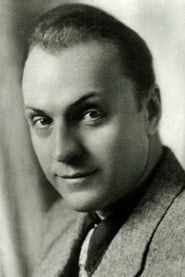
Leonid Kmit
Actor
Born: March 28, 1908 in St. Petersburg, Russian Empire Died: January 13, 1982 Active: 1932-1975 Birth Name: Leonid Aleksandrovich Kmit
Films
9 films


About Leonid Kmit
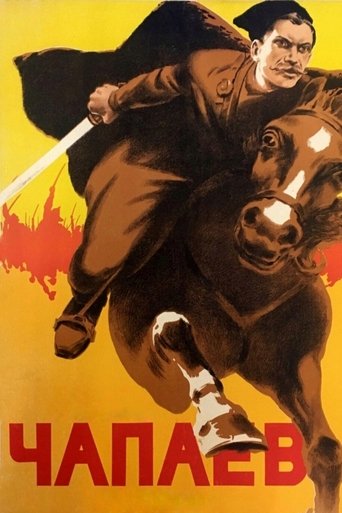
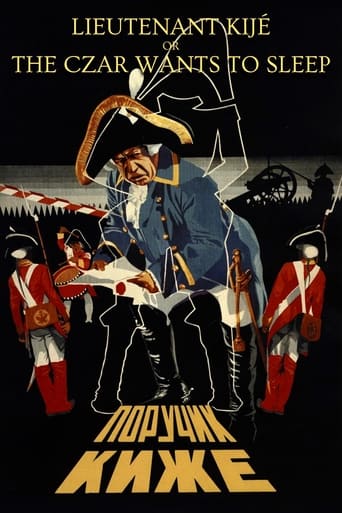
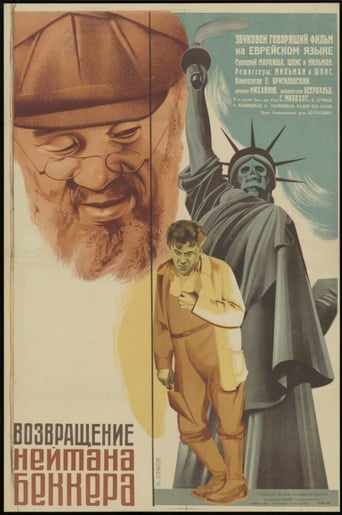
Leonid Kmit, born Leonid Aleksandrovich Kmit, was a prominent Soviet actor whose career flourished during the golden age of Soviet cinema in the 1930s. He began his acting career at the Leningrad Drama Theater before transitioning to film, where he quickly gained recognition for his distinctive screen presence and versatile acting abilities. His breakthrough came with the role of Petka in the film 'Chapayev' (1934), which became Soviet films of all time and established him as a leading actor in Soviet cinema. Throughout the 1930s, Kmit appeared in numerous significant films including 'Lieutenant Kizhe' (1934) and 'The Return of Nathan Becker' (1932), showcasing his ability to portray both comedic and dramatic characters with equal skill. His career was somewhat interrupted by World War II, but he continued acting in the post-war period, though with less frequency than his prolific 1930s period. Kmit's contribution to Soviet cinema was significant, helping to establish the archetypal characters that would define Soviet heroic cinema for decades.
The Craft
On Screen
Kmit was known for his naturalistic yet expressive acting style that combined physical comedy with deep emotional resonance. He possessed a distinctive screen presence characterized by his expressive eyes and ability to convey complex emotions through subtle facial expressions. His approach to acting was grounded in the Stanislavski system, which emphasized psychological realism and emotional authenticity. Kmit had a particular talent for portraying working-class characters with dignity and humor, making them relatable to Soviet audiences. His comedic timing was exceptional, often using understated gestures and facial expressions rather than broad physical comedy.
Milestones
- Breakthrough role as Petka in Chapayev (1934)
- Appeared in Lieutenant Kizhe (1934)
- Key role in The Return of Nathan Becker (1932)
- Starred in A Commandant of Birds Island (1939)
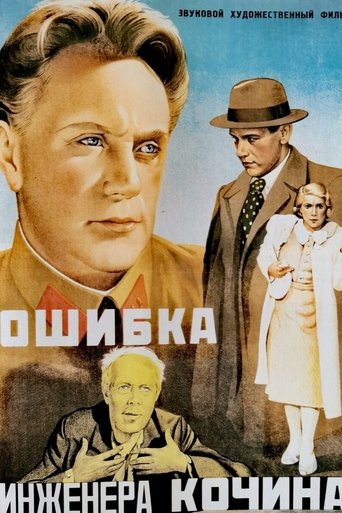
- Featured in Engineer Kochin's Error (1939)
- Received recognition as a Merited Artist of the RSFSR
Best Known For
Iconic Roles
Must-See Films
Accolades
Won
- Merited Artist of the RSFSR (1935)
- Order of the Red Banner of Labour (1938)
Nominated
- Stalin Prize nomination for Chapayev (1934)
Special Recognition
- Honored as one of the founding actors of Soviet sound cinema
- Commemorated in Soviet film history textbooks
Working Relationships
Worked Often With
Studios
Why They Matter
Impact on Culture
Leonid Kmit played a significant role in shaping the archetype of the Soviet hero in cinema, particularly through his portrayal of Petka in 'Chapayev'. This character became an enduring symbol of the loyal, brave, and slightly comedic revolutionary soldier that would be replicated in countless Soviet films thereafter. His performances helped establish the visual and behavioral language of Soviet cinema during its formative years of sound film. Kmit's work contributed to the creation of a distinctly Soviet cinematic style that balanced heroic idealism with human relatability. His films were not only popular entertainment but also served as cultural touchstones that reinforced Soviet values and mythology.
Lasting Legacy
Leonid Kmit's legacy endures through the continued study and appreciation of classic Soviet cinema, particularly his iconic performance in 'Chapayev', which remains. His portrayal of Petka created a template for the sidekick character in Soviet heroic cinema that would be emulated for decades. Film scholars continue to analyze his naturalistic acting style as an example of how Soviet actors successfully adapted theatrical techniques to the new medium of sound film. Kmit's work represents an important bridge between the experimental cinema of the 1920s and the more standardized socialist realist style that would dominate Soviet film in the 1940s and 1950s.
Who They Inspired
Kmit influenced subsequent generations of Soviet actors through his demonstration of how to blend comedic elements with dramatic seriousness without compromising either. His naturalistic approach to character portrayal helped move Soviet cinema away from the more stylized acting of the silent era toward a more psychologically realistic style. Younger actors studied his technique of using minimal gestures to maximum effect, particularly in close-up shots that became more common with sound film. His success in playing working-class characters authentically set a standard for actors in socialist realist cinema.
Off Screen
Leonid Kmit led a relatively private personal life, focusing primarily on his craft and contribution to Soviet cinema. He was married to fellow actress Valentina Serova for a brief period in the 1930s, though their marriage ended in divorce. Kmit was known among his colleagues as a dedicated professional who took his craft seriously and often mentored younger actors. He lived through the tumultuous period of Stalin's purges but managed to maintain his career and reputation. In his later years, he suffered from health problems that limited his acting opportunities, though he remained respected in the Soviet film community until his death in 1982.
Education
Graduated from the Leningrad Institute of Performing Arts (1930)
Family
- Valentina Serova (1934-1937)
Did You Know?
- His stage name 'Kmit' was actually his family's original surname before they Russified it
- The role of Petka in Chapayev was initially offered to another actor who turned it down
- Kmit was one of the first Soviet actors to successfully transition from silent to sound films
- He was known for his method acting approach, often staying in character between takes
- During World War II, he performed for frontline troops as part of theater brigades
- His distinctive facial features made him a popular subject for Soviet caricaturists
- Kmit was fluent in three languages: Russian, Ukrainian, and German
- He was considered for the lead in 'Alexander Nevsky' but the role went to Nikolai Cherkasov
- His performance in Chapayev was studied in Soviet acting schools for decades
- Kmit maintained a lifelong friendship with his Chapayev co-star Boris Babochkin
In Their Own Words
Acting is not about becoming someone else, but about finding the parts of yourself that match the character
In Soviet cinema, we don't just entertain – we build the future through our art
The greatest compliment is when a worker in a factory says I remind him of his brother
Petka wasn't just a role – he was the soul of the Russian soldier
Cinema must serve the people, or it serves nothing at all
Frequently Asked Questions
Who was Leonid Kmit?
Prominent Soviet with credits in this catalog. He was one of the leading actors of his generation who successfully transitioned from silent to sound films and helped establish the archetype of the Soviet hero in cinema.
What films is Leonid Kmit best known for?
Titles linked here include Chapayev (1934), Lieutenant Kizhe (1934).
When was Leonid Kmit born and when did he die?
Born March 28, 1908; died January 13, 1982.
What awards did Leonid Kmit win?
Leonid Kmit was named a Merited Artist of the RSFSR in 1935 and received the Order of the Red Banner of Labour in 1938. He was also nominated for a Stalin Prize for his performance in 'Chapayev', though the award ultimately went to other members of the production team.
What was Leonid Kmit's acting style?
Kmit was known for his naturalistic yet expressive acting style that combined physical comedy with deep emotional authenticity. He employed the Stanislavski system, using subtle facial expressions and minimal gestures to convey complex emotions, particularly excelling at portraying working-class characters with dignity and humor.