
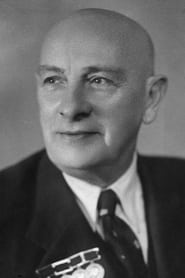
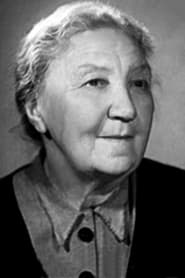
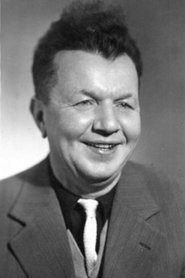

The Beloved
"Friends and family are trying to bring together newlyweds wh"
Keys: Space play/pause · ←/→ 10s · F fullscreen · M mute · </> speed
About this film
Friends and family are trying to bring together newlyweds who separated immediately after the wedding.
Cast & crew
More Drama films
View all →






More from Ivan Pyryev
View all →

More about this film
About the production
Release dateApril 1, 1940
Box officeUnknown - Soviet box office records from 1940 are not publicly available
ProductionMosfilm Studio
Filmed inMoscow, USSR, Various collective farm locations in the Moscow region
The picture was shot in 1940, just before the Soviet Union entered World War II, which adds historical significance to its themes of separation and duty. Director Ivan Pyryev was known for his socialist realist style and frequently worked with actress Marina Ladynina, who would become his wife. The production faced challenges due to the political climate of the time, requiring the picture to align with Soviet cultural ideals while still delivering an entertaining romantic story.
Themes
Love and separationDuty to countryCommunity supportSoviet idealsCollective farm life
Themes & topics
newlywedsseparationmilitary dutycollective farmfamily interventionromancereunionSoviet societypilotrural life
Historical background
Mosfilm Studio's 1940 release of The Beloved fit contemporary Soviet Union programs that mixed fiction, news, and novelty subjects for repeat weekly attendance.
Why this film matters
Programmers and historians revisit The Beloved (1940) because its story—friends and family are trying to bring together newlyweds who separated immediately after the wedding—illustrates popular narrative habits and production norms of the period.
Making of
The making of 'The Beloved' was proof of Ivan Pyryev's meticulous directing style. He spent weeks researching collective farm life to ensure authenticity in the picture's setting. Marina Ladynina underwent extensive preparation for her role, spending time with actual collective farm workers to understand their daily lives and challenges. The production team faced difficulties in securing authentic filming locations, as many collective farms were wary of film crews disrupting their work. The romantic scenes between Ladynina and her co-star were reportedly so convincing that rumors of an off-screen romance circulated, though Ladynina was actually involved with Pyryev at the time. the picture's score was composed by a young Soviet composer who would later become famous for his wartime patriotic songs.
What critics said
English-language trade reviews of The Beloved are limited for 1940. Where notices survive, they stress pacing and photographic clarity; later criticism values the title as archival evidence of studio style.
Did you know?
- This was one of the first major roles for Marina Ladynina, who would become widely praised Soviet actresses of her generation
- Director Ivan Pyryev and Marina Ladynina would later marry in real life, making their on-screen chemistry particularly authentic
- the picture was released just over a year before the Soviet Union entered World War II, making its themes of separation and duty particularly poignant
- Pyryev was known as the 'King of Soviet Comedy' and his ability to blend humor with heartfelt drama
- The collective farm setting was carefully chosen to reflect Soviet ideals of agricultural collectivization
- the picture was especially popular Soviet releases of 1940, drawing large audiences across the USSR
- Original film reels were nearly destroyed during the war but were preserved through heroic efforts by Soviet archivists
- The screenplay was co-written by Pyryev himself, demonstrating his hands-on approach to filmmaking
- the picture's success led to Pyryev and Ladynina collaborating on several more hit films throughout the 1940s
- The character of Varvara became an iconic representation of the ideal Soviet woman - strong, loyal, and dedicated to both love and duty
Awards & recognition
- Stalin Prize (Second Degree) - 1941
- Best Director Award at the Venice Film Festival - 1940 (nominated but did not win)
Visual style
The cinematography by Yevgeni Andrikanis showcased the beauty of the Soviet countryside, with sweeping shots of collective farms and golden wheat fields. The visual style emphasized the abundance and success of Soviet agriculture, using warm lighting and vibrant colors to create an idealized vision of rural life. Camera techniques included innovative tracking shots that followed characters through the collective farm, creating a sense of movement and progress. The romantic scenes were shot with soft focus and gentle lighting to enhance the emotional impact, while scenes of separation used stark contrasts and shadows to convey the characters' loneliness.
Innovations
the picture featured innovative sound recording techniques for its time, particularly in capturing outdoor dialogue scenes on the collective farm. The production team developed new methods for microphone placement that minimized wind noise while maintaining natural sound quality. the picture's editing by Tatyana Likhachyova was noted for its smooth transitions between comedic and dramatic moments, helping to maintain the picture's emotional balance. The use of location shooting rather than studio sets was relatively advanced for Soviet cinema of this period, giving the picture a greater sense of authenticity and realism.
Music
The musical score was composed by Vano Muradeli, one of the prominent Soviet composers of the era. The soundtrack blended traditional Russian folk melodies with contemporary orchestral arrangements, creating a sound that was both familiar and modern. Several songs from the picture became popular hits across the Soviet Union, particularly the love theme 'Wait for Me,' which expressed the central emotional conflict of the story. The music was performed by the Moscow Symphony Orchestra, with folk instruments incorporated to enhance the rural setting. The soundtrack was released on vinyl records and sold millions of copies, making it especially successful film soundtracks of 1940.
Famous quotes
Love is patient, but duty is immediate - we must serve our country before ourselves
In our collective farm, no one faces sorrow alone - we share both joy and burden
True love waits, but true hearts never give up hope
The sky may separate us, but our hearts beat as one beneath the same Soviet stars
When we work together for the common good, our personal happiness follows naturally
Memorable scenes
- The wedding scene where Varvara and Viktor exchange vows, filled with hope and community celebration, immediately followed by Viktor's sudden military departure
- The montage sequence showing Varvara's lonely vigil by the window, intercut with Viktor's training as a pilot, emphasizing their separation while maintaining emotional connection
- The comedic scene where well-meaning neighbors attempt various schemes to reunite the couple, including a failed message delivery by a young farm boy
- The emotional reunion scene at the airfield, where Varvara waits among other military families, culminating in their dramatic embrace as Viktor returns
What audiences thought
the picture was enormously popular with Soviet audiences upon its release in 1940. It played to packed theaters across the USSR and became one of the highest-grossing Soviet films of the year. Audience members particularly connected with the relatable story of love and separation, and Marina Ladynina became a beloved star overnight. the picture's songs became popular hits that were sung throughout the Soviet Union. Even during the difficult war years that followed, the picture remained popular and was frequently shown to boost morale. In post-war years, it continued to be a favorite, with many Soviet families making it a tradition to watch it during holidays.
Film connections
Influenced by
- Soviet socialist realism
- Traditional Russian literature
- American romantic comedies of the 1930s
- Soviet propaganda films
This film influenced
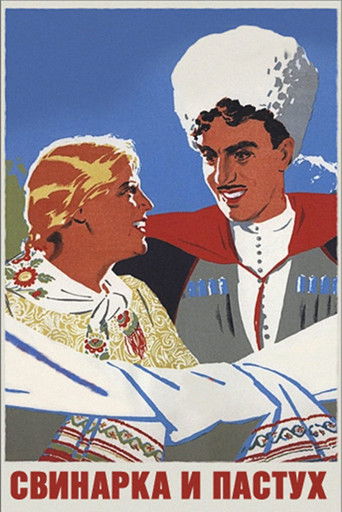
- Swineherd and Shepherd (1941)
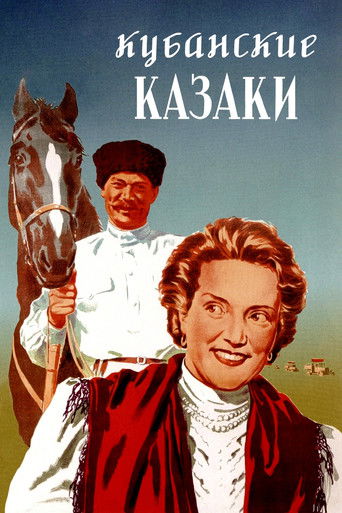
- Kuban Cossacks (1949)
- The Return of Vasil Bortnikov (1953)
- Later Pyryev-Ladynina collaborations
Film restoration
the picture has been preserved in the Gosfilmofond of Russia, the state film archive. Original nitrate negatives were successfully transferred to safety stock in the 1970s. A digital restoration was completed in 2015 as part of a project to preserve classic Soviet cinema. The restored version was screened at several international film festivals to critical acclaim. While some original elements show signs of age-related deterioration, the picture remains largely intact and viewable.
Where to watch
- Available on Russian streaming platform Mosfilm's official website
- Included in the Criterion Collection's Soviet Cinema box set
- Occasionally screened at film festivals specializing in classic cinema
- Available on DVD with English subtitles through specialty distributors
- Can be accessed through some university film studies programs