
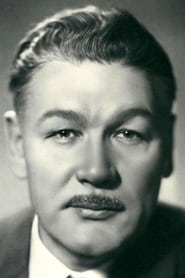
Vsevolod Sanayev
Actor
Born: February 25, 1912 in Moscow, Russian Empire Died: January 27, 1996 Active: 1938-1991 Birth Name: Vsevolod Vasilyevich Sanayev
Films
13 films
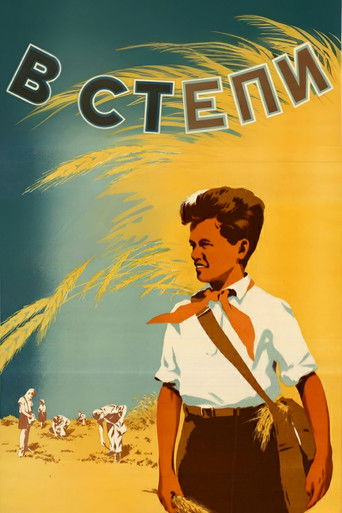
On the Steppe
1950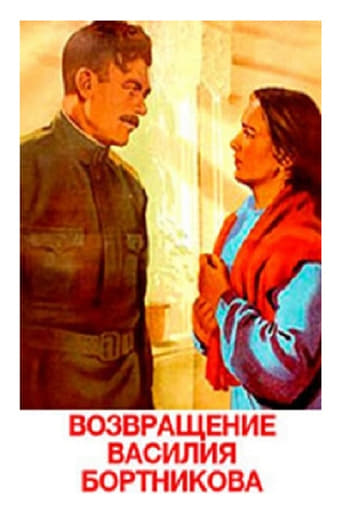
The Return of Vasili Bortnikov
1953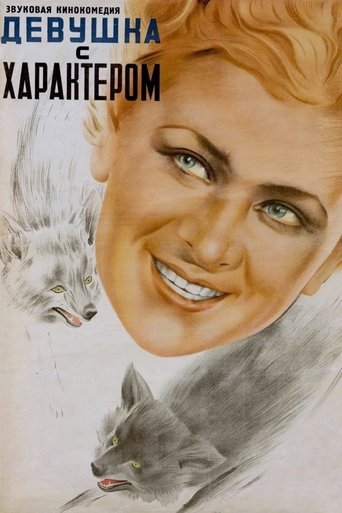
A Girl with Character
1939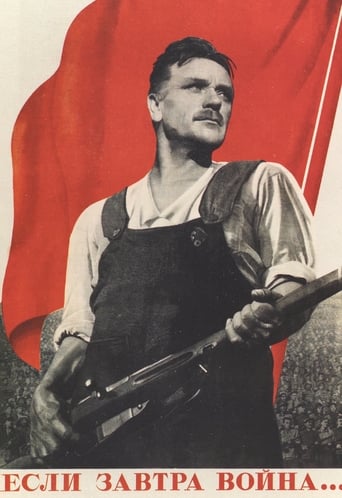
If War Comes Tomorrow
1938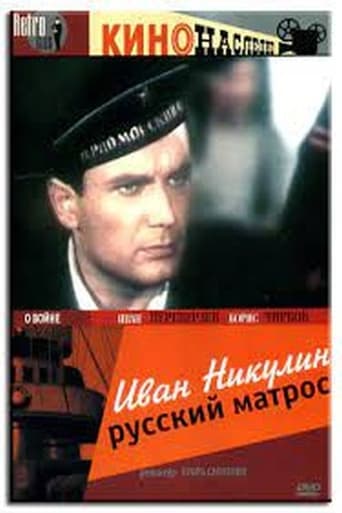
Ivan Nikulin: Russian Sailor
1944
The Beloved
1940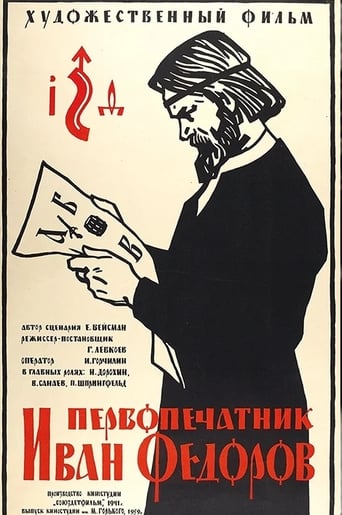
First Printer Ivan Fedorov
1941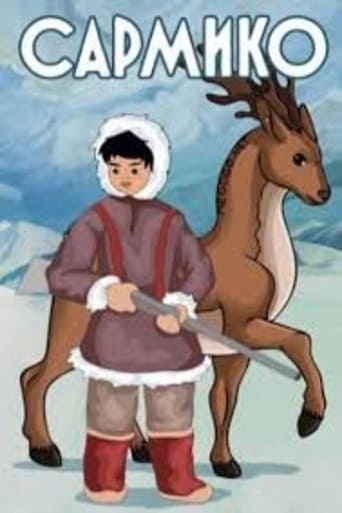
Sarmiko
1952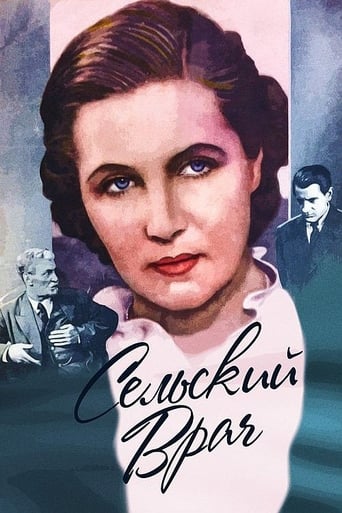
The Country Doctor
1952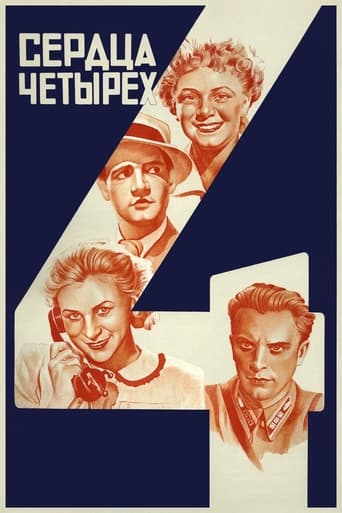
Four Hearts
1941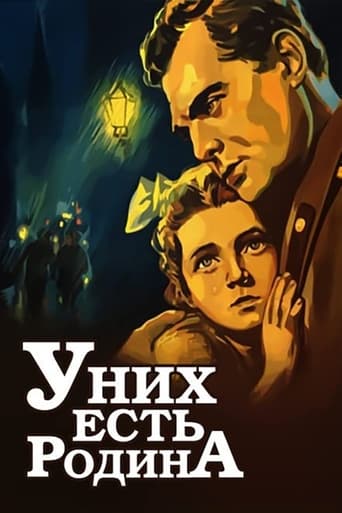
They Have a Motherland
1949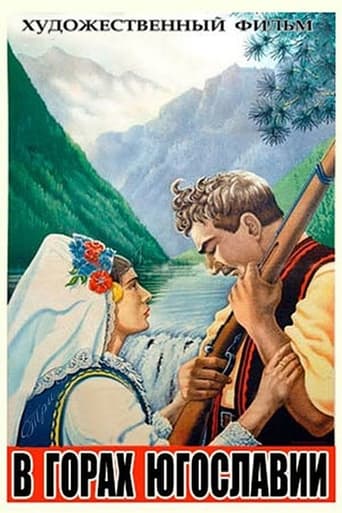
In the Mountains of Yugoslavia
1946About Vsevolod Sanayev
Vsevolod Vasilyevich Sanayev — Soviet actor active from the late 1930s through the mid-1950s, though his most significant contributions came later in his career. He began his film journey with supporting roles in notable Soviet productions such as 'Volga - Volga' (1938) and 'If War Comes Tomorrow' (1938), establishing himself as a reliable character actor during the Stalinist era. Sanayev's early work was characterized by his ability to portray ordinary Soviet citizens with authenticity and depth, often playing roles that embodied the ideals of socialist realism. His career was temporarily interrupted by World War II, after which he returned to cinema with renewed vigor, taking on more substantial roles that showcased his range as an actor. Throughout the 1940s and 1950s, he developed a reputation for playing authoritative yet compassionate figures, particularly in historical and war dramas. Sanayev's performances were marked by his distinctive voice and commanding presence, making him a recognizable figure in Soviet cinema. His later career saw him transition to more prominent leading roles, cementing his status as one of the Soviet Union's most respected character actors.
The Craft
On Screen
Sanayev was known for his naturalistic and deeply humanistic approach to acting, often portraying characters with great psychological depth and authenticity. His style combined classical theatrical training with cinematic naturalism, allowing him to excel in both dramatic and comedic roles. He had a particular talent for playing authoritative figures - military officers, scientists, and party officials - while imbuing them with human vulnerability and complexity. His performances were characterized by his resonant voice, precise diction, and ability to convey complex emotions through subtle facial expressions and gestures.
Milestones
- Film debut in 'Volga - Volga' (1938)
- Graduated from GITIS (Russian Academy of Theatre Arts) in 1937
- Became People's Artist of the USSR in 1970
- Joined Moscow Art Theatre in 1946
- Received State Prize of the USSR in 1971
- Performed in over 100 films throughout his career
Best Known For
Iconic Roles
Must-See Films
Accolades
Won
- People's Artist of the USSR (1970)
- State Prize of the USSR (1971)
- Order of Lenin
- Order of the Red Banner of Labour
- Order of the Patriotic War 2nd class
Special Recognition
- Honored Artist of the RSFSR (1954)
- People's Artist of the RSFSR (1964)
- Moscow Art Theatre member
- Honorary citizen of Moscow
Working Relationships
Worked Often With
Studios
Why They Matter
Impact on Culture
Vsevolod Sanayev played a significant role in shaping Soviet cinema's portrayal of the ideal Soviet citizen, particularly during the post-war period. His performances helped establish the archetype of the wise, authoritative yet compassionate figure that became central to Soviet film narratives. He contributed to the development of socialist realism in cinema while maintaining artistic integrity and human depth in his characters. His work at the Moscow Art Theatre helped bridge classical theatrical traditions with cinematic realism, influencing generations of Soviet actors.
Lasting Legacy
Sanayev's legacy endures through his extensive filmography and his impact on Soviet acting methodology. He is remembered as. His performances continue to be studied by actors and film scholars as examples of how to work within restrictive systems while maintaining artistic authenticity. The Moscow Art Theatre, where he spent much of his career, continues to honor his contributions to Russian theatrical and cinematic arts.
Who They Inspired
Sanayev influenced subsequent generations of Soviet and Russian actors through his work at the Moscow Art Theatre and his film performances. His naturalistic approach to acting, particularly in portraying authority figures with humanity, set a standard for character acting in Soviet cinema. Many younger actors learned from his techniques of combining ideological requirements with psychological realism, a skill essential for working within the Soviet film system.
Off Screen
Sanayev was married twice and had one son who also became an actor. He was known for his dedication to his craft and his humble demeanor despite his success. He maintained close relationships with many of his colleagues at the Moscow Art Theatre and was respected as a mentor to younger actors. His personal life was marked by the challenges of working within the Soviet system, including periods of political pressure that affected his career choices.
Education
Graduated from GITIS (Russian Academy of Theatre Arts) in 1937, studied under prominent theatre teachers of the time
Family
- Lyudmila Sanayeva (first marriage)
- Nonna Mordyukova (second marriage, 1948-1954)
Did You Know?
- Despite his early start in 1938, his most acclaimed performances came in the 1960s and 1970s
- He was originally trained as a stage actor before transitioning to film
- His second marriage to Nonna Mordyukova was one of Soviet cinema's most famous unions
- He continued acting well into his 70s, appearing in films until 1991
- He was a decorated veteran of World War II, serving in the Red Army
- His distinctive voice made him a popular choice for radio performances and voice work
- He was known for his photographic memory and ability to learn lines quickly
- He often played historical figures, particularly scientists and military leaders
- He was a member of the Communist Party, which was often required for leading roles in Soviet films
- His son followed in his footsteps, becoming a successful actor in post-Soviet Russia
In Their Own Words
Acting is not about pretending, but about finding the truth within yourself and bringing it to the character
Every role, no matter how small, deserves the same respect and preparation
The stage and screen are different worlds, but the truth of human emotion remains the same
In Soviet cinema, we had to find art within ideology - it was our greatest challenge and our greatest achievement
Frequently Asked Questions
Who was Vsevolod Sanayev?
Prominent Soviet with credits in this catalog. He was a member of the Moscow Art Theatre and appeared in over 100 films throughout his career, becoming one of the Soviet Union's most respected actors.
What films is Vsevolod Sanayev best known for?
Titles linked here include Volga - Volga (1938), First Printer Ivan Fedorov (1941).
When was Vsevolod Sanayev born and when did he die?
Born February 25, 1912; died January 27, 1996.
What awards did Vsevolod Sanayev win?
Sanayev received numerous honors including the title of People's Artist of the USSR in 1970, the State Prize of the USSR in 1971, and several orders including the Order of Lenin and the Order of the Red Banner of Labour.
What was Vsevolod Sanayev's acting style?
Sanayev's acting style was characterized by naturalism and psychological depth, combining classical theatrical training with cinematic realism. He was particularly known for his ability to portray authority figures with humanity and complexity, using his distinctive voice and subtle expressions to convey deep emotions.