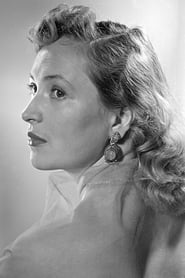

The Return of Vasili Bortnikov
"Fire in the returns"
Keys: Space play/pause · ←/→ 10s · F fullscreen · M mute · </> speed
About this film
A veteran of World War II returns to civil life and the collective farm he once led, only to find his wife has re-married. Based on the novel "The Harvest," by Galina Nikolayeva.
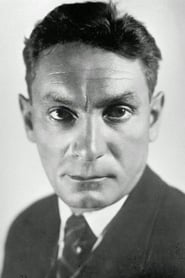
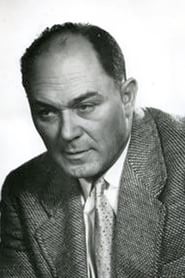
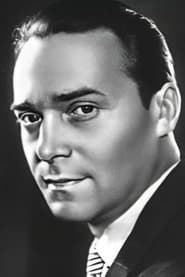
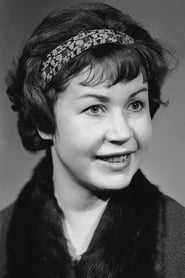
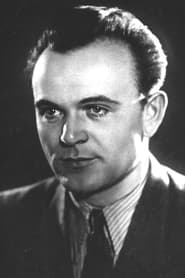
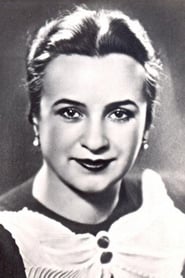
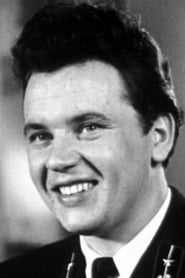
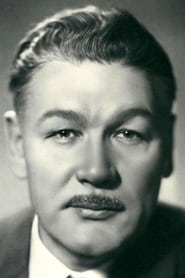
Cast & crew
More Drama films
View all →






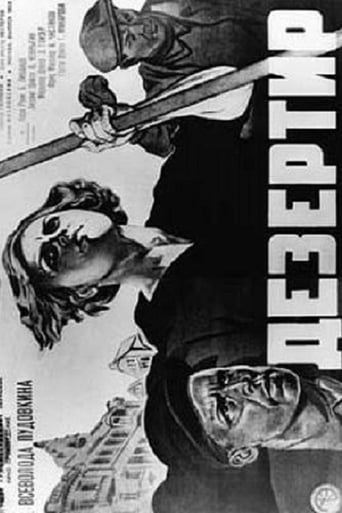
More from Vsevolod Pudovkin
View all →
More about this film
About the production
Release dateNovember 6, 1953
ProductionMosfilm Studio
Filmed inMoscow, USSR, Various rural locations in the Soviet Union
The film was shot during a period of intense cultural production in the Soviet Union, following Stalin's death in 1953. Director Vsevolod Pudovkin, one of the pioneers of Soviet montage theory, was in the later phase of his career when he made . The production faced challenges in authentically depicting post-war rural life while adhering to Soviet cinematic conventions of the era. The collective farm scenes were filmed with actual kolkhoz workers as extras to ensure authenticity. The film's production coincided with the early Thaw period in Soviet culture, allowing for more nuanced exploration of personal emotions and conflicts than in earlier Stalin-era films.
Themes
Post-war trauma and readjustmentLove and betrayalForgiveness and reconciliationCollective vs. individual identityThe cost of war on personal relationships
Themes & topics
veterancollective farmlove trianglepost-warhomecomingbetrayalharvestrural lifeemotional conflictforgivenesscommunitySoviet UnionWorld War II aftermath
Historical background
Made in its country of production around 1953, The Return of Vasili Bortnikov belongs to the 1950s. Its story of a veteran of world war ii returns to civil life and the collective farm he once led, only to find his wife has re-married spoke to audiences of the day through familiar genres and topical settings.
Why this film matters
Archivists and historians still cite The Return of Vasili Bortnikov when tracing how the 1950s filmmakers staged veteran and world on screen.
Making of
The production of 'The Return of Vasili Bortnikov' took place during a pivotal moment in Soviet history, with filming occurring as Stalin was dying in March 1953. Director Vsevolod Pudovkin, already a figure in Soviet cinema, approached this adaptation with his characteristic attention to psychological detail and visual composition. The casting process was meticulous, with Pudovkin selecting Sergei Lukyanov for the lead role due to his ability to convey both the hardened exterior of a war veteran and the vulnerability of a man facing personal betrayal. The film's production benefited from Mosfilm's extensive resources, including access to authentic collective farm locations and agricultural equipment. The director worked closely with cinematographer Grigory Levkoyev to create a visual style that balanced the documentary-like realism of the rural setting with the emotional intensity of the personal drama. The sound recording presented unique challenges, as the production team had to capture both the ambient sounds of agricultural work and the subtle nuances of the actors' performances. Pudovkin's health was declining during production, but he remained deeply committed to completing what would become one of his final artistic statements.
What critics said
Reviews from 1953 weighed The Return of Vasili Bortnikov on pacing, performance, and novelty. Later criticism reads its emphasis on veteran, world, returns through modern standards of craft and representation.
Did you know?
- The film was based on Galina Nikolayeva's novel 'The Harvest,' which won the Stalin Prize in 1951, making it an immediately prestigious literary source for adaptation.
- Director Vsevolod Pudovkin was one of the three great pioneers of Soviet montage theory, alongside Sergei Eisenstein and Dziga Vertov.
- This was one of Pudovkin's final films before his death in 1953, making it a significant work in his late career.
- The film was released shortly after Stalin's death, placing it at a crucial transitional moment in Soviet cinema.
- Sergei Lukyanov, who played Vasili Bortnikov, was among the leading respected actors in Soviet cinema, known for his roles in 'Kuban Cossacks' and 'The Great Glinka.'
- The collective farm setting was significant in Soviet cinema as it represented the ideal of socialist agriculture and community.
- The film's exploration of post-war trauma was relatively progressive for its time, addressing the psychological impact of war on returning soldiers.
- The love triangle at the center of the plot was a rare exploration of complex adult relationships in mainstream Soviet cinema of the early 1950s.
- The harvest scenes involved actual agricultural equipment and techniques of the period, making the film valuable as a historical document.
- The film's title in Russian is 'Vozvrashchenie Vasiliya Bortnikova,' and it was released internationally under various titles including 'The Return of Vassili Bortnikov.'
Awards & recognition
- All-Union Film Festival Prize (1954) - Best Director (Vsevolod Pudovkin)
- All-Union Film Festival Prize (1954) - Best Actor (Sergei Lukyanov)
- Vasilyev Brothers State Prize of the RSFSR (1955)
Visual style
The cinematography by Grigory Levkoyev employed a visual style that balanced documentary realism with dramatic expression. The film made effective use of the vast Soviet landscape, particularly in the harvest sequences, where wide shots emphasized the scale of collective farm agriculture. The visual composition often reflected the psychological state of the characters, with more intimate framing used during emotional moments and broader compositions during scenes of community activity. The black and white photography utilized strong contrasts to highlight the emotional tensions within scenes, particularly in the confrontations between the three main characters. The cinematography also paid careful attention to the authentic details of rural life and agricultural work, creating a convincing historical record of collective farm operations in the early 1950s. The camera movement was generally restrained, reflecting Pudovkin's classical approach to filmmaking, but became more dynamic during moments of emotional crisis. The lighting design effectively conveyed the changing moods throughout the film, from the hopeful brightness of harvest scenes to the shadows of personal conflict.
Innovations
While not groundbreaking in its technical innovations, the film demonstrated high technical standards characteristic of Mosfilm productions of the era. The sound recording was particularly noteworthy for its clarity and balance, especially in outdoor scenes involving agricultural machinery and large groups of people. The film's editing followed Pudovkin's classical approach to montage, with careful attention to rhythm and pacing in the construction of dramatic sequences. The production design successfully created an authentic representation of a post-war Soviet collective farm, with careful attention to period details in costumes, props, and settings. The makeup effects effectively conveyed the physical toll of war on the protagonist without being overly dramatic. The film's technical crew managed the challenges of outdoor filming in various weather conditions, maintaining consistent visual quality throughout the production. The synchronization of sound and image was precise, particularly in scenes combining dialogue with background agricultural activities.
Music
The musical score was composed by Kirill Molchanov, who created a soundtrack that balanced traditional Russian musical elements with the emotional requirements of the dramatic narrative. The music incorporated folk melodies that reflected the rural setting and collective farm environment, while also providing emotional underscoring for the personal drama. The soundtrack made effective use of leitmotifs to represent the main characters and their relationships, with musical themes evolving as the story progressed. The score was performed by a full orchestra, giving it the weight and gravitas appropriate for a serious dramatic production. The sound design also paid careful attention to the ambient noises of the agricultural setting, from the sounds of harvesting equipment to the natural sounds of the rural environment. The dialogue recording was clear and precise, ensuring that the nuanced performances of the actors were fully communicated to the audience. The music was used sparingly during key emotional moments, allowing the power of the performances and the natural sounds of the environment to carry many scenes.
Famous quotes
War changes people, but the land remains the same. It waits for us, remembers us, takes us back.
You can't return to a life that no longer exists. You can only build a new one from the pieces.
The harvest doesn't wait for anyone's heart to heal. The sun rises, the work must be done.
In the collective, we share everything - the work, the bread, and sometimes the pain.
Memorable scenes
- The emotional confrontation scene where Vasili returns to find his wife remarried, filmed with masterful restraint by Pudovkin, using long takes and minimal cuts to heighten the tension. The scene takes place in the modest collective farm house, with the three main characters arranged in a triangle of emotional conflict. The dialogue is sparse but powerful, with the actors' faces conveying the complex mix of shock, guilt, and pain.
- The harvest sequence, a visually stunning montage showing the collective farm community working together in the fields, combining documentary-like realism with poetic imagery. The scene emphasizes the cyclical nature of agricultural life and the community's resilience.
- The final scene where Vasili walks through the harvested fields at sunset, symbolizing his acceptance of change and his place in the new order of things. The cinematography uses the golden hour light to create a sense of peace and resolution.
What audiences thought
The film was well received by Soviet audiences upon its release, with many viewers relating to the story of a returning veteran's struggles to readjust to civilian life. The emotional core of the story resonated strongly with a population that had been deeply affected by World War II, with many families having experienced similar situations of loss, separation, and difficult reunions. The collective farm setting was familiar to much of the Soviet audience, and the film's portrayal of agricultural work and community life struck a chord with rural viewers. The love triangle at the center of the plot generated considerable discussion among audiences, as it touched on sensitive questions of loyalty, forgiveness, and moving forward after trauma. The film's box office performance in the Soviet Union was solid, though not spectacular, reflecting its serious dramatic tone compared to more popular comedies and musicals of the period. In subsequent years, the film has maintained a reputation among cinema enthusiasts as a significant work from an important transitional period in Soviet cultural history.
Film connections
Influenced by
- Soviet montage theory
- Socialist realism
- Post-war European cinema
- Russian literary tradition
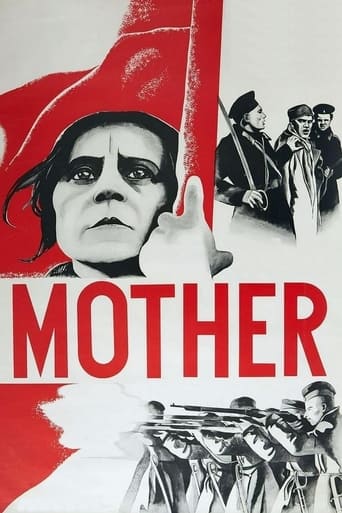
- Pudovkin's earlier works including 'Mother' and 'The End of St. Petersburg'
This film influenced
- Later Soviet films about post-war readjustment
- Films exploring veteran trauma in Soviet cinema
- Works dealing with collective farm themes in the 1950s and 1960s
Film restoration
The film has been preserved in the Gosfilmofond archive, the Russian state film archive. Original negatives and prints are maintained under proper archival conditions. The film has been digitally restored as part of Mosfilm's classic film restoration project, making it available in high quality for modern viewing. The restoration work included cleaning and repairing damaged frames, improving sound quality, and creating digital masters for preservation and distribution. The film is considered to be in good preservation condition with no significant loss of material.
Where to watch
- Available on Mosfilm's official YouTube channel with English subtitles
- Included in various Soviet cinema DVD collections
- Streaming on specialized classic film platforms
- Available for viewing at film archives and cinematheques
- Part of educational film collections at universities with Soviet cinema programs