Nonna Mordyukova
Actor
Born: November 25, 1925 in Konstantinovskaya, Rostov Oblast, Russian SFSR, Soviet Union Died: July 6, 2008 Active: 1948-1998 Birth Name: Noyabrina Viktorovna Mordyukova
Films
1 film
About Nonna Mordyukova
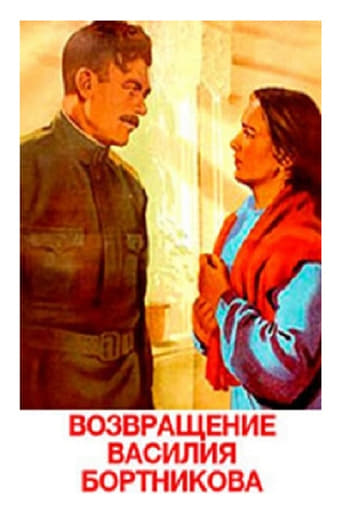
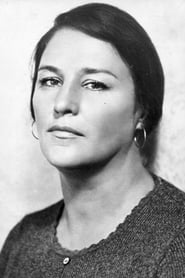
Nonna Viktorovna Mordyukova was born on November 25, 1925, in the village of Konstantinovskaya, Rostov Oblast, Russian SFSR, and rose from humble Cossack origins to become actresses in Soviet cinema. After working in a factory during World War II, she enrolled at the prestigious Gerasimov Institute of Cinematography (VGIK), graduating in 1950 under the mentorship of renowned directors Sergei Gerasimov and Tamara Makarova. Her film debut came in 1948 with 'The Young Guard,' but it was her powerful performance in 'The Return of Vasilis Bortnikov' (1953) that established her as a major star. Throughout her career spanning four decades, Mordyukova became renowned for her ability to portray strong, complex female characters with remarkable depth and authenticity, often playing mothers, workers, and peasants with extraordinary emotional range. She worked with Soviet directors including Andrei Tarkovsky, Nikita Mikhalkov, and Eldar Ryazanov, delivering unforgettable performances in films that became classics of Russian cinema. Her distinctive style combined raw emotional power with subtle humor, making her equally effective in dramatic roles and comedies. Mordyukova continued acting into the 1990s, receiving numerous state honors and becoming a cultural icon whose work transcended the boundaries of Soviet cinema to achieve international recognition.
The Craft
On Screen
Mordyukova was known for her powerful, naturalistic acting style characterized by raw emotional intensity and remarkable authenticity. She possessed the rare ability to transform completely into her characters, whether playing strong-willed peasant women, compassionate mothers, or complex urban figures. Her performances were marked by a distinctive earthy quality, combining dramatic depth with subtle comedic timing. She excelled at portraying the inner lives of ordinary Soviet women with extraordinary depth, often using minimal gestures but maximum emotional impact. Her voice and physical presence became instantly recognizable trademarks, allowing her to dominate the screen even in ensemble pieces.
Milestones
- Film debut in 'The Young Guard' (1948)
- Breakthrough role in 'The Return of Vasilis Bortnikov' (1953)
- Received People's Artist of the USSR honor (1969)
- Starred in Tarkovsky's 'Andrei Rublev' (1966)
- Awarded at Venice Film Festival for 'The Chairman' (1964)
- Received Order of Lenin (1985)
- Career retrospective at Moscow International Film Festival (1995)
Best Known For
Iconic Roles
Must-See Films
Accolades
Won
- People's Artist of the RSFSR (1965)
- People's Artist of the USSR (1969)
- Order of Lenin (1985)
- Order of the Red Banner of Labour (1975)
- Order 'For Merit to the Fatherland' III class (1995)
- Order 'For Merit to the Fatherland' IV class (2000)
- State Prize of the RSFSR (1973)
- Vasilyev Brothers State Prize of the RSFSR (1975)
Nominated
- Venice Film Festival Volpi Cup for Best Actress (1964) - 'The Chairman'
- Nika Award for Best Actress (1988) - 'A Man from the Boulevard des Capucines'
Special Recognition
- Star on the Avenue of Stars in Moscow
- Honored Citizen of Rostov Oblast
- Lifetime Achievement Award from Russian Film Academy
- Moscow International Film Festival Tribute (1995)
- Russian State Award for Contribution to Cinema (2002)
Working Relationships
Worked Often With
Studios
Why They Matter
Impact on Culture
Nonna Mordyukova revolutionized the portrayal of women in Soviet cinema, breaking away from idealized stereotypes to present authentic, complex female characters. Her performances captured the essence of Soviet womanhood during a period of tremendous social and political change, resonating deeply with audiences across the USSR and beyond. She became a cultural symbol of strength and resilience, particularly for rural and working-class women who saw themselves reflected in her characters. Her work helped elevate Soviet cinema internationally, contributing to its recognition during the Cold War era. Mordyukova's ability to bridge the gap between high art and popular entertainment made her.
Lasting Legacy
Nonna Mordyukova's legacy endures as one of the greatest actresses in Russian cinema history, known for her extraordinary range and emotional depth. Her films continue to be studied in film schools and screened at retrospectives worldwide, influencing new generations of actors and directors. She helped establish a tradition of realistic, psychologically complex acting in Soviet cinema that contrasted with earlier more theatrical styles. Her portrayal of strong, independent women paved the way for more nuanced female characters in Russian film. The Nonna Mordyukova Acting Prize was established in her honor, awarded to promising young actresses in Russian cinema. Her home village of Konstantinovskaya has established a museum dedicated to her life and work, preserving her memory for future generations.
Who They Inspired
Mordyukova influenced generations of Russian and international actors with her naturalistic approach and emotional authenticity. Her technique of combining raw power with subtle nuance became a model for dramatic acting in Soviet cinema. Directors such as Nikita Mikhalkov and Alexander Zeldovich have cited her work as inspiration for their character development. Her ability to transcend political and cultural barriers made her a bridge between Soviet cinema and international audiences, influencing how Russian actors were perceived globally. Contemporary actresses including Svetlana Khodchenkova and Elena Lyadova have acknowledged her impact on their approach to character development and emotional expression.
Off Screen
Nonna Mordyukova married fellow actor Vyacheslav Tikhonov in 1948, whom she met while studying at VGIK. Their marriage lasted until 1963 and produced one son, Vladimir Tikhonov, who also became an actor. After her divorce, she married director Alexander Serebryakov, but this marriage also ended in divorce. Despite her immense professional success, Mordyukova often spoke of the personal sacrifices she made for her career and the challenges of balancing motherhood with her demanding film schedule. She remained deeply connected to her Cossack roots throughout her life, often returning to her native village. In her later years, she struggled with health problems but continued to accept select film roles until her death from heart failure in 2008.
Education
Gerasimov Institute of Cinematography (VGIK), graduated 1950, studied under Sergei Gerasimov and Tamara Makarova
Family
- Vyacheslav Tikhonov (1948-1963)
- Alexander Serebryakov (1965-1970)
Did You Know?
- She was born Noyabrina but changed her name to Nonna for her acting career
- Worked as a telephone operator before entering acting school
- Her son Vladimir died of a heart attack at age 40, just two years before her death
- Spoke with a distinctive Cossack accent throughout her career
- Was one of the few Soviet actresses allowed to work with Western directors during the Cold War
- Turned down several Hollywood offers to remain in the Soviet Union
- Her performance in 'The Chairman' was studied by acting students worldwide
- Maintained a simple lifestyle despite her fame and fortune
- Was a close friend of Soviet leader Leonid Brezhnev's wife, Victoria Brezhneva
- Her final film appearance was in 'The Romanovs: A Crowned Family' (2000)
In Their Own Words
I don't play roles, I live them
The camera doesn't lie, and neither does the audience
Every woman I've played has a piece of my soul
Acting is not about pretending, it's about revealing truth
Cinema is the mirror of our times, and I'm proud to have been part of that reflection
Frequently Asked Questions
Who was Nonna Mordyukova?
Nonna Mordyukova was. She was renowned for her ability to portray strong, authentic female characters and became a cultural icon in Soviet cinema.
What films is Nonna Mordyukova best known for?
Titles linked here include The Young Guard (1948), The Return of Vasilis Bortnikov (1953).
When was Nonna Mordyukova born and when did she die?
Born November 25, 1925; died July 6, 2008.
What awards did Nonna Mordyukova win?
She received numerous honors including the title People's Artist of the USSR (1969), the Order of Lenin (1985), the State Prize of the RSFSR (1973), and the Vasilyev Brothers State Prize. She also received international recognition at the Venice Film Festival for her performance in 'The Chairman'.
What was Nonna Mordyukova's acting style?
Mordyukova was known for her naturalistic, emotionally intense acting style characterized by remarkable authenticity and raw power. She excelled at portraying complex female characters with extraordinary depth, combining dramatic intensity with subtle humor and a distinctive earthy quality that made her performances unforgettable.