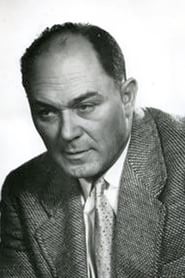
Sergei Lukyanov
Actor
Born: January 19, 1910 in Rostov-on-Don, Russian Empire Died: March 12, 1965 Active: 1937-1965 Birth Name: Sergei Vladimirovich Lukyanov
Films
4 films
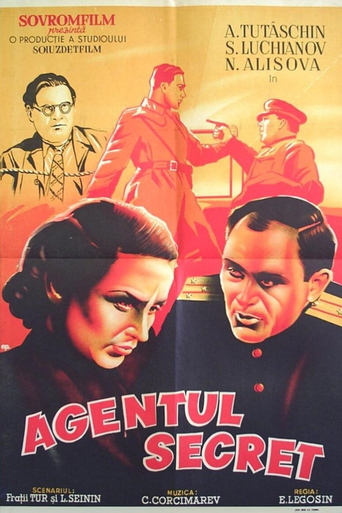
About Sergei Lukyanov
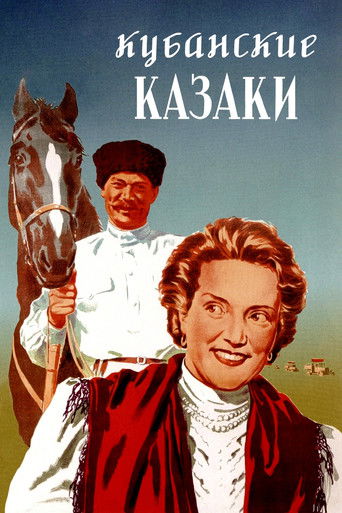
Soviet actor renowned for his powerful screen presence and deep, resonant voice that made him ideal for portraying strong, authoritative characters. Born in 1910 in the Russian Empire, he rose to prominence during the Stalinist era of Soviet cinema, becoming recognizable character actors of his generation. Lukyanov's breakthrough came in the 1940s when he began collaborating with leading Soviet directors, particularly Ivan Pyryev, who recognized his talent for playing complex male protagonists. His most celebrated performance was as the Cossack leader Gordey Voron in 'Cossacks of the Kuban' (1950), which became popular Soviet films of its time. Throughout his career, Lukyanov specialized in playing military officers, collective farm leaders, and other archetypal Soviet heroes, bringing depth and humanity to what could have been one-dimensional roles. Despite the constraints of Soviet socialist realism, he managed to infuse his characters with psychological complexity and emotional authenticity. His career was tragically cut short when he died in 1965 at the age of 55, leaving behind a legacy of memorable performances that continue to be studied and admired in Russian cinema history.
The Craft
On Screen
Lukyanov was known for his commanding physical presence and deep, resonant voice that conveyed authority and strength. His acting style was rooted in the Stanislavski system, emphasizing psychological realism and emotional authenticity even within the constraints of socialist realism. He had a remarkable ability to portray complex characters who were both ideologically correct and humanly relatable, often bringing subtle nuances to roles that could have been one-dimensional. Lukyanov's performances were characterized by his intense gaze, deliberate movements, and a voice that could range from commanding to tender, allowing him to play both stern authority figures and compassionate leaders with equal conviction.
Milestones
- Breakthrough role in 'The Great Citizen' (1938-1939)
- Starring role in 'Cossacks of the Kuban' (1950) - one of Soviet cinema's biggest hits
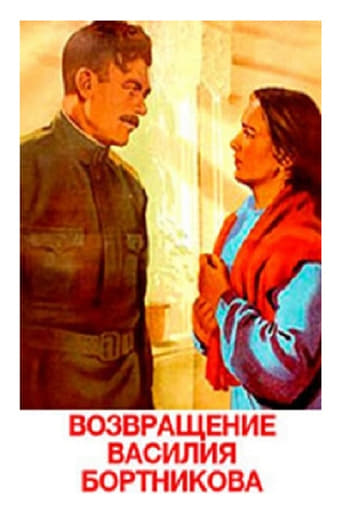
- Performance in 'The Return of Vasili Bortnikov' (1953)
- Awarded the title of People's Artist of the RSFSR in 1952
- Received Stalin Prize for his contributions to Soviet cinema
Best Known For
Iconic Roles
Must-See Films
Accolades
Won
- Stalin Prize (1951) - for his role in 'Cossacks of the Kuban'
- People's Artist of the RSFSR (1952)
- Order of the Red Banner of Labour (1950)
- Medal 'For Valiant Labour in the Great Patriotic War 1941-1945'
Nominated
- Nomination for Lenin Prize (posthumously considered for contributions to Soviet cinema)
Special Recognition
- People's Artist of the RSFSR (highest artistic title in Soviet Russia)
- Named among the most influential Soviet actors of the 1940s-1950s
- Cultural institutions in Rostov-on-Don named in his honor
- Annual film festival award established in his memory
Working Relationships
Worked Often With
Studios
Why They Matter
Impact on Culture
Sergei Lukyanov had a profound impact on Soviet cinema, particularly in defining the archetype of the ideal Soviet male protagonist during the Stalin and post-Stalin eras. His performances in films like 'Cossacks of the Kuban' helped establish the visual and behavioral standards for Soviet heroes on screen, influencing how masculinity, leadership, and patriotism were portrayed in cinema for decades. Lukyanov's ability to humanize ideologically-driven characters made these figures more relatable to Soviet audiences, contributing to the massive popularity of films in which he appeared. His work also demonstrated how actors could navigate the constraints of socialist realism while still delivering nuanced, psychologically complex performances. Beyond his screen presence, Lukyanov contributed to the prestige of the Soviet film industry both domestically and internationally, with his films being exported to other socialist countries and even selected for international film festivals.
Lasting Legacy
Sergei Lukyanov's legacy endures through his iconic performances that continue to be studied in Russian film schools and appreciated by classic cinema enthusiasts. He is remembered as one of the definitive character actors of Soviet cinema's golden age, whose portrayals of strong, principled men helped shape the visual language of Soviet filmmaking. His films, particularly 'Cossacks of the Kuban,' remain cultural touchstones in Russia and other former Soviet republics, frequently broadcast on television and referenced in popular culture. Lukyanov's influence can be seen in subsequent generations of Russian actors who specialize in playing authoritative figures, with many citing his work as inspiration. The annual Sergei Lukyanov Film Festival, established in his hometown of Rostov-on-Don, continues to celebrate his contributions to cinema and support emerging actors. His life and career have been the subject of several documentaries and scholarly articles examining the role of actors in Soviet cultural production.
Who They Inspired
Lukyanov influenced subsequent generations of Soviet and Russian actors through his distinctive approach to playing authority figures with psychological depth rather than mere caricature. His method of combining physical presence with emotional nuance became a model for actors portraying military leaders, party officials, and collective farm directors in Soviet cinema. Directors working in the socialist realist tradition often sought actors who could replicate Lukyanov's ability to make ideologically-approved characters feel human and relatable. His influence extended beyond acting to include contributions to Soviet theatre pedagogy, as his techniques for voice control and physical presence were incorporated into acting curricula. International filmmakers from socialist countries who studied Soviet cinema also drew inspiration from his performances, particularly in how he balanced political messaging with artistic expression.
Off Screen
Sergei Lukyanov led a relatively private life away from the spotlight, focusing primarily on his craft. He was married twice, with his first marriage ending in divorce. His second marriage to actress Nonna Mordyukova, though brief, was highly publicized in Soviet media. Lukyanov was known among colleagues as a dedicated professional who took his craft seriously and often mentored younger actors. He maintained close friendships with several prominent Soviet filmmakers and actors, including director Ivan Pyryev. Despite his fame, he remained humble and grounded, often returning to his hometown of Rostov-on-Don between film projects. His later years were marked by health problems, but he continued working until shortly before his death.
Education
Graduated from the Russian State Institute of Performing Arts (formerly Leningrad Theatre Institute) in 1937, where he studied under prominent Soviet theatre teachers and developed his foundation in the Stanislavski method.
Family
- First wife (name not publicly documented) (1930s-1940s)
- Nonna Mordyukova (1955-1956)
Did You Know?
- His deep, resonant voice was so distinctive that it was often used for dubbing foreign films into Russian
- Despite playing many military roles, Lukyanov never served in the Soviet military due to a childhood injury
- He was originally trained as a singer before transitioning to acting
- His performance in 'Cossacks of the Kuban' was so popular that it became one of the highest-grossing Soviet films of all time
- Lukyanov was known for his method approach, often spending months researching the historical figures he portrayed
- He maintained a friendship with composer Dmitri Shostakovich, who wrote music for several of his films
- His brief marriage to Nonna Mordyukova was highly publicized in Soviet media as a union of two major film stars
- Lukyanov was one of the few actors allowed to work with both conservative and more liberal Soviet directors
- He was known for his photographic memory, often learning entire scripts in a single reading
- After his death, several of his unfinished films were completed using doubles and voice doubles
In Their Own Words
An actor must not just play a role, he must become the person, even if that person never existed outside the script.
In our cinema, every character serves a purpose beyond the story - we are building a new world, frame by frame.
The voice is the soul's instrument; when it resonates with truth, the audience cannot help but listen.
Playing heroes is easy; playing human beings is the real challenge of our art.
Cinema is not entertainment in our country; it is education, inspiration, and the mirror of our socialist reality.
Frequently Asked Questions
Who was Sergei Lukyanov?
Prominent Soviet with credits in this catalog. His deep voice and commanding presence made him.
What films is Sergei Lukyanov best known for?
Titles linked here include Cossacks of the Kuban (1950), The Return of Vasili Bortnikov (1953).
When was Sergei Lukyanov born and when did he die?
Born January 19, 1910; died March 12, 1965.
What awards did Sergei Lukyanov win?
Lukyanov received the prestigious Stalin Prize in 1951 for his role in 'Cossacks of the Kuban,' was named People's Artist of the RSFSR in 1952, and was awarded the Order of the Red Banner of Labour. He also received the Medal 'For Valiant Labour in the Great Patriotic War 1941-1945'.
What was Sergei Lukyanov's acting style?
Lukyanov's acting style combined the Stanislavski system with a commanding physical presence and deep, resonant voice. He specialized in portraying complex authority figures with psychological depth, bringing humanity to roles that could have been one-dimensional within the constraints of socialist realism.
Did Sergei Lukyanov work with any famous directors?
Yes, Lukyanov frequently collaborated with renowned Soviet director Ivan Pyryev, who directed him in his most famous film 'Cossacks of the Kuban.' He also worked with other prominent directors including Aleksandr Zarkhi and at major studios like Mosfilm.
What was Sergei Lukyanov's personal life like?
Lukyanov was married twice, with a brief but highly publicized marriage to actress Nonna Mordyukova in 1955-1956. He had one son from his first marriage and was known among colleagues as a dedicated professional who often mentored younger actors despite maintaining a relatively private personal life.
How did Sergei Lukyanov influence Soviet cinema?
Lukyanov helped define the archetype of the ideal Soviet male protagonist during the Stalin and post-Stalin eras, influencing how masculinity and leadership were portrayed in Soviet films. His technique of bringing psychological depth to ideologically-driven characters became a model for subsequent generations of Soviet actors.